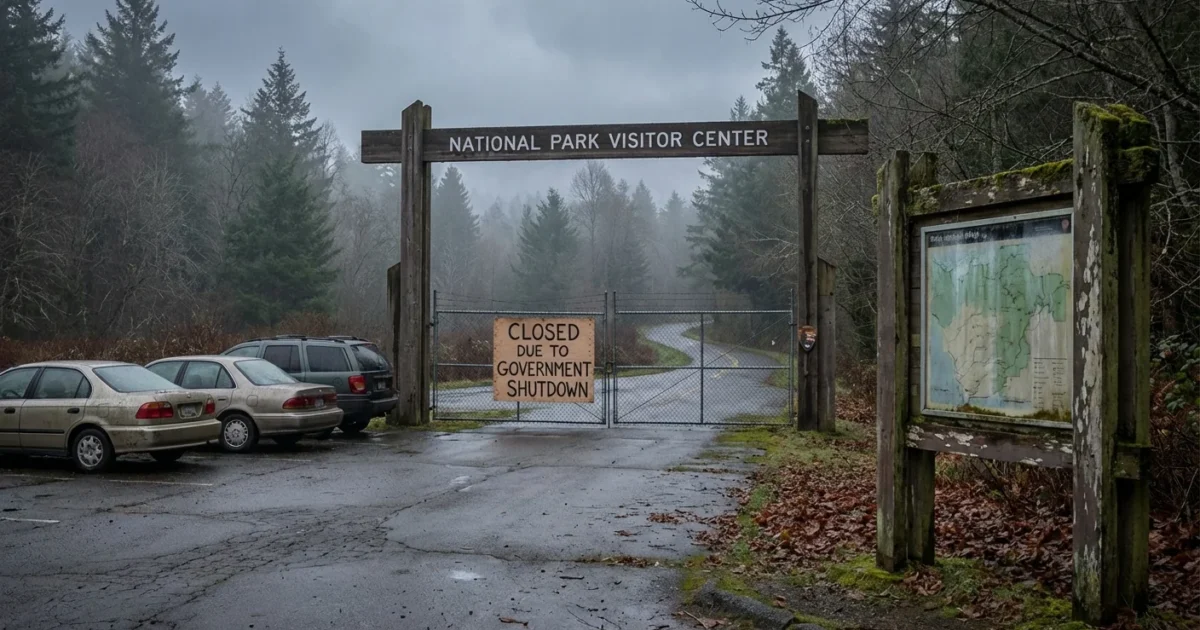
The clock is ticking. The Senate just blocked a massive funding bill, and the path to keep the government open is narrowing fast. Negotiators are huddled in rare late hour talks. The risk of a partial shutdown is now real, and the timeline is tight.
Where the talks stand
Leaders from both chambers are working on a stopgap deal. They need either a full year budget or a short term patch called a continuing resolution. Without one, funding for many federal agencies runs out within days. That triggers a shutdown under federal law.
Both sides say they want to avoid a lapse. But the Senate roadblock today created fresh hurdles. Any agreement must clear the Senate, the House, and reach the President for a signature before the deadline. Even one snag can eat up the little time left.
What shuts down, what does not
A shutdown is not a full stop. It is a legal freeze under the Antideficiency Act. Agencies cannot spend money or let most staff work if Congress has not approved funds. Each agency follows a written plan that splits work into excepted and paused.
Essential safety and security operations keep going. That includes military operations, air traffic control, TSA screening, border security, and federal law enforcement. Many of those workers stay on the job without pay until funding resumes.
Programs that have their own permanent funding continue. Social Security checks go out. Medicare and Medicaid keep paying claims. The Postal Service keeps delivering mail. Courts can draw on fee balances for a short period, then slow if cash runs thin.
Some services will pause or slow. Many civilian federal employees will be furloughed. National parks and museums often close or limit access. Passport and visa processing slows, except for emergencies. New small business and housing loans stall. Federal research and grantmaking take a hit. Federal contractors feel the impact fast.
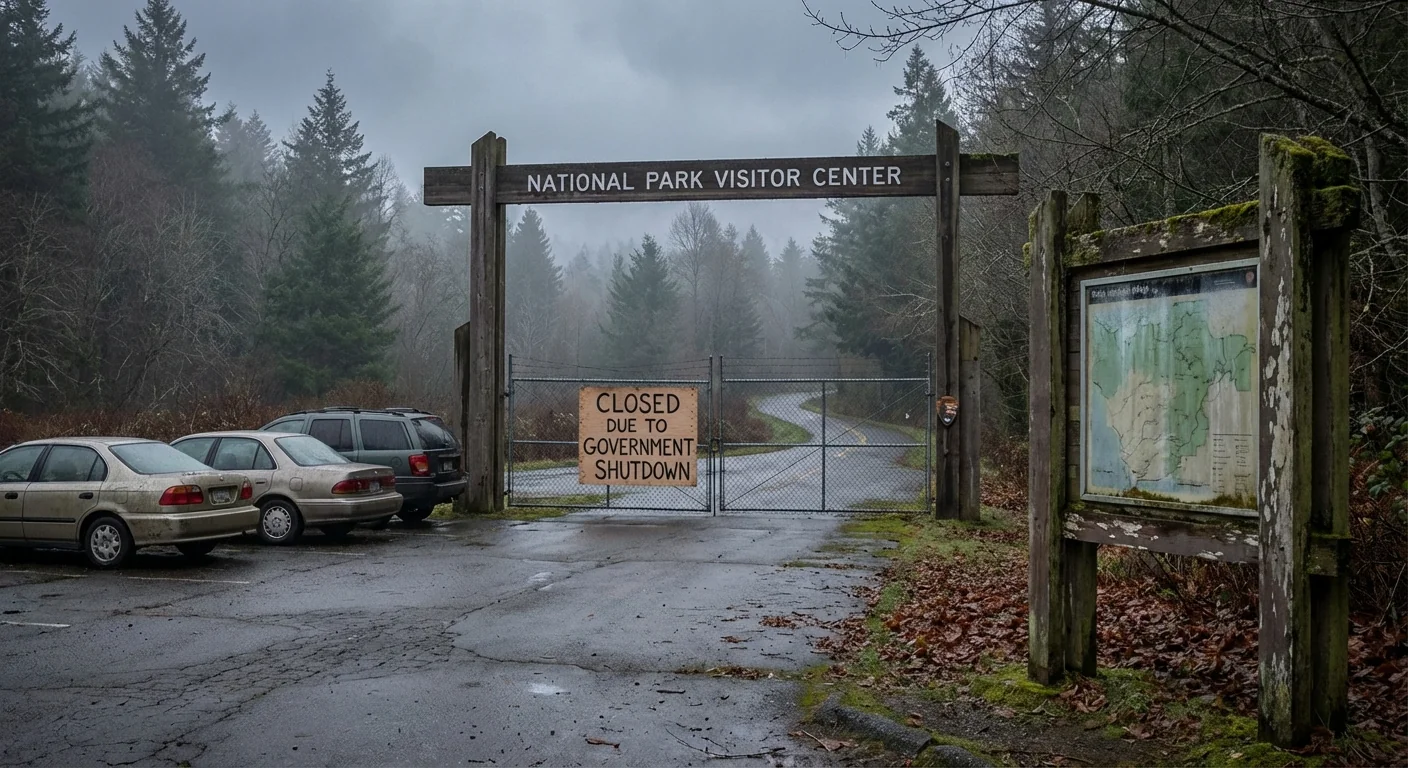
If a shutdown starts, backlogs form quickly. Even a short lapse can create weeks of delays and extra costs across agencies.
Your rights, your paycheck, your plans
If you are a federal employee, you have rights in a shutdown. Furloughed workers do not work. They cannot volunteer to work. Once funding returns, the law requires back pay for federal employees. If you are excepted and must work, you will receive delayed pay. Keep track of hours worked and required on call time.
If you are a federal contractor, the rules are different. Many contracts pause. Back pay is not guaranteed by statute. Check your contract terms and speak with your employer. Document stop work orders in writing.
For the public, your core rights remain. You can petition your government, contact your members of Congress, and seek help from casework offices. You can travel, but expect longer lines at airports if staffing is stretched. If you need a passport soon, act now or be ready for delays. Veterans can still access care. Emergency services remain available.
Find your agency’s shutdown plan on its website. Print it. Save key contacts and instructions. Plan child care and travel with extra time.
The legal mechanics and policy stakes
Shutdowns do not happen by accident. They happen when Congress does not pass spending bills or a continuing resolution before funds expire. The Constitution gives Congress the power of the purse. The Antideficiency Act enforces that power. It bars agencies from spending or obligating funds without a law that says they can.
The Office of Management and Budget issues guidance to agencies on how to wind down. Agencies notify employees, secure property, and stop non essential operations in an orderly way. That ramp down takes hours and disrupts work that touches every state.
Policy choices drive the stakes. Every day of a shutdown delays paychecks and contracting, slows scientific work, and interrupts services the public expects. The economic ripple goes beyond Washington. Tourism at closed parks dries up. Small firms that rely on federal customers wait. Families planning travel or loans are stuck. The costs add up even when the lapse is brief.
How to prepare today
You can take simple steps now while talks continue.
- Confirm your agency or program status and sign up for alerts
- Finish time sensitive applications or filings today if possible
- Build some cushion for bills if you may face delayed pay
- Print travel documents and arrive early for flights
- Call your House member and Senators to share your priorities

If you run a small business with federal contracts, review your cash flow and contingency plans. Talk to your contracting officer about stop work notices and invoicing. If you are awaiting a federal loan or grant, ask the program office if processing will pause and how to protect your place in line.
What I am watching next
- Whether leaders settle on a short patch or a broader deal
- Timing of any House and Senate votes and whether they can be sequenced in time
- Agency level guidance that clarifies who is excepted and what services stay open
The bottom line is sharp and simple. A shutdown is not certain, but the risk is real after today’s Senate block. A deal could still come together quickly. Until ink hits the page, plan for a pause, not a collapse. Then keep your receipts, watch for official updates, and hold your elected officials to the clock. ⏰