Kansas City airport moves fast to end security scare, restore travel on New Year’s Eve
Officials evacuated part of the terminal’s public area this morning, investigated a potential threat, then cleared it within hours. Flights resumed before noon, with normal operations returning through the early afternoon. This was a real‑time test of safety protocols on one of the busiest travel days of the year.
What happened this morning
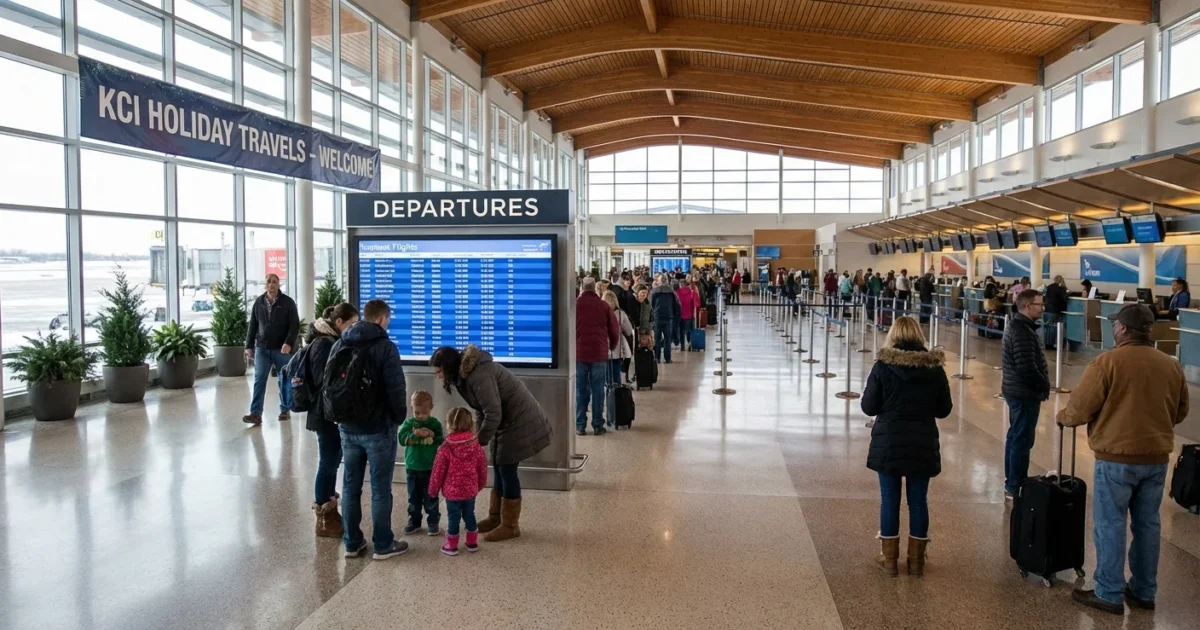
Airport police and federal partners responded to a potential threat in the unsecured area of the Kansas City International Airport terminal. The affected zone was evacuated so officers and agents could assess the risk without putting travelers in harm’s way. By 11:45 a.m., flights were allowed to land. At 12:25 p.m., the Aviation Department and the FBI issued a joint update. They reported no credible threat, and they began reopening space and moving people back inside.
Officials determined there was no credible threat. The airport is open and operating.
The response was orderly, quick, and clearly coordinated. That made the difference between a brief disruption and an all‑day shutdown. Travelers should still plan for residual delays as crews reset lines and staffing on a holiday schedule.
The legal authority behind the response
Airport safety is not guesswork. Federal law gives the Transportation Security Administration the lead on airport security. The FBI directs any criminal threat investigation. The airport’s own police and operations teams handle evacuations, perimeter control, and crowd movement. That shared authority is built into every airport’s emergency plan.
When a threat appears in an unsecured area, officials can clear space fast. They do this to separate people from risk, preserve evidence, and prevent panic. Officers may restrict movement for a short time. They may also ask questions and examine items that raise safety flags. All of this is consistent with aviation security rules that courts have upheld for decades.
If you are asked to leave an area, you must comply. If you decline a bag search outside a TSA checkpoint, officers can still secure the area and take steps needed to protect the public. Inside checkpoints, screening is a condition of travel. Refusing screening can mean you do not fly today.
Your rights, and what to do today
You still have rights. You can ask for a supervisor at TSA. You can request a private screening. You are entitled to reasonable accommodations if you have a disability. You can ask for language assistance. You are protected from discrimination based on race, religion, or national origin.
Airlines control rebooking and refunds. If your flight was canceled, airline contract rules and federal policy govern refunds. If you are delayed, airlines decide on meal or hotel vouchers. Check your airline app and email for instructions. Keep receipts if you incur costs during disruptions.
- Check your airline status before you leave home, then again at the curb
- Arrive early, plan extra time for lines and gate changes
- Keep ID and medication on your person, not in checked bags
- Follow officer instructions, do not reenter closed corridors
Today, arrive at least two hours early for domestic flights. Three hours is safer for international departures.
Civic impact and readiness
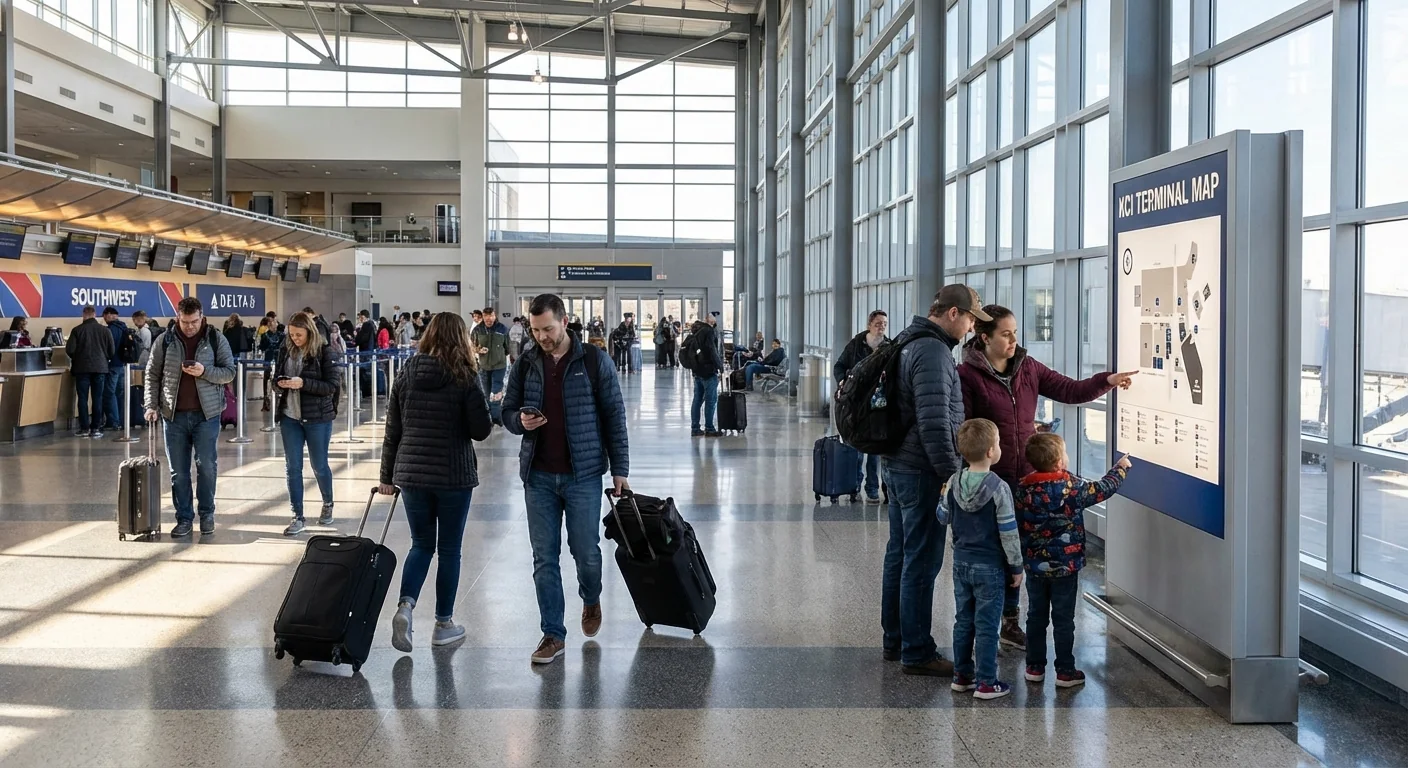
The airport’s performance today matters beyond one morning. Kansas City is preparing for a heavy 2026 calendar, with big events and added routes that will push capacity. A clean, quick response shows the region can manage a scare, keep people safe, and keep planes moving. That builds public trust, which is essential for air travel and tourism.
There will be lessons. Officials will review radio traffic, camera footage, and timing of public alerts. They will look at how well signage guided people during the partial evacuation. They will assess how accessible the process was for seniors and travelers with disabilities. These after‑action steps are standard, and they make the next response faster and smoother.
What passengers should watch for this afternoon
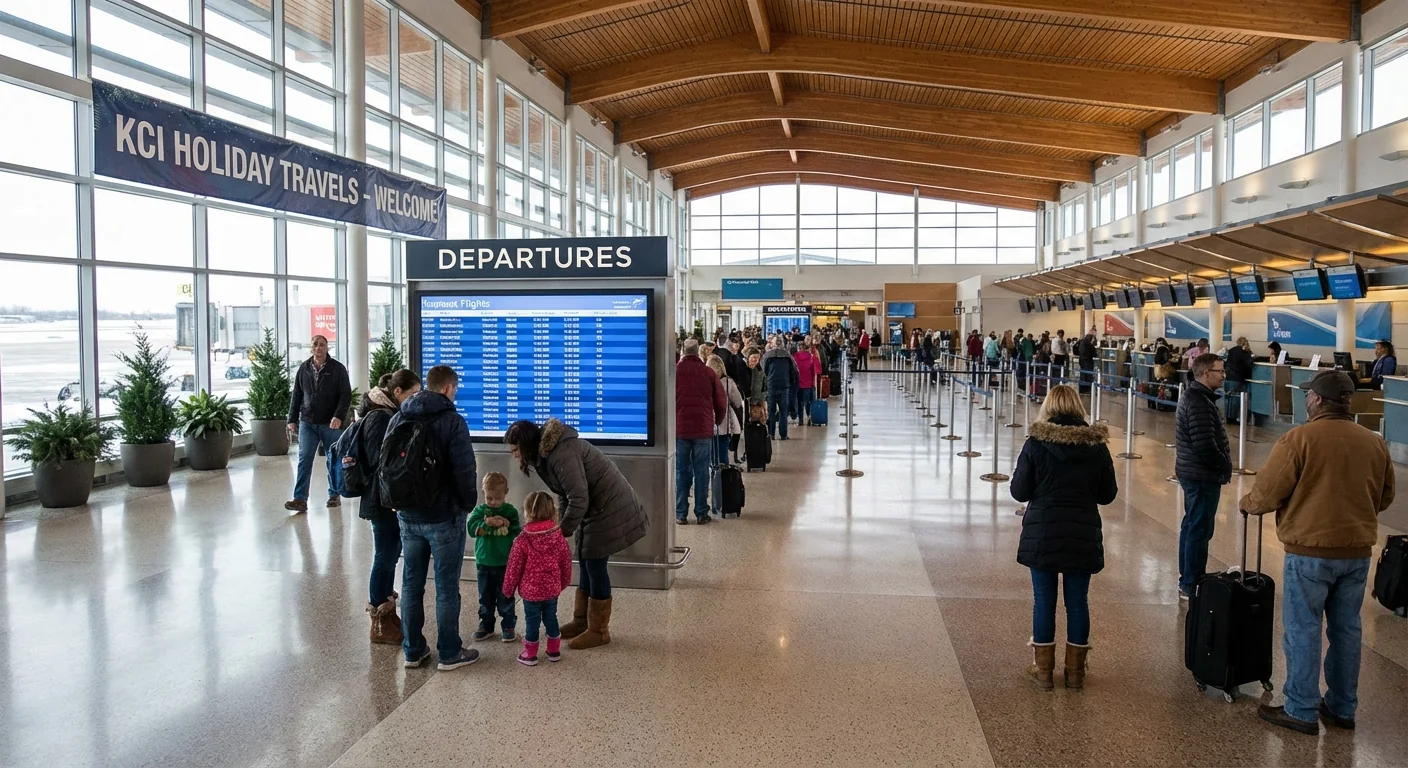
Expect some gate shuffling as operations settle. Crews may adjust security lane counts to absorb the midday wave. Baggage handling should normalize quickly, but reconnecting later flights may take time. If you missed a connection because of the alert, ask the airline to protect you on the next available flight. Document your delay.
If you witness suspicious behavior, say something to any airport worker or officer. Clear, quick reporting helps officials separate confusion from risk. It also prevents rumor from outrunning facts.
Conclusion
Kansas City International faced a security scare on New Year’s Eve, then contained it with a focused, lawful response. No credible threat was found. The airport is open, and flights are moving. Know your rights, follow instructions, and give yourself extra time. Doing so honors both safety and your trip.