BREAKING: Search Suspended After 77-Year-Old Woman Goes Overboard From Cruise Ship Near Cuba
A 77-year-old woman went overboard from a Holland America Line cruise ship off the coast of Cuba. I have confirmed that the U.S. Coast Guard has suspended the active search. That decision came after a broad, multi-agency effort at sea and in the air. Details about how she went overboard have not been released. The timeline has moved fast, and the legal stakes are high.

What Happened, and How Fast It Moved
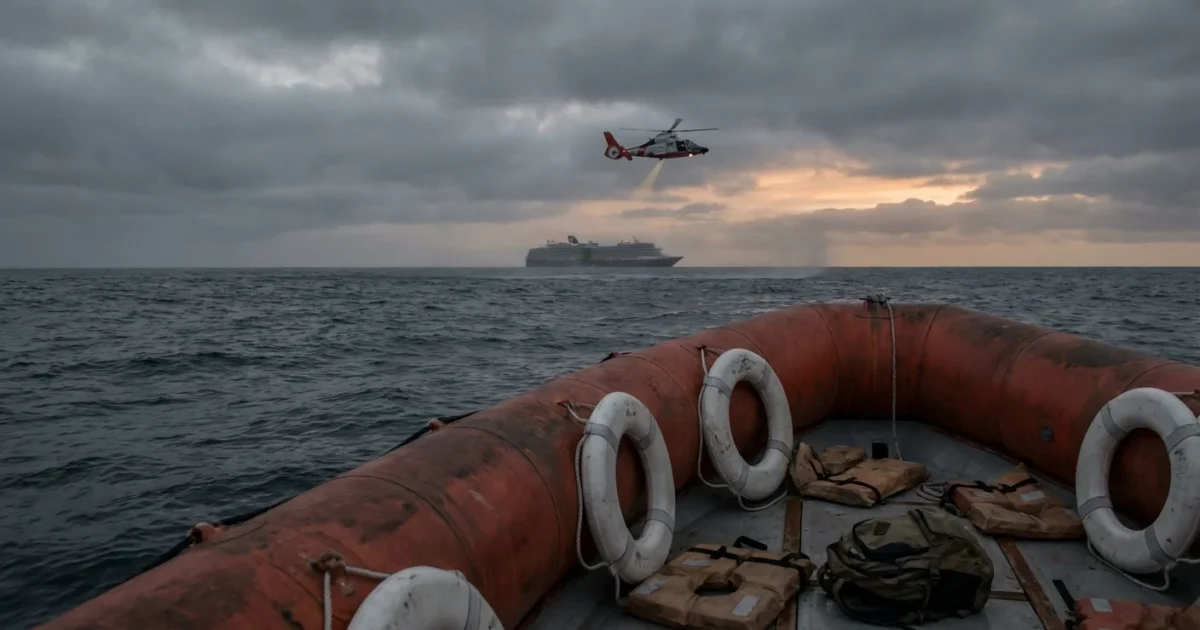
The report of a person overboard triggered an immediate response on the ship. Standard procedure requires a turn back along the ship’s track line. Crew launched lifeboats where safe. They also posted lookouts and broadcast distress messages.
Here is how cases like this run, step by step:
- The ship reports the overboard and begins its own search.
- The nearest rescue coordination center assumes control.
- Coast Guard aircraft and cutters join, if within range.
- Search patterns expand based on wind, current, and drift.
- The search suspends when survival odds drop below set thresholds.
In this case, the Coast Guard coordinated with Cuban authorities because the position was near Cuba’s search and rescue region. Multiple aircraft flew search patterns over open water. Rescue math is cold. Survival windows are short in the Caribbean when distance and drift rise. After an exhaustive effort, the Coast Guard suspended the search. That status can change if new evidence emerges.
How the Coast Guard and Cruise Lines Coordinate
When a person goes overboard, maritime law requires urgent action. The ship becomes the on-scene commander until a rescue authority directs otherwise. The captain is duty bound to assist. This duty is rooted in international law and custom, not just company policy.
The U.S. Coast Guard uses rescue planning tools in line with international standards. They factor sea state, temperature, and drift. They also rely on witness accounts, radar, and any video from the ship. Because this incident occurred near Cuba, coordination depended on cross-border communication. The United States and Cuba do cooperate on maritime safety. That includes search and rescue calls routed through regional centers.
Cruise lines are expected to preserve evidence. That includes bridge logs, crew statements, and camera footage. They must report overboard events involving U.S. persons or U.S. port calls to U.S. authorities as required by law.
[IMAGE_2]
Safety Tech, Detection, and What the Law Requires
Modern overboard detection remains a live policy fight. The Cruise Vessel Security and Safety Act expects large passenger ships to install technology that can help detect when a person goes overboard, if such technology is available. Some ships use thermal cameras and analytics. Others still rely on human watch and manual alarms. False alerts and open decks make detection hard, but not impossible.
The same law sets minimum rail heights and other basic safety features. It also requires recordkeeping and incident reporting. The National Transportation Safety Board has urged wider use of person overboard systems. Advocates argue detection should be mandatory with clear deadlines. Industry points to technical limits and high false alarm rates. Congress has considered stronger rules before, and this case will likely renew those calls.
Key point: Detection within minutes can be the difference between rescue and recovery. Time is the enemy at sea.
What Families and Passengers Need to Know
The legal path after an overboard at sea is specific and strict. The Death on the High Seas Act applies if a death occurs more than three nautical miles from U.S. shores. Damages under that act are usually limited to financial losses. That means no recovery for pain and suffering in many maritime cases that are not aviation.
Passenger ticket contracts also matter. They often require:
- A lawsuit in a specific court, often Florida or Washington
- Written notice of a claim within six months
- Filing within one year
Cruise lines must preserve relevant evidence once they are on notice. Families can request that the company hold all logs and video. The Coast Guard keeps case files for searches. Those records can be requested, with limits, through the Freedom of Information Act.
Act fast. Send a written evidence preservation letter to the cruise line. Ask the Coast Guard for the case number and records.
Deadlines are short. Missing the contract notice window or the one year filing limit can end a claim before it starts.
Policy Questions That Now Demand Answers
This case raises hard questions for policymakers. Should person overboard systems be mandatory on all large cruise ships with a firm compliance date. Should there be a central public database for overboard incidents, with consistent data on response times and outcomes. Are cross-border rescue agreements keeping pace with the growth of Caribbean cruises. And should Congress update the Death on the High Seas Act to reflect modern cruise travel.
These are not abstract debates. They decide how fast a watchstander sees an alarm. They shape how quickly aircraft launch. They define what a family can recover in court. They also determine how transparent the process is when the search ends without rescue.
The Bottom Line
A 77-year-old woman is missing at sea, and the active search is now suspended. The facts we do not have are as important as the facts we do. How quickly was the overboard detected. What safety systems were operating. What evidence exists on the ship. I will continue to press for answers from the company and federal officials. Lives, and the rules that protect them, depend on clear answers and stronger action. ⚓️