
The government just opened the vault. The Justice Department has posted roughly 3.5 million pages tied to Jeffrey Epstein. I have confirmed the release and started to sift through it. This is the first wave under a new federal transparency law, and it is big.
What just happened
Four days ago, the DOJ published a vast archive under the Epstein Files Transparency Act. It spans multiple agencies and years. The files include emails, memos, calendars, flight records, and related court materials. Many pages are redacted to protect privacy and ongoing cases. Some materials remain withheld.
This is not a simple document drop. It is a legal disclosure with rules. The Act directs agencies to publish responsive records on a public site. It also allows redactions for privacy, national security, and active law enforcement. Names appear throughout, but a name alone is not proof of wrongdoing.

What the law requires
Congress passed the Act to answer one core question. What did federal agencies know, and when did they know it. The law tells agencies to search, collect, and post records that fall within set dates and topics. It borrows from FOIA standards on exemptions. It also requires production logs and basic metadata when available.
Redactions will be common. Expect black boxes over personal data, victim identities, private contact details, and parts of active files. Where material is withheld, the law requires a short reason. That reason may be brief, but it still matters for appeals.
A name in a record is not an accusation. Context, role, and timing matter. Read the pages around it before you draw a conclusion.
How to search the Epstein files
This archive is large and uneven. Some files are clean text. Others are scanned images that need OCR. Start simple, then go deeper.
- Identify the agency folders and any production logs. These guide where to look.
- Use exact phrases in quotes for names, dates, and locations.
- Cross check a hit by reading at least five pages before and after it.
- Note Bates numbers or file paths so you can find the page again.
- Build a timeline, then sort facts into people, places, and decisions.
Use desktop search tools for bulk PDFs. For scans, run OCR before searching. Save your own index as you go. It will pay off later.
Keep a research journal. Record your queries, hits, Bates numbers, and screenshots. You will avoid duplicate work and errors.
How to read what you find
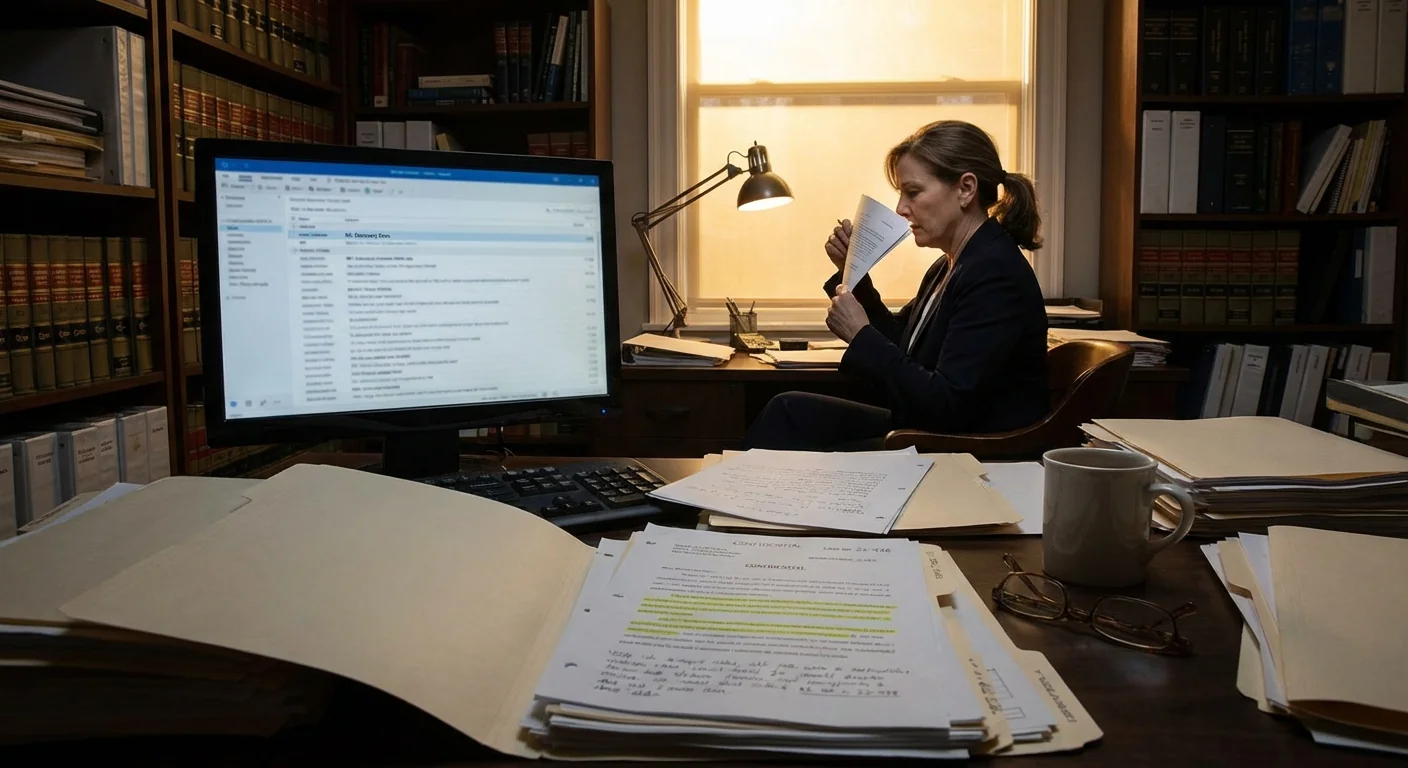
Focus on the who, what, when, and why. Look for signatures, email headers, and routing slips. Check whether a person is an author, a recipient, or a third party. Distinguish between allegation, rumor, and official finding. When you see a name, ask what role the document assigns.
What a name in the files means
Public figures do appear in the files. That alone does not settle anything. Mentions can mean many things, including logistics, scheduling, or public events.
- A calendar entry can show contact, not conduct.
- A news clipping in a file is not an agency endorsement.
- An allegation is not a finding.
- A referral shows process, not outcome.
If a document contains claims, look for the follow up. Was there an interview. Was there a referral to another office. Was a case opened or closed. These details show weight.
Do not post private data from victims or witnesses. Do not dox anyone. Federal and state laws protect this information. Violations can carry civil and criminal penalties.
Privacy, redactions, and your rights
You have a right to inspect these records. You also have a right to challenge overbroad redactions. The Act allows administrative appeals that mirror FOIA. If you believe an agency cut too much, file an appeal citing the page and reason code. Ask for a segregable release. If that fails, judicial review may be an option.
Victims have rights too. Their identities and private details must be protected. The Crime Victims’ Rights Act and the Privacy Act still apply. That is why some pages look heavy with black bars. It is by design, and courts have upheld those limits.
The files also touch on ongoing investigations. Those cases can justify withholding under law. Do not expect every question to be answered today. Some will take months, or longer, to resolve.
What comes next
This release will not be the last word. Agencies will post more batches and better indexes. My team will continue to test the archive and publish verified findings. We will highlight new material that adds facts, not noise. We will also flag errors and seek corrections where needed.
For citizens, the path is clear. Read carefully. Verify twice. Respect privacy. Use the law to press for more light when justified. The public now has access to a massive record. Handle it with care, and it can serve justice. Ignore the rules, and it can harm the very people the law is meant to protect. The work starts now, and so does the duty to be responsible. 🔎