Scooters just hit a new legal reality. I can confirm that regulators have tightened the rules, police are stepping up enforcement, and fresh research is reshaping the debate. The pivot is real, and it lands squarely on how cities govern speed, data, safety, and crime.
New rules, new obligations
As of December 2, authorities have moved to lock in stronger controls on electric scooters. The amendment sets geofencing as a core requirement. Operators must limit riding and parking in restricted zones, and cap speeds in busy areas. Officials also require routine data sharing from operators. That means trip, safety, and maintenance data will flow to regulators for oversight.
Permits will now be time limited. Cities can use renewals to enforce performance, safety, and equity targets. Call center obligations require live support, so riders and pedestrians have a real person to reach when things go wrong. The rule also tilts procurement toward domestic production. That aims to tighten quality control and keep a closer eye on batteries and parts.
Operators face a clear message. Access to streets now depends on geofencing, transparent data, and real customer support.
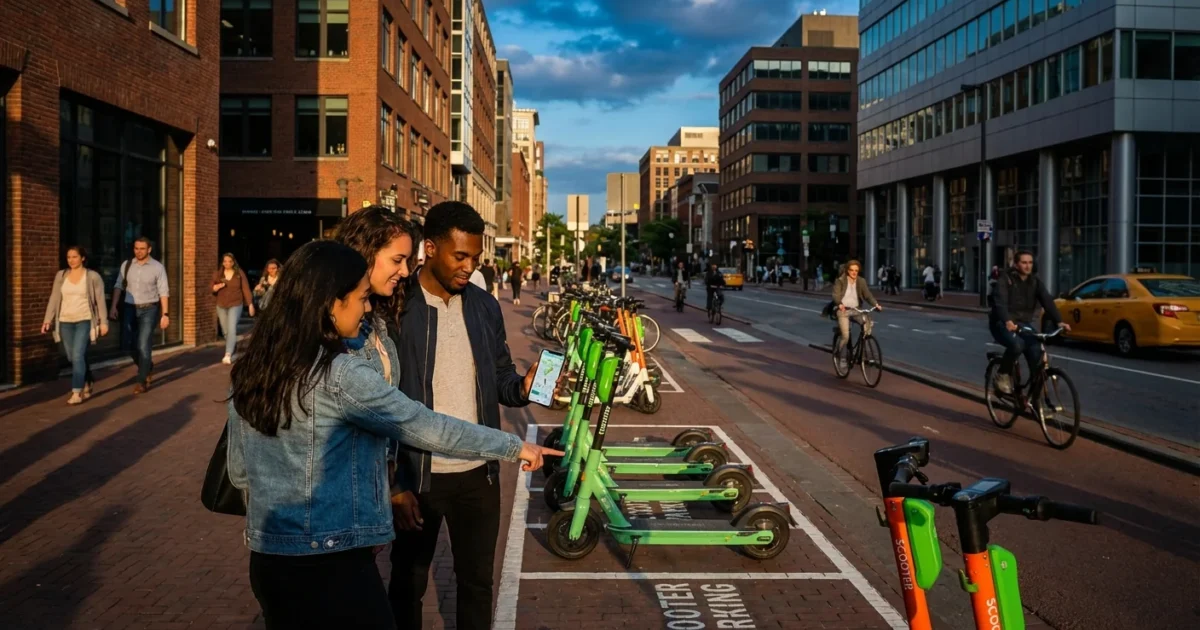
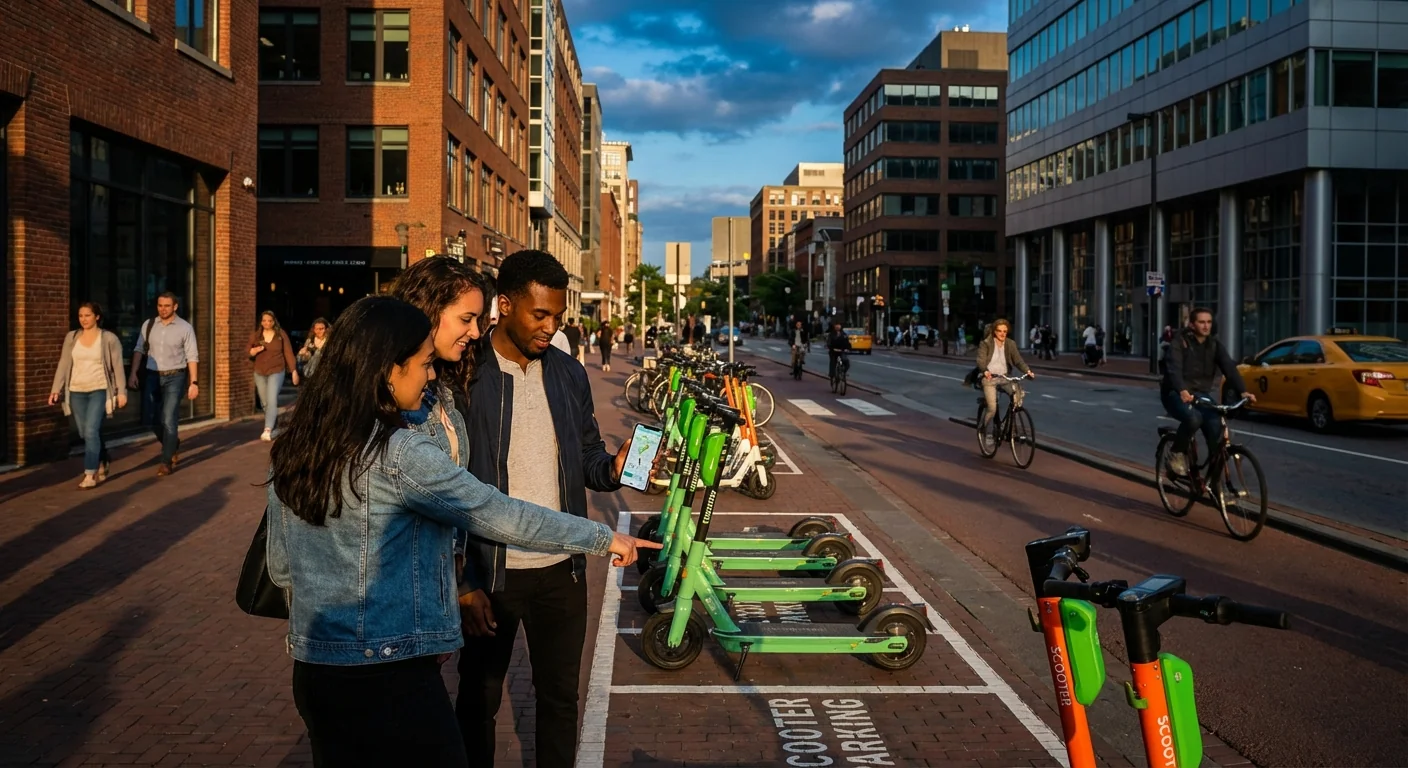
For riders, this means more slow zones, more parking corrals, and fewer late night free rides in sensitive areas. For the public, it means clearer channels for complaints and faster removal of blocked sidewalks.
Police shift from warnings to fines
Two days ago, Queensland Police ran a statewide sweep on e‑bikes and e‑scooters. Officers issued about 1,650 fines. About 1,300 were for no helmets. Police also flagged illegal power boosts and risky mods. Rules bar under‑12 riders. Ages 12 to 16 require supervision. Devices over 250 watts are not allowed on public roads and paths. Officials pointed to 37 deaths since 2018 involving these devices. The timing is deliberate, since holiday traffic and night riding are rising now.
The civic message is blunt. Safety rules will be enforced on the street, not just posted online. Riders should expect on‑the‑spot penalties for helmets, speed, lights, and illegal devices. Parents are on notice, since minors were involved in many incidents.
If your scooter is modified beyond legal power limits, do not ride it on public roads. Police are seizing unsafe devices and issuing fines.
Riders still have rights. You can ask the issuing officer which specific rule you allegedly broke. You can contest a fine within the set period. Keep your device’s specs and any compliance proof on hand.
Crime research forces a new debate
I have reviewed new findings that show a measurable link between rental scooter access and certain crimes. The analysis reports an 18 percent rise in street and vehicle crime in zones with rentals. The likely reason is simple. Scooters are quick, quiet, and easy to park. They can speed up petty thefts and serve as fast getaways.
City leaders are now weighing sharper controls in hotspots. Expect more geofenced no‑ride blocks near car lots, retail clusters, and festival areas. Expect forced parking corrals with photo verification. Expect curfews where late night crime spills over onto transport networks.
The legal tension is real. Cities want crime prevention, but riders deserve privacy. The proper answer is targeted data with strong safeguards. Aggregate trip data should guide public safety. Police should need a valid process to demand individual trip records.
What cities should do next
Here is the practical path I am seeing adopted and discussed today:
- Mandate geofencing with enforceable penalties for repeat violations.
- Require quarterly safety and operations data, audited by the city.
- Focus enforcement on helmets, lights, speed, and illegal mods near schools and nightlife.
- Pair fines with education, free helmet days, and first‑offense warnings for teens.
For industry, this is survivable and even healthy. Clear rules reward serious operators that invest in safety and maintenance. For communities, it brings order to sidewalks and calms traffic without banning useful trips.
Know your local scooter map. Slow zones, no‑ride zones, and corrals change. Check the app before you unlock.
Product safety and recalls
Battery safety remains a quiet crisis. Recent recalls in the United States, including models from known brands, cite fire risks from faulty packs. Owners were told to stop using affected models and to seek refunds or repairs. Cities can lean on the new domestic production tilt to demand certified cells, proper battery management systems, and proof of lab testing. That protects riders and apartment buildings, where most fires do the most harm.