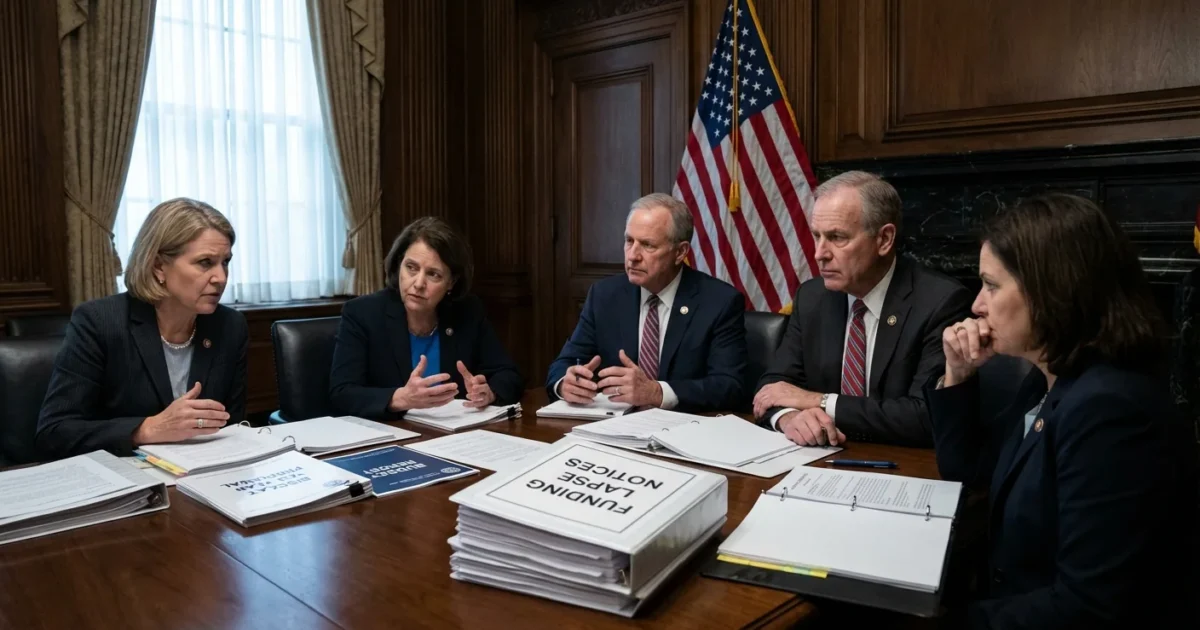
Breaking: Senate Democrats are in urgent talks with the White House to stop a shutdown that could begin within hours. I have confirmed that Majority Leader Chuck Schumer and senior aides are working line by line on a short-term deal with President Trump. Both sides have inched toward a continuing resolution, a quick patch that keeps money flowing while larger fights continue.
The breaking moment
The Senate is on the clock. Agency leaders have started preparing to halt nonessential operations. Contractors have alerted staff about possible stop work orders. Markets are watching, and federal workers are bracing for missed pay.
Schumer is pressing for a clean extension at current funding levels. The White House wants policy concessions but is signaling openness to a brief bridge if it avoids a lapse. A narrow agreement would buy time for a fuller deal next month. The final shape is not set, and any plan still needs swift votes in both chambers.
What is on the table
A continuing resolution, known as a CR, would likely keep the government open for a short period. It would hold most agencies at current levels, avoid new programs, and delay hard choices.
Here is what a short-term deal would likely include:
- A date certain when the next funding deadline hits
- Flexibility for agencies to shift funds to urgent needs
- Modest emergency money if a clear crisis is identified
- A commitment to start formal talks on full-year bills
A broader agreement is still possible, but time is thin. Senate rules allow fast action only if every senator agrees. If even one objects, hours of debate can push the deadline past the line. That is why leaders are shaping a tight, simple bill that can move today.
The legal stakes
A shutdown is not a slogan. It is the Antideficiency Act in action. When Congress does not pass funding, the law requires agencies to stop most work. Some functions continue because they protect life and property, like air traffic control, military operations, and border security. Most other tasks pause. Many federal workers are furloughed. Others must work without pay until funding returns.
Congress has passed the Government Employee Fair Treatment Act. It requires back pay for federal employees once the government reopens. Contractors are different. Many do not receive back pay under current law. That creates uneven harms across the federal workforce and local economies near bases and labs.
Courts, mail service, and Social Security keep going. That is because they draw on mandatory funds or fee balances. But support staff may be limited, and delays can pile up. Passport services could slow. National parks could close or operate with reduced access, depending on Interior’s plan for this lapse.
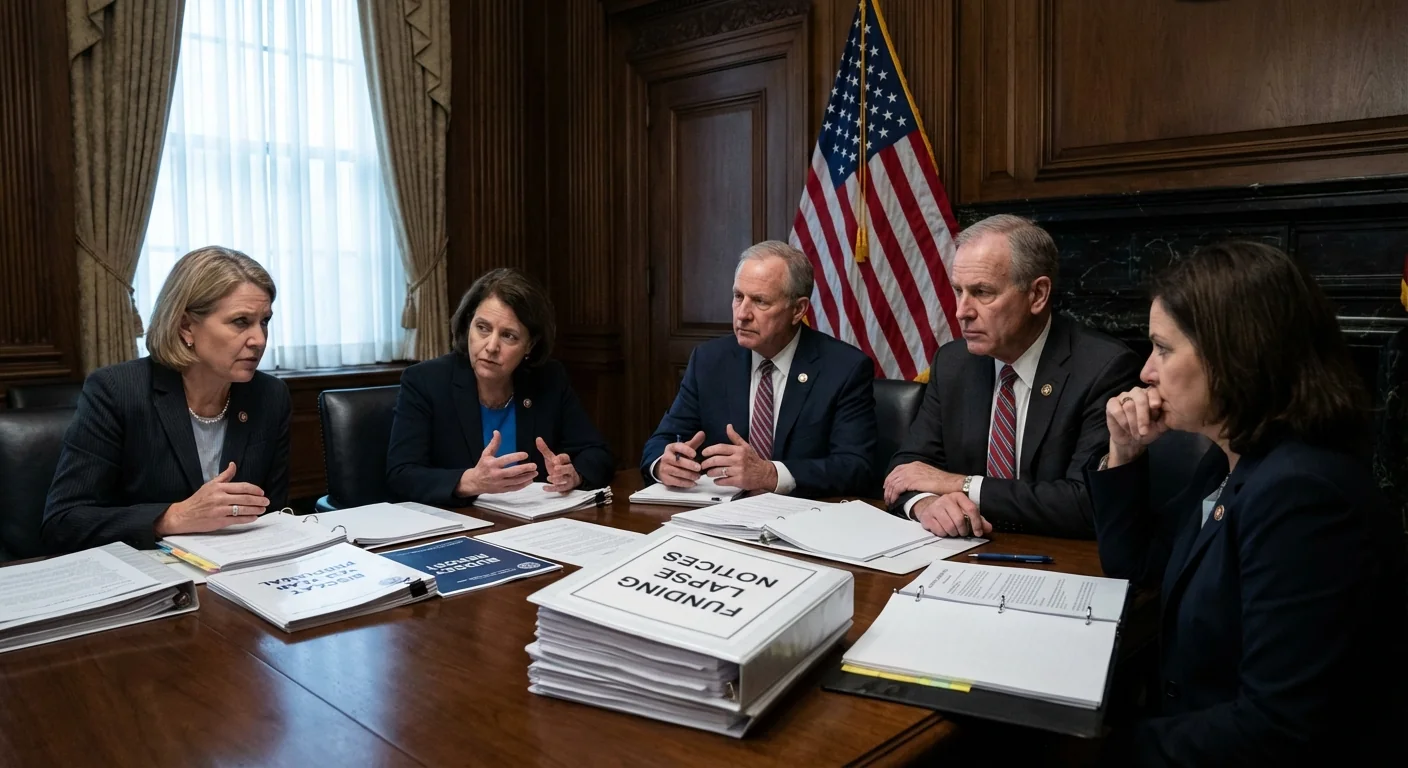
If funding lapses, agencies must issue furlough notices, halt nonessential work, and limit services. These steps are required by federal law, not optional.
[IMAGE_2]
Your rights and obligations
Federal employees have the right to back pay after the lapse ends. They also have protections against retaliation for refusing to work during a furlough. Essential employees must report, but they cannot be forced to work beyond lawful orders.
Citizens keep their constitutional rights intact. You can still access emergency services, federal courts for urgent matters, and critical health and safety programs. You may face delays, but your core rights do not pause during a shutdown.
What it means for you
If talks fail, here is what Americans would feel first. Paychecks for federal workers and many contractors would pause. Routine agency help lines would go quiet. Some benefit processing would slow. Travel could be tense, since TSA and air traffic staff would work without pay. National parks could limit entry or close.
For families, Social Security and Medicare payments continue. Veterans health care remains open. SNAP benefits depend on how long a lapse lasts, but near-term benefits are expected to continue. Tax refunds could slow if the lapse stretches into filing season.
For businesses with federal contracts, watch for stop work notices. Document costs that result from the shutdown. That paper trail can matter later in negotiations.
If you depend on a federal service, check the agency’s website today. Print documents you may need. Keep records of any missed pay or added costs.
What comes next
Schumer’s team is drafting text that can clear the Senate with agreement on timing. The House must then act quickly. If leaders lock a deal today, agencies can stand down their shutdown plans. If they miss the window, even a late deal can take a day to restart systems and recall workers.
This standoff is about more than budgets. It tests the basic duty to keep government functioning. A short-term bridge would protect paychecks, keep parks open, and give negotiators space to solve the bigger fights. The law is clear about what happens if they fail. The clock is just as clear. ⚖️