Sam Bankman-Fried’s appeal is officially underway, and the money map for FTX customers is shifting fast. I can confirm the former FTX chief, convicted in 2023 and sentenced in 2024 to 25 years and a multibillion dollar forfeiture, is pressing his case in the federal appeals court. At the same time, the FTX bankruptcy estate is moving to return funds to customers and creditors. The stakes are huge for law, policy, and the rights of victims. ⚖️
The Appeal Hits a Critical Phase
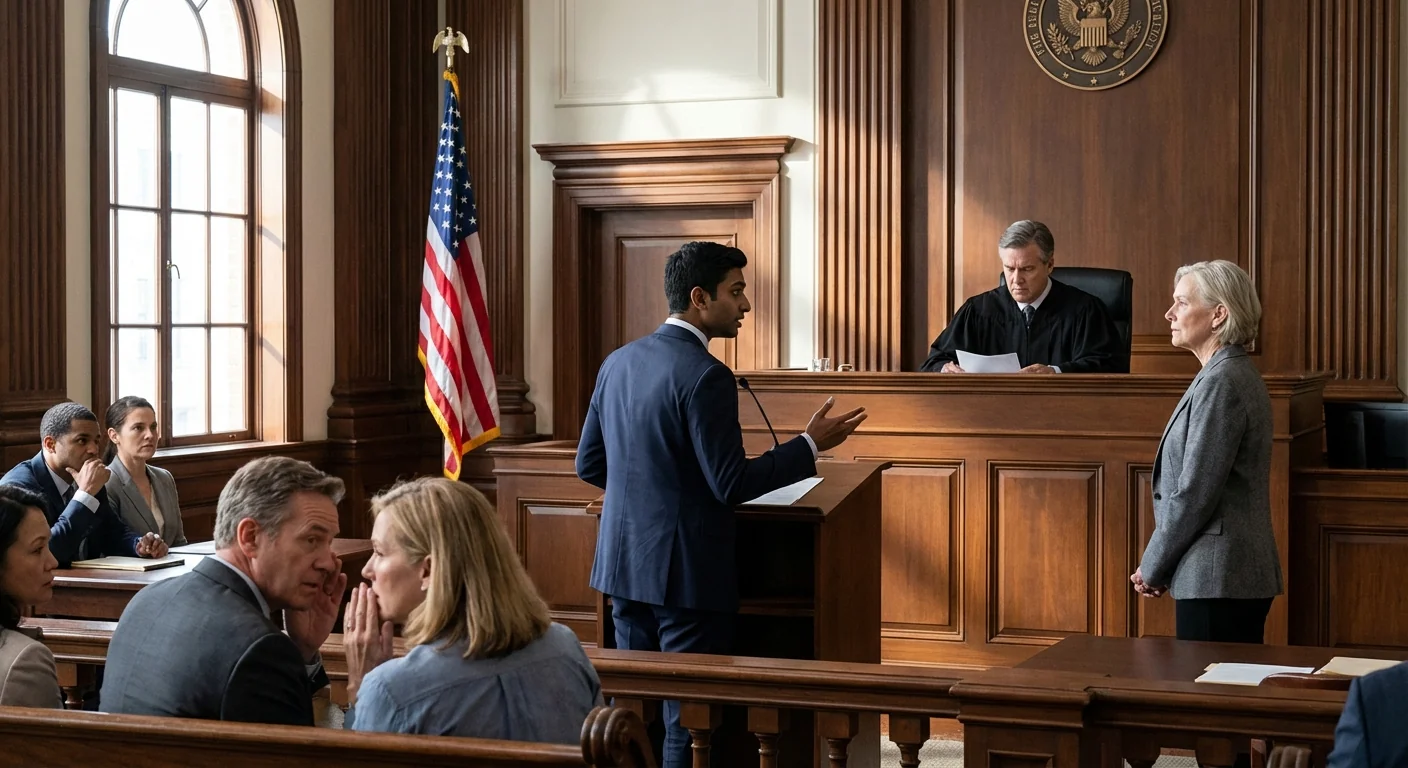
Bankman-Fried is challenging his conviction and sentence in the Second Circuit. Appeals are slow by design. They test if the trial was fair and if the law was applied correctly. The court will examine the record, including jury instructions and key rulings. The judges can affirm the result, order a new trial, or send the case back for a new sentence.
Prosecutors said he directed FTX customer funds into Alameda Research. They said the money went to risky trading, investments, and political giving. A New York jury agreed. Seven counts. Guilty on all. The judge later ordered about 11 billion dollars in forfeiture.
The appeal does not pause the bankruptcy. It does not stop the forfeiture order unless the court says so. That separation matters for victims who want their money back now.
What the appeal could change
- The conviction could be affirmed or reversed on some counts.
- The sentence could be cut or reset for a new hearing.
- A new trial could be ordered on limited issues.
- None of this automatically changes bankruptcy payouts.
The Money Back Plan, And Its Friction
The FTX estate has recovered a large pool of assets. It is moving to pay customers and creditors through the Delaware bankruptcy court. Many payouts use petition date values, meaning crypto is valued as of the filing date. Prices were far lower then. That rule fits bankruptcy law, but it hurts those who held tokens that later soared.
This is a key tension. The law favors clear cut dates and equal treatment. The market moves every minute. The court must weigh fairness against predictability. In that gap, real people feel the loss.
Forfeiture goes to the United States. Bankruptcy distributions go to customers and creditors. One does not block the other, and they follow different legal tracks.
The estate is also pursuing clawbacks where the code allows. That includes certain withdrawals, payments to insiders, and political donations tied to the fraud. Expect more settlements. Expect some fights. Every dollar pulled back broadens the pool for victims.
[IMAGE_2]
What This Means For Law And Policy
This case is now a blueprint for crypto fraud prosecutions. The message from the courtroom is clear. If you touch customer assets, you must safeguard them, segregate them, and tell the truth. The DOJ used classic tools, like wire fraud and conspiracy. It did not need new crypto statutes to win.
On the policy side, the pressure is on. Lawmakers and regulators are focused on basic custody rules. They want clear lines between customer funds and company funds. They want real audits, not marketing decks. Expect stricter compliance demands on exchanges that serve U.S. users.
Campaign finance will also feel the ripple. The case highlighted political money linked to misused funds. Watch for tighter disclosure and faster return mechanisms when donations are tainted.
Citizen Rights, Front And Center
Victims have rights under the Crime Victims’ Rights Act. They can be notified of major steps, be heard at key stages, and seek restitution where allowed. In bankruptcy, customers are creditors with claims. They get notice, the right to object to plans, and the right to vote in some phases. Those paths are separate, but they move in parallel.
If you are an FTX customer or creditor, the basics still apply.
- Rely on official court and estate communications.
- Confirm deadlines and update contact info on the claims portal.
- Be cautious about third party offers or buyouts.
- Speak to counsel if you receive a clawback demand.
Scam alerts matter here. No one legitimate will ask you to pay a fee in crypto to release a court payment. Verify every message before you click.
The Road Ahead
This saga is not just about one man. It is a stress test for our legal system in a volatile market. The appeal will probe the limits of trial fairness and sentencing in complex financial cases. The bankruptcy will test how fast and how fairly the system can make victims whole as prices swing.
Bankman-Fried’s future turns on the appellate record. Customers’ futures turn on the bankruptcy plan and real asset recovery. Both tracks are moving. Both will shape how the next generation of crypto companies treat your money. The core lesson is simple. Trust is a legal duty, not a slogan. And in court, that duty has teeth. 💼