BREAKING: Rhode Island DUI-Stop Video Triggers Legal Scrutiny, Ethics Questions, and Calls for Campaign Donation Shift
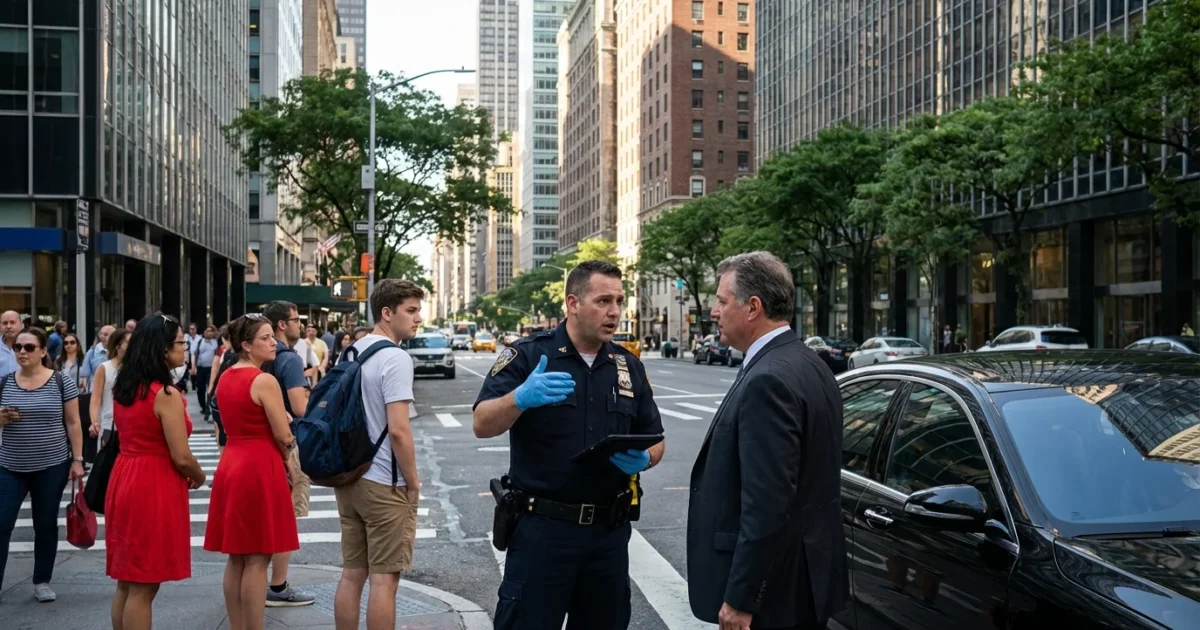
A short roadside video has kicked open a big legal and civic moment in Rhode Island. The clip captures an apparent DUI stop and a prominent Democrat asking an officer, “You know who I am?” That sentence now sits at the center of a debate over privilege, equal enforcement, and political accountability. Tonight, I can report that one widely shared claim tied to this incident is wrong. The person discussed online as East Greenwich resident Maria Bucci was not the driver in the clip. That correction matters for due process and for basic fairness.
A roadside exchange with big legal stakes
The words in that video carry weight. Officers have broad authority during suspected DUI stops. They can conduct field sobriety tests and ask for a breath test under the state’s implied consent law. Body cameras record those choices in real time. A remark that hints at status or influence does not prove a crime on its own. Yet it raises urgent questions under Rhode Island ethics rules and obstruction laws.
If an official tries to leverage office for special treatment, that can trigger a formal ethics inquiry. It can also undermine public trust in equal enforcement. The public has a right to know whether power was used or even implied to gain an advantage during a lawful stop. Police leadership, city attorneys, and the state Ethics Commission each have roles here.
Misidentification, names, and the law
False naming spreads fast and cuts deep. That happened in this case. It was not Maria Bucci behind the wheel. Correcting that error is more than a courtesy. It is a legal guardrail. Rhode Island’s defamation law protects residents when false statements harm reputations. So does the Constitution’s due process promise of fair treatment, including in the court of public opinion.
Misidentification can expose speakers and publishers to defamation claims, even in heated political moments. Verify before naming. Correct quickly when wrong.
This is also a moment to pause before judgment. Important questions remain. Was probable cause clear. Were tests requested and recorded. Did the driver comply. What do the full body camera files show. These facts, not the headline quote, will drive any legal outcome.
Policy questions now on the table
The video forces a wider policy review. Body camera release rules may be tested. Many departments release clips after an initial review to protect investigations and privacy. The clock on public records requests begins once a record exists. Expect requests to surge for the full stop footage, dispatch logs, and any internal notes.
Campaign finance questions are also in play. The Rhode Island Young Republicans urged gubernatorial candidate Helena Foulkes to donate a five hundred dollar campaign contribution linked to Bucci to Mothers Against Drunk Driving. That call is political, not legal, yet it speaks to optics. State law allows campaigns to return or reassign donations. Doing so can signal accountability, even when a donation is lawful.
Ethics oversight stands beside campaign rules. The state Ethics Commission can review claims that a public official sought special treatment. A single sentence is not a finding. It is a starting point. The task is to map intent and effect, using the full record.
- Watch for these formal checks next:
- Internal police review of the stop and any supervisor contacts
- Release of full body camera and dash camera footage with required redactions
- Any sworn complaint to the Ethics Commission
- Campaign finance disclosures noting refunds or donations tied to the controversy
If any official contacted police about the stop during or after the incident, that could trigger separate ethics or obstruction scrutiny. Phone logs and emails will matter.
Citizen rights during a DUI stop
Rhode Islanders still hold core rights at the side of the road. You must provide license, registration, and insurance. You have the right to remain silent beyond that basic identification. You can record the encounter as long as you do not interfere. You can refuse a breath test, but that choice carries penalties. License suspension can start even without a criminal conviction. After arrest, you can ask for a lawyer and stop answering questions.
Stay calm, keep hands visible, and speak clearly. Ask, “Am I free to leave.” If not, ask, “Am I being detained.” Then choose silence until counsel is present.
These are not tricks. They are constitutional protections in simple form. They protect civilians and they protect officers. They also protect the integrity of any case that follows.
What comes next for Rhode Island
This story is about more than a clip. It is a test of equal justice and responsible politics. We now know one misidentified name should never have been attached. We also know a short sentence at a traffic stop can spark a full audit of how power works here.
Expect official statements, fuller video, and document releases to land soon. Expect campaigns to make choices about money and message. Expect ethics lawyers and police supervisors to read every frame and every call log. I will continue to report what is verified, what is disputed, and what the law actually requires. Rhode Island deserves facts first, fairness for all, and a clear path to accountability. ⚖️