Renee Nicole Good named as woman killed by ICE officer in Minneapolis ⚡
I have confirmed that the woman shot and killed by a federal immigration officer in Minneapolis is Renee Nicole Good. Her family has been notified. The shooting, caught in part on video, now raises urgent questions about use of force, federal accountability, and the rights of people during enforcement encounters. I have reviewed the video and spoken with legal experts. The policy issues are clear. Many facts are not.
What the video shows, and what is unclear
The footage, filmed from across the street, captures the tense end of an encounter. It is short and shaky. No full audio is heard. The key moments are visible, but context is missing.
- A federal officer points a firearm while giving commands.
- Good appears near a vehicle, then moves out of view for a second.
- A single shot is heard, and Good falls to the pavement.
- No clear view shows what was in her hands, if anything.
- The video does not show what led up to the standoff.
I cannot confirm whether any body cameras were in use. ICE has piloted cameras in some units, but they are not yet standard nationwide. There is also no clear view of less lethal options, like a Taser, being used before the shot. That gap matters for any legal review.
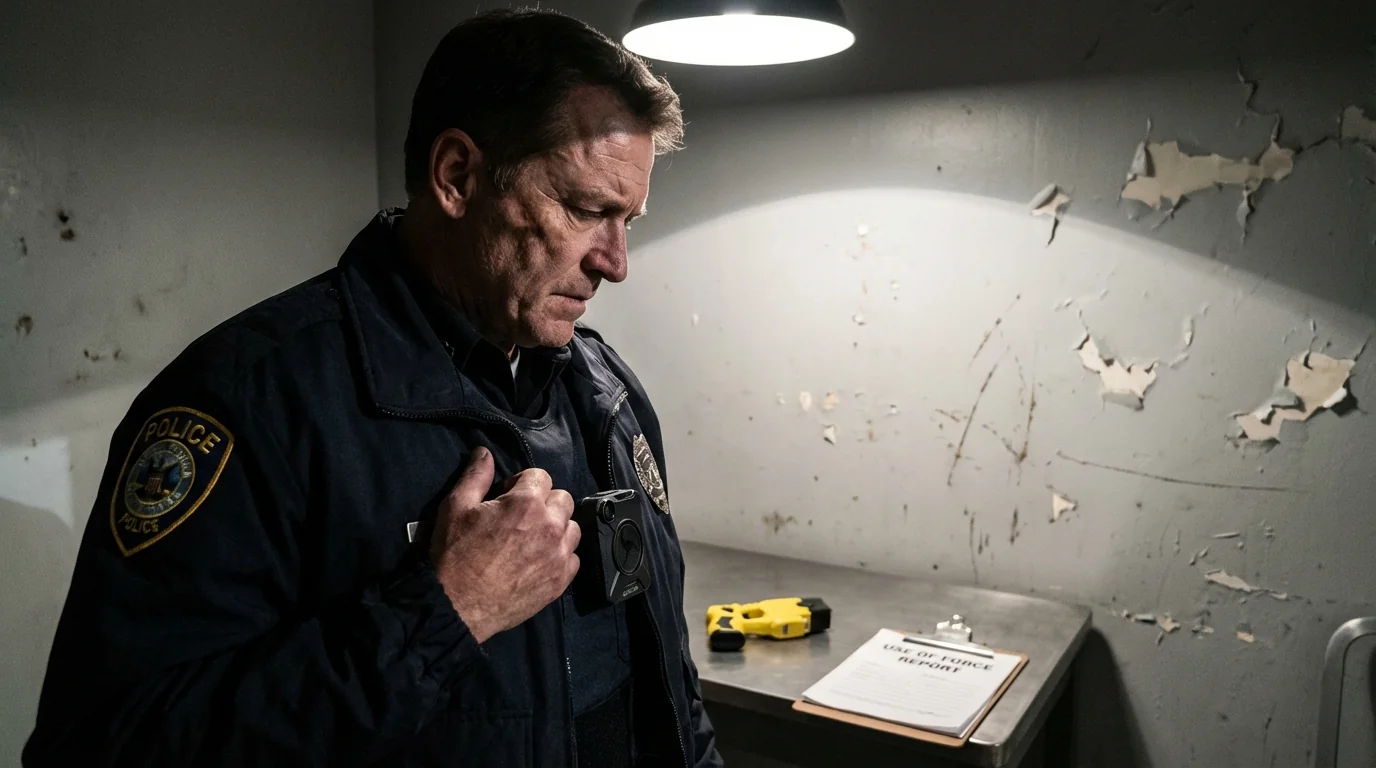
Do not draw firm conclusions from a short clip. Key facts, including earlier actions, distance, and warnings, affect the legal analysis.
Who was Renee Nicole Good
Good’s name is now public following notification to her family. I am working to gather verified details about her life and the events that led to this encounter. That includes her health history, any prior contact with law enforcement, and her ties to the area. These details can influence public understanding, yet they do not determine the legality of the shooting. The law focuses on what the officer reasonably perceived in the moment.
Community members near the scene are shaken. Several told me they want an independent review and a public release of all video. They also want a clear explanation of why a federal immigration officer, not a local police officer, was the one to use deadly force.
The law, the policies, and who investigates
ICE officers follow Department of Homeland Security use of force policy. Deadly force is allowed only when the officer reasonably believes there is an imminent threat of death or serious injury. De-escalation is required when it is safe to do so. The Supreme Court standard, from Graham v. Connor, looks at reasonableness, not perfection, and views the moments through the eyes of a reasonable officer on scene.
In Minnesota, the Bureau of Criminal Apprehension often handles officer shootings. Because a federal officer fired the shot, multiple layers now come into play. Expect reviews by DHS Office of Inspector General, ICE’s Office of Professional Responsibility, and likely the FBI. The local county attorney and the U.S. Attorney will assess possible criminal charges. Federal policy also allows administrative discipline up to termination if rules were broken.
State charges against a federal officer are possible. The Supremacy Clause may protect the officer only if actions stayed within federal duties and were reasonable under law.
Civil accountability is separate. Good’s family could pursue claims under the Federal Tort Claims Act. They could also test a direct constitutional claim for excessive force. That path, known as Bivens, has narrowed in recent years, which makes the choice of legal forum and theory critical.
Two policy issues stand out already. First, the status of body cameras for federal agents remains uneven, which hinders clear fact finding. Second, coordination rules between federal and local officers are not uniform. Joint operations need shared standards for force, reporting, and public release of records.
Your rights and what to watch next
People have rights during federal encounters. You may ask if you are free to leave. You have the right to remain silent. You have the right to speak with a lawyer. In Minnesota, you also have the right to request public records, including 911 audio, CAD logs, and nonexempt video. At the federal level, you can file a Freedom of Information Act request, though it can take time.
You have the right to record officers in public, as long as you do not interfere. Keep a safe distance and preserve the original file.
Protests and vigils are protected speech. Check local permit rules for marches that block streets. Police must facilitate peaceful assembly. Any use of force against protesters must also meet legal standards.
Here is what I will be watching in the coming days:
- Identification of the officer and release of any body or dash camera video.
- Confirmation of whether less lethal tools were used or attempted.
- Findings by DHS OIG and whether the FBI takes the lead on the criminal probe.
- Public statements by the county attorney and the U.S. Attorney on charging decisions.
The bottom line
Renee Nicole Good is dead after a federal encounter on a Minneapolis street. The video raises hard questions, but it does not tell the full story. Law and policy demand a careful, transparent review. That means all footage, full reports, and a clear legal analysis of necessity and reasonableness. The public is owed answers, and Good’s family is owed accountability. I will continue to report each verified fact as it emerges.