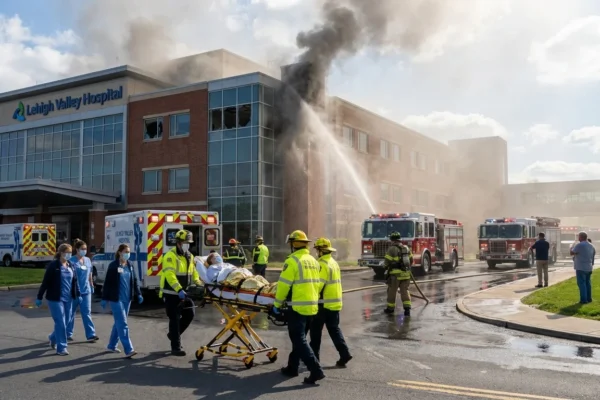
Las Vegas is grieving tonight. I can confirm the child killed during a police shooting in the south valley was three-year-old Quinton Baker. His mother identified him publicly today. The case began as a domestic violence and hostage call. It ended with gunfire, a child lost, and a city asking hard questions.
What happened, and what officials must answer
Police responded to a 911 call about a violent situation inside a home in south Las Vegas. Officers say a child was in danger. At some point, shots were fired. Quinton was killed. The police department has not released the full sequence of events. An internal and criminal review is underway. Investigators are gathering body camera video, radio traffic, and witness statements.
In briefings, officials faced direct questions about tactics and timing. Did negotiators have control of the scene. Were less lethal options available. Who fired, and why. When children are present, every decision carries extra risk. Policy must reflect that urgency, and so must training.

The Nevada Public Records Act gives the public a right to inspect government records, with limits for active cases and privacy. Expect requests for body camera video, 911 recordings, and dispatch logs. Timely release, with appropriate redactions, is key to trust.
These are the immediate legal questions that demand clear answers:
- Was a child in the line of fire, and was that known to officers
- Were de-escalation steps and containment used before shots were fired
- Were specialized teams, including negotiators and SWAT, on scene and in command
- Were all body cameras activated and preserved, without gaps
- Who approved the tactical plan, and what risk analysis was documented
Policy under the microscope, priority of life and de-escalation
Hostage and domestic violence calls are among the most dangerous calls police face. Best practice puts hostages and bystanders first, then officers, then suspects. That priority of life model guides tactics. It favors time, distance, and communication. It favors containment over quick entry, unless a clear, immediate threat exists.
State training standards include crisis response and de-escalation. Departments also teach backdrop awareness. That means knowing who or what sits behind a target before a shot is taken. When a child might be behind a door or a suspect, the risk is unacceptable without near certainty. Policies must draw a hard line there. Supervisors must enforce it at the scene.
This case will test those policies in Las Vegas. It will test whether plans were followed. It will test whether decision makers had full information, or pushed too fast in a fluid scene.
Accountability pathways, what the law allows
Several layers of review now begin. A criminal inquiry will determine if any officer broke the law. An administrative review will judge policy compliance. In Clark County, deadly force cases may also receive a public fact finding review when prosecutors decline criminal charges. That forum puts facts on the record, under oath, for the community.
Civil liability is also on the table. Quinton’s family can pursue a wrongful death claim in state court. They can seek federal relief for civil rights violations under Section 1983. Qualified immunity, state damage caps, and municipal defenses will all be argued. But those protections do not apply if a court finds a clear constitutional breach. The focus will rest on reasonableness, necessity, and care taken to protect a child.
State lawmakers and local leaders may now revisit rules for high risk domestic calls. Required on scene command. Mandatory negotiator call outs. Child specific protocols for line of fire and backdrop control. There is room to codify these safeguards, not just teach them.
Citizen rights and practical steps
Residents have rights during and after police crises. Families can request reports and videos. They can file complaints with internal affairs and civilian boards. They can ask elected officials to convene hearings. They can hire counsel to preserve evidence and meet legal deadlines.
If you are a family member or witness, write down the incident number, names of officers you spoke with, and times. Ask in writing for all related records. Civil claim deadlines can be short, often months, so consult an attorney quickly.
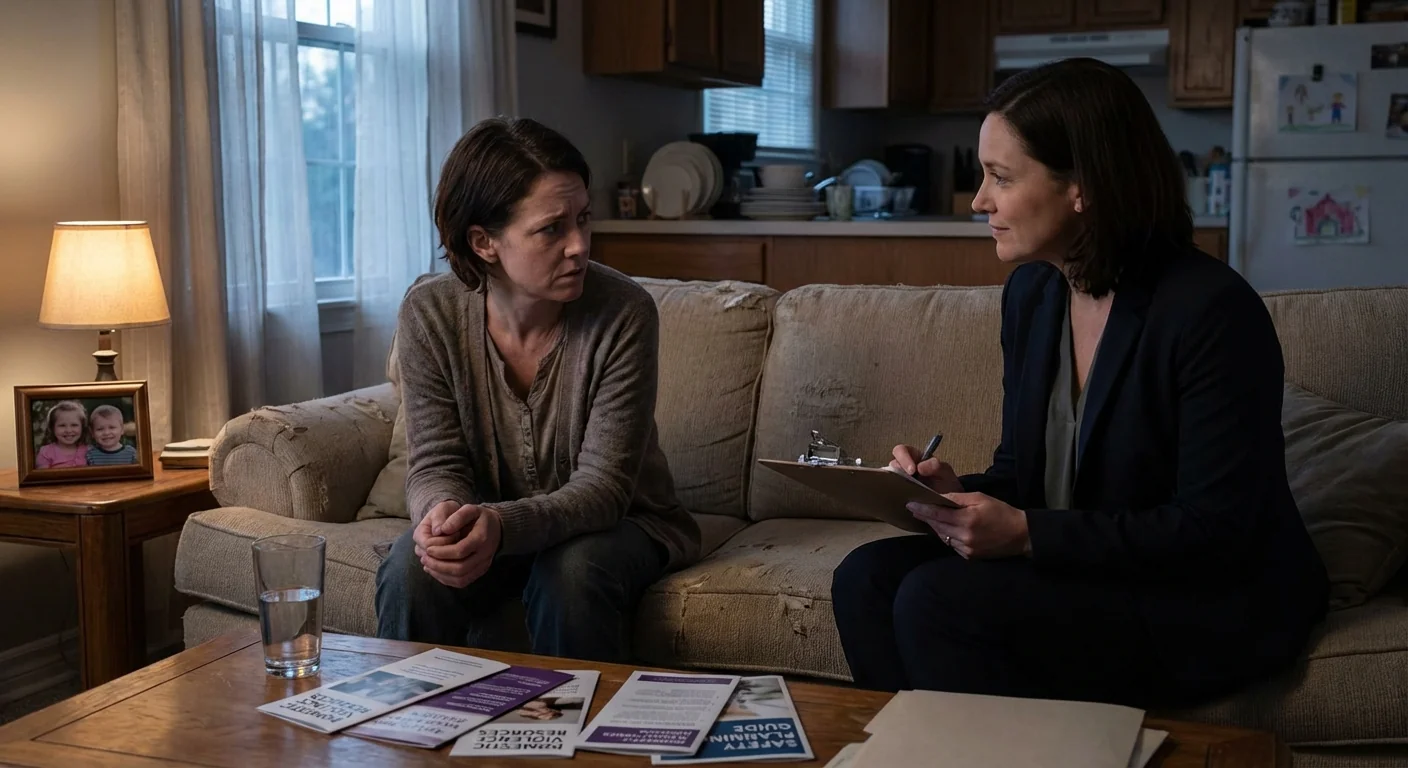
Domestic violence calls are complex. If you call 911, tell dispatch if children are present and where they are. Stay on the line if safe. Ask for medics to stage nearby. After the incident, seek a protection order if needed, and connect with local crisis services for safety planning.
What comes next, and what must change
We expect more facts in the coming days. That should include body camera footage, a clearer timeline, and a transparent account of each decision. City and county leaders should schedule open forums with the community. The legislature should consider child first standards for police tactics in domestic and hostage cases. Independent experts in de-escalation and child safety should help write them.
Public trust rests on sunlight and humility. Quinton Baker was three years old. His name now anchors a hard lesson for our city. The job ahead is simple to state, and hard to do. Tell the truth. Fix what failed. Put children first, every single time. 🕯️