BREAKING: Puerto Rico flights briefly halted, federal curbs lifted, delays linger
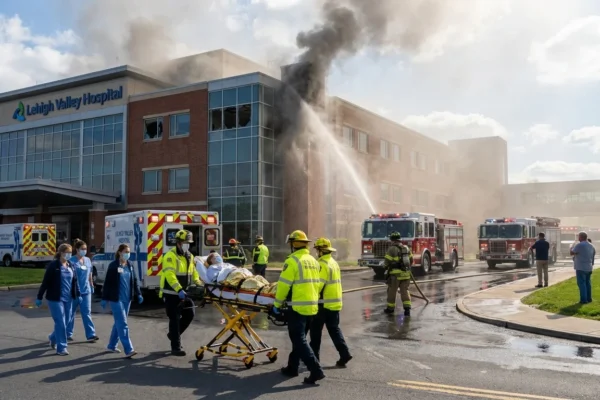
A sudden federal airspace restriction hit Puerto Rico and parts of the Caribbean today, pausing some flights in and out of the island. The restriction, tied to safety concerns related to Venezuelan strikes, was precautionary and short. It has now been lifted. Airlines are restoring service, but the recovery will take time. Expect rolling delays, gate swaps, and late-night arrivals as crews and planes get back in place.
What changed and why it matters
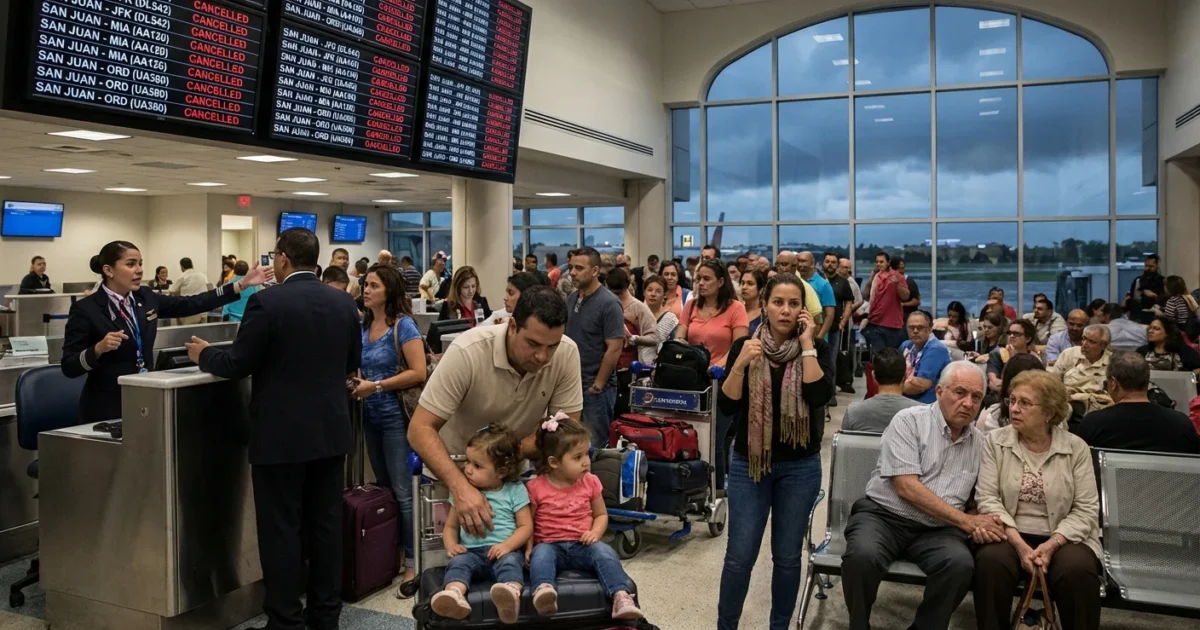
Federal authorities limited portions of Caribbean airspace for several hours. That slowdown rippled into San Juan, Aguadilla, and Ponce. Flights were canceled or diverted. Others held on the ground across the mainland. Once the limits eased, airlines began to restart service. Delta announced Caribbean restarts first, and other carriers are following.
This was not a blanket or ongoing ban. It was a targeted safety action. It had immediate impact because Puerto Rico routes share regional corridors that were affected. Schedules are reopening now, but the system is out of sync. Crews timed out. Aircraft are not where they need to be. That is why the aftershocks will continue through tonight and into tomorrow.

The law and the government’s playbook
The Federal Aviation Administration controls U.S. airspace. It can restrict routes for safety or national security under federal law. It does this through temporary notices to air missions and routing orders. Those notices can take effect fast, which is what we saw today.
Homeland security officials coordinate with the FAA during events tied to foreign threats. Defense and intelligence updates inform the risk picture, then civil aviation rules adjust. Puerto Rico is U.S. domestic airspace, but its flight paths intersect regional flows. A limit near a corridor can impact flights hundreds of miles away.
Airlines must follow these orders, period. When the government lifts a restriction, carriers still need to rebuild the schedule. That is an airline operations task, not a federal one. Expect measured restarts rather than a single flip of a switch.
Puerto Rico is a U.S. territory. Travel between Puerto Rico and the mainland is domestic. Your aviation rights are the same as any U.S. passenger on a domestic flight.
Your rights as a passenger
If your flight was canceled, you are entitled to a refund to your original form of payment if you choose not to travel. That includes taxes and fees. You can also accept a rebooking or a voucher if you prefer.
If the airline makes a significant schedule change, you may also qualify for a refund. Each carrier defines significant differently, but federal policy requires transparency and prompt refunds. Most airlines are waiving change fees right now. Many are waiving fare differences for a short window. Check your carrier’s advisory before you make a change.
There is no federal rule that requires cash compensation for delays. Airlines may offer meal or hotel vouchers under their own policies, especially during overnight disruptions. If you are stuck on the tarmac, strict federal time limits apply. Airlines must allow passengers to deplane after set time caps, with limited safety exceptions.
Accessibility rights still apply. If you need a wheelchair, a service animal accommodation, or language assistance, the airline must provide it. Keep records of requests and interactions.
Canceled means refund eligible. Delayed can still qualify if the schedule change is significant. Save screenshots and receipts to support your claim.
What to do right now
Do not head to the airport until you confirm your new plan. Rebooking from your phone is faster than waiting in line. Use the airline app, website, or text chat. If you must speak to a person, try the international customer service line for shorter waits.
- Check your flight status and gate every hour until departure
- Enroll in airline and airport text or email alerts
- Ask about change fee and fare difference waivers before you switch flights
- Keep receipts for meals, hotels, and transport in case the airline or your card covers them
If you booked through a travel agency or an online platform, they must assist with changes. If you cannot resolve a refund or service issue, file a complaint with the U.S. Department of Transportation’s Aviation Consumer Protection office. That filing creates a paper trail and can speed action.
Avoid third parties that charge to rebook or promise instant refunds. Work with your airline or your original booking channel. Never share payment info with unsolicited callers.
Airports and security
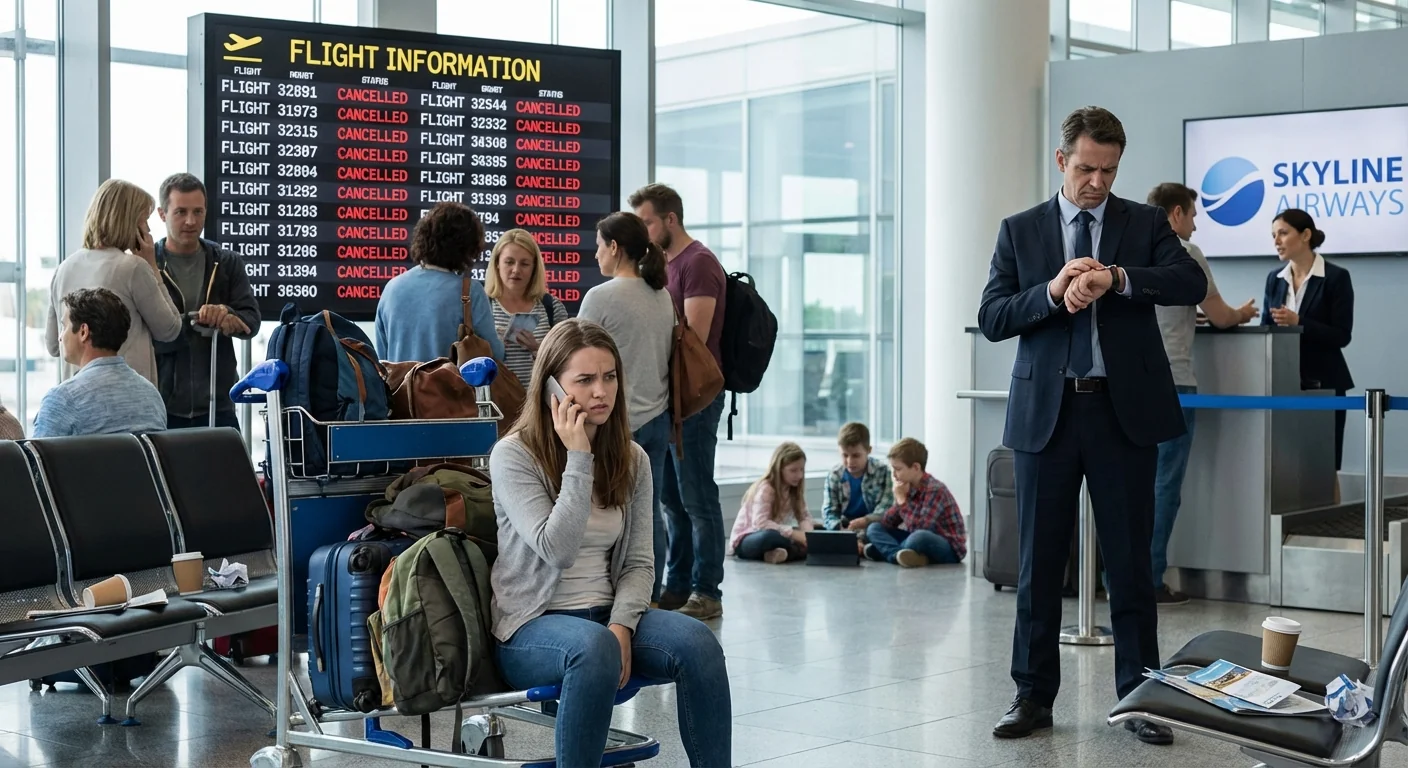
San Juan’s security posture remains normal. Arrive early, because lines thicken during irregular ops. Expect full ID checks and standard screening. Bring patience, snacks, and chargers. Crews are moving, gates are changing, and holds are possible.
Connecting and international edges
Most Puerto Rico trips are domestic connections. If you planned to connect through a foreign hub, your itinerary may shift to a U.S. hub instead. Watch for passport and visa needs if your rebooked plan touches a foreign airport. Ask the airline to route you domestically if you prefer to avoid that.
The bottom line
The flight pause was temporary and rooted in safety. The legal authority was clear, and the order is now lifted. The civic duty now is to restore normal service with clarity and fairness. Airlines are turning the system back on, flight by flight. Know your rights, use the waiver windows, and keep your receipts. Recovery is under way, and Puerto Rico’s skies are reopening.