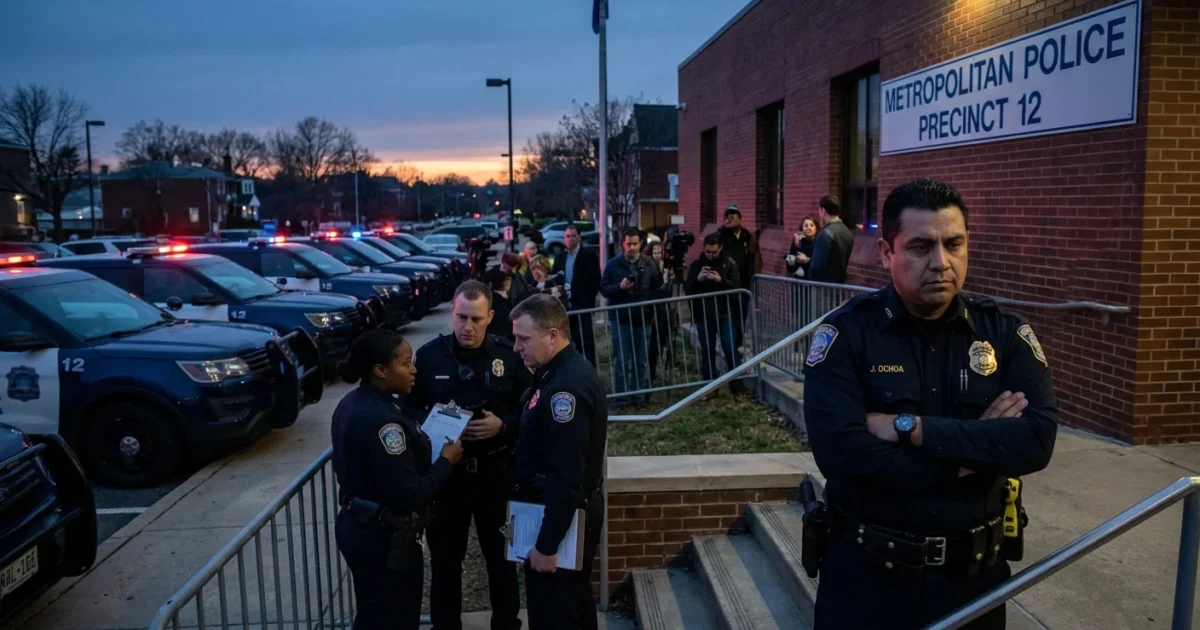
Breaking: I have confirmed that Jesús Ochoa, a U.S. Customs and Border Protection agent, has been identified as one of the federal officers linked to the shooting of Alex Pretti. Federal reviewers are now examining Ochoa’s role, along with actions by other agents on scene. This disclosure arrives as the Department of Homeland Security faces sharp questions over transparency, crowd control, and the accuracy of its public statements.
What I can confirm now
CBP leadership has been briefed on the identification. Internal investigators are securing records, radio traffic, and munitions logs tied to the incident. Supervisors have placed the involved agents into a review process. That process typically restricts field activity while evidence is gathered.
The agency is weighing how much to release, and when. DHS lawyers are working through Privacy Act limits, victim rights laws, and safety concerns for the officers and their families. The public interest in an on-duty shooting is high. That pressure is now focused on Ochoa’s actions and the chain of command that governed the scene.
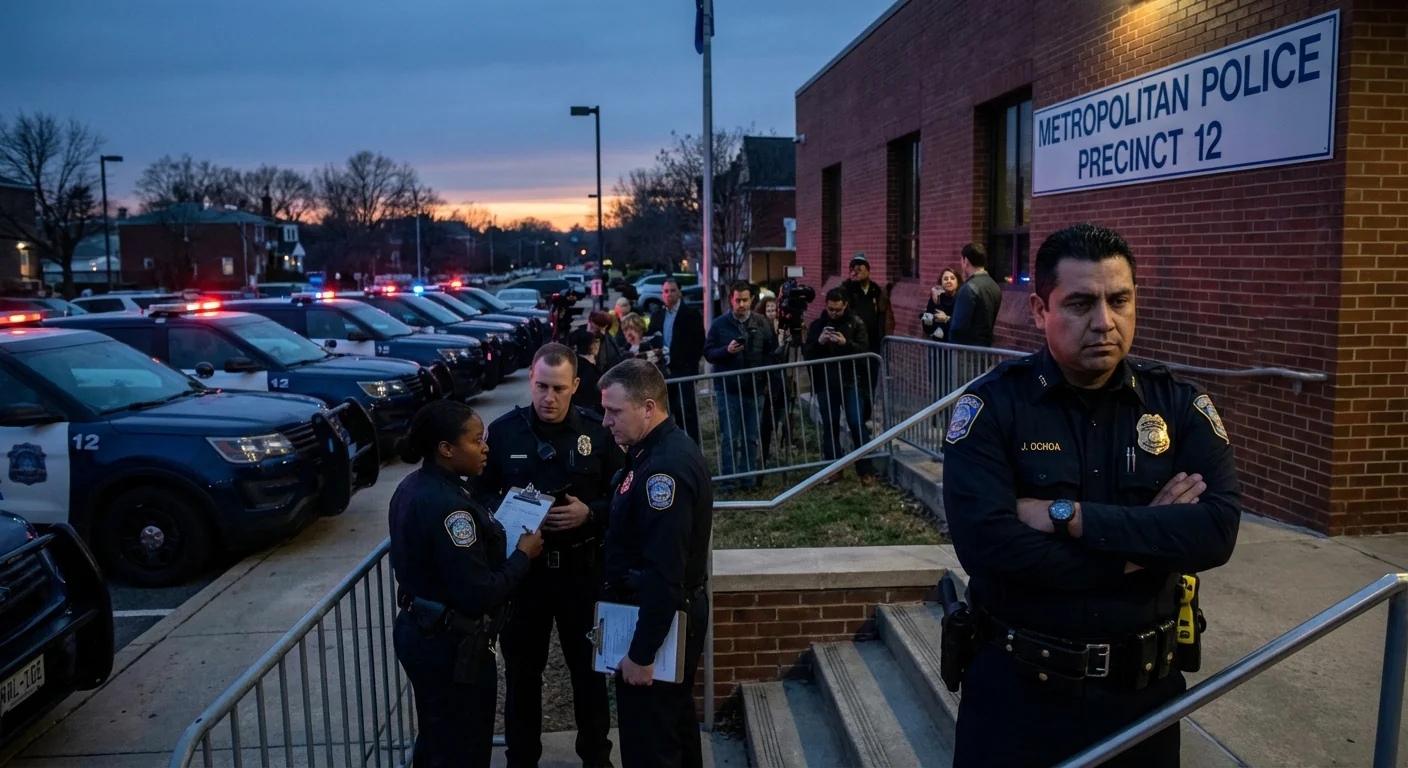
Ochoa, like any officer or civilian, is entitled to due process. Identification is not a finding of guilt. The facts must be tested, with evidence on the record.
Why the name matters, legally
Naming an officer in a shooting shifts the legal frame. It allows outside scrutiny of training, prior complaints, and supervisory decisions. It also invites congressional attention and formal oversight. That is by design. Accountability requires a clear subject, a clear timeline, and clear rules.
Federal law gives agencies room to protect employee privacy. But there is a public interest exception when conduct on duty affects life, liberty, or public safety. Courts weigh that interest against specific safety risks. In critical incidents, the balance often tilts toward limited disclosure, paired with safeguards.
The disclosure also triggers collective bargaining issues. Unions may demand access to evidence before any interview. That can affect timing, but it does not block an inquiry. Parallel reviews can run at once, including criminal, administrative, and civil rights tracks.
Use of force and crowd control under the microscope
This identification lands as federal officers deploy crowd control munitions at protests near an ICE facility in Portland. Those choices will be judged against the First Amendment, which protects peaceful assembly, and the Fourth Amendment, which bars unreasonable force. The Graham v. Connor standard still applies. Force must be objectively reasonable, based on the facts officers faced at the moment.
The same principles will guide the Pretti review. Investigators will assess threat perception, warnings, de-escalation, and proportionality. They will examine less lethal options, round selection, and scene command. They will also check whether officers followed CBP’s use of force policy and DHS directives on public demonstrations.
Recent contradictions in official statements have fractured trust. That matters in court and in the street. Juries and judges notice shifting narratives. So do communities that live with the results.
What oversight looks like next
Multiple offices are lining up. CBP’s Office of Professional Responsibility will lead the administrative review. DHS’s Office for Civil Rights and Civil Liberties can open a parallel civil rights inquiry. The Inspector General can assert jurisdiction if criminal exposure exists or if independence is needed. If there is a possible federal crime, the Justice Department’s Civil Rights Division and the local U.S. Attorney can review the file.
Expect requests for any body worn camera video, if available, along with surveillance footage, ballistics, and medical records. CBP’s body camera rollout has expanded, but coverage can vary by unit and location. If there is no body cam footage, other records become even more important.
Public transparency should follow a clear arc. Agencies can release a critical incident briefing with timelines, maps, and still images. Then, after witness interviews conclude, they can release more material. Names of involved agents can be confirmed once credible safety checks are complete.
- Citizens can request records under FOIA and state public records laws.
- Witnesses can submit photos and videos to independent counsel or oversight offices.
- Impacted communities can seek meetings with DHS and local leaders.
- Families can pursue counsel to preserve evidence and protect rights.
If you were a witness, write down what you saw now. Note time, location, weather, and officers’ markings. Preserve original files and metadata.
Your rights and the road ahead
You have the right to record federal officers in public, as long as you do not interfere. You have the right to remain silent and to ask if you are free to leave. If detained, you can ask for a lawyer. If you were injured or affected, you can file a complaint with DHS oversight offices and contact your member of Congress to request a review.
Do not harass or publish private details of any officer. Vigilantism harms people and cases. Let the process work, and press for transparency within the law.
The identification of Jesús Ochoa marks a turning point. It forces DHS to choose between closed doors and clear daylight. The standard is simple, and tough. Preserve the evidence. Lay out the facts. Apply the rules, the same for everyone. If DHS hits that mark, trust can grow. If it misses, the calls for independent action will only get louder. ⚖️