

Qatar at the flashpoint: U.S. and U.K. pull some personnel from Al Udeid as Iran tensions spike
Partial drawdowns begin at the region’s largest base
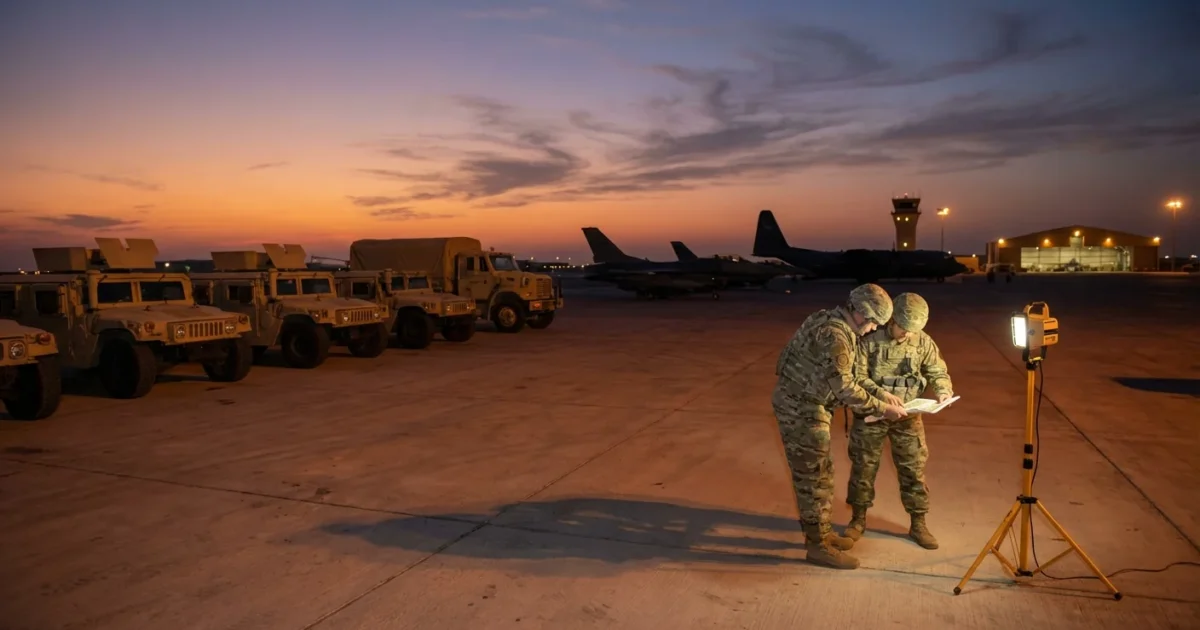
I can confirm that the United States and the United Kingdom have begun pulling some personnel from Al Udeid Air Base in Qatar. This is a measured drawdown, not a full evacuation. It reflects a higher force protection posture as Iran warns it will retaliate if struck. Movement orders began quietly, focused on nonessential staff and dependents. Operations continue, but with tighter security and fewer people on site.
Al Udeid is the largest U.S. military facility in the Middle East. It is a command hub for air operations across the region. When the lights dim even a little here, the signal is clear. Risk has risen, and planners are buying time and space to adjust.
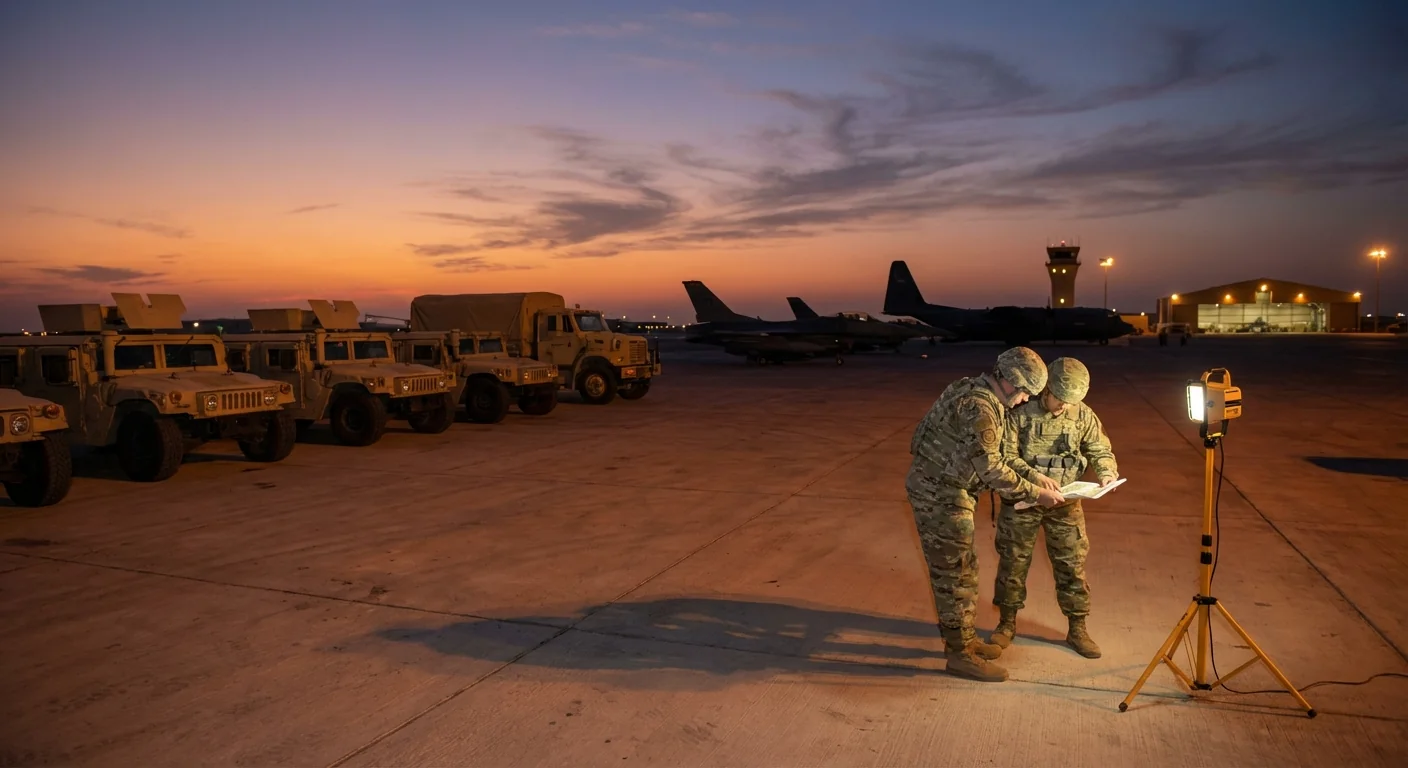
This is a precautionary step, not a shutdown. It aims to reduce exposure while keeping core missions ready.
What this means in law and policy
Qatar hosts foreign forces under defense cooperation and status of forces arrangements. These deals recognize Qatar’s full sovereignty. They also set rules for basing, security, jurisdiction, and emergency actions. A partial drawdown sits squarely within those agreements. The sending states decide who stays and who goes. Qatar controls access, public order, and safety beyond the fence line.
Force protection measures are lawful when they are necessary and proportionate. Moving nonessential staff, tightening perimeters, and adjusting flight plans are standard. None of this changes Qatar’s legal status. It is not a belligerent state unless it takes part in hostilities. Hosting a base does not make Qatar a party to a conflict by itself.
Airspace is a key policy lever. Qatar’s civil aviation authority can issue temporary flight restrictions near military zones. That would align with international safety rules. It may also coordinate with airlines on route changes and holding patterns if needed.
Government actions to watch in Doha
Qatar’s cabinet can act fast in a security scare. Expect targeted steps, not blanket rules. Authorities can draw perimeter buffers, increase patrols, and limit access around sensitive sites. They can also push clear guidance through official channels in Arabic and English. Doha has done this before during regional crises, and it tends to favor calm, concise messaging.
If threats escalate, the government can activate emergency management plans. That can include coordinated shelter guidance for communities near Al Udeid, traffic rerouting, and medical readiness at designated hospitals. Any broader restrictions would need to be necessary, limited in time, and reviewed at the cabinet level.
Watch for temporary traffic and airspace notices around Al Udeid. These may change with little lead time.
Rights and responsibilities for residents and workers
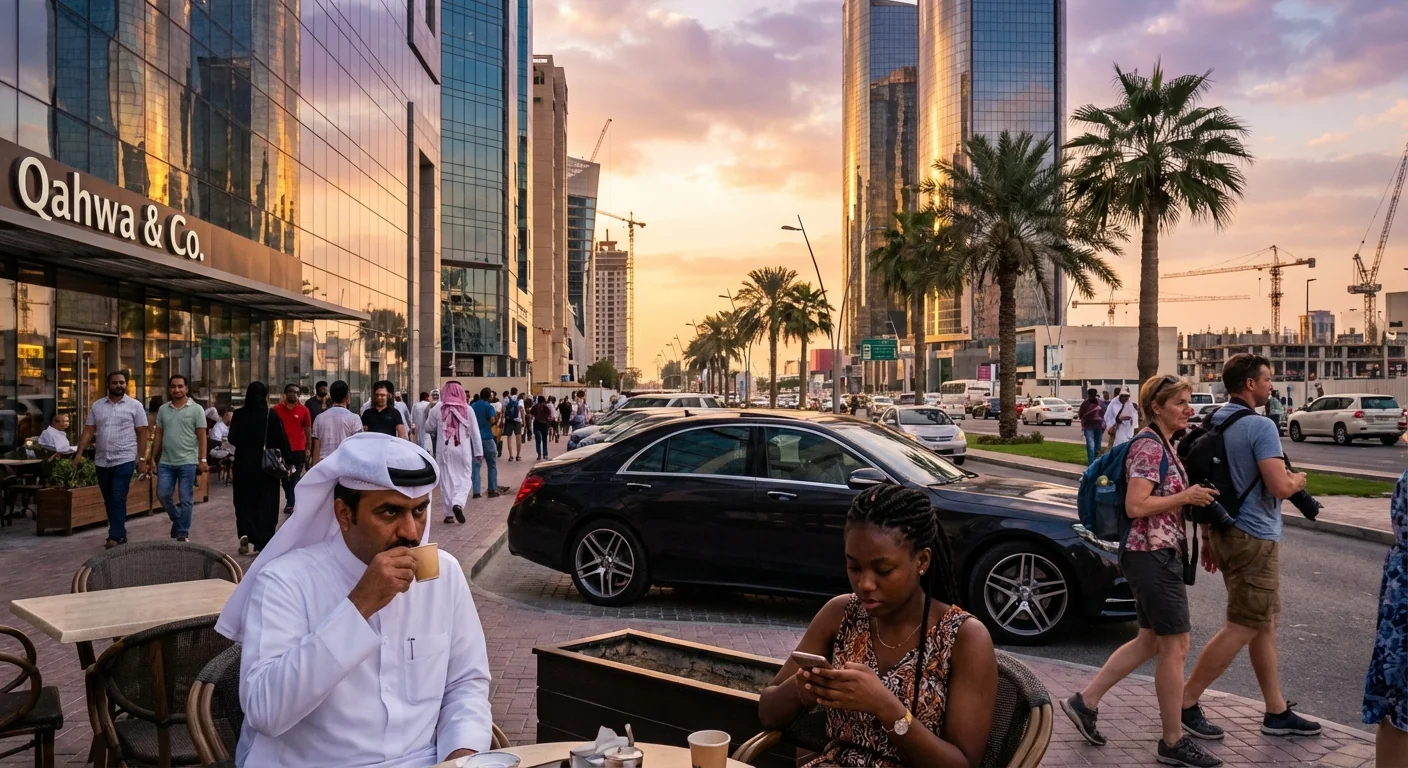
People living and working in Qatar, including the large expatriate community, should know their rights. Public order measures must be lawful, necessary, and proportionate. Freedom of movement can be limited near military zones for safety, but not more than needed. Workers have a right to a safe workplace. Employers must provide protective measures, clear instructions, and pay according to contract and labor law if schedules shift.
If you hold a foreign passport, you retain the right to consular help from your embassy. Keep your documents current. Follow official notices from the Government Communications Office and the Ministry of Interior. Ignore rumors.
Here is what to do now if you live or work near the base:
- Sign up for official SMS alerts and airline notifications.
- Keep ID and key documents ready in a go bag at home.
- Confirm your employer’s emergency plan and meeting points.
- Save your embassy’s 24 hour number and the national emergency line.
Information discipline matters
Misinformation spreads fast in tense times. Sharing unverified maps or troop movements can endanger lives. Qatar’s cybercrime laws penalize harmful false content. Report suspicious posts to authorities. Stick to official updates.
The message behind a partial withdrawal
Policymakers are sending several signals. First, deterrence remains active, but leaders are not courting an accident. Second, logistics tempo is shifting, but core missions continue. Third, host nation and partners are in close lockstep on safety.
This is also a legal posture. By thinning nonessential presence, the United States and the United Kingdom reduce the number of potential victims if a strike occurs. That aligns with their duty of care to personnel. It also reduces the risk of collateral harm in communities near the base, a concern grounded in the law of armed conflict.
Qatar’s role is pivotal. It must balance regional diplomacy, domestic safety, and its commitments to partners. It can keep the state neutral, uphold public order, and still host allied forces. Done well, those goals fit together.
What comes next
Expect more visible security at the base and on key approach roads. Expect selective flight notices. Expect steady, not frantic, official messages. If tensions ease, dependents and nonessential staff can return quickly. If they rise, Qatar and its partners are already several steps ahead in their contingency plans.
Calm and clarity are the policy watchwords now. The drawdown is a guardrail, not an exit. Doha is keeping its options open, and the law supports that careful path forward.




