Lockheed Martin wins Taiwan contract as Pentagon signals steady support
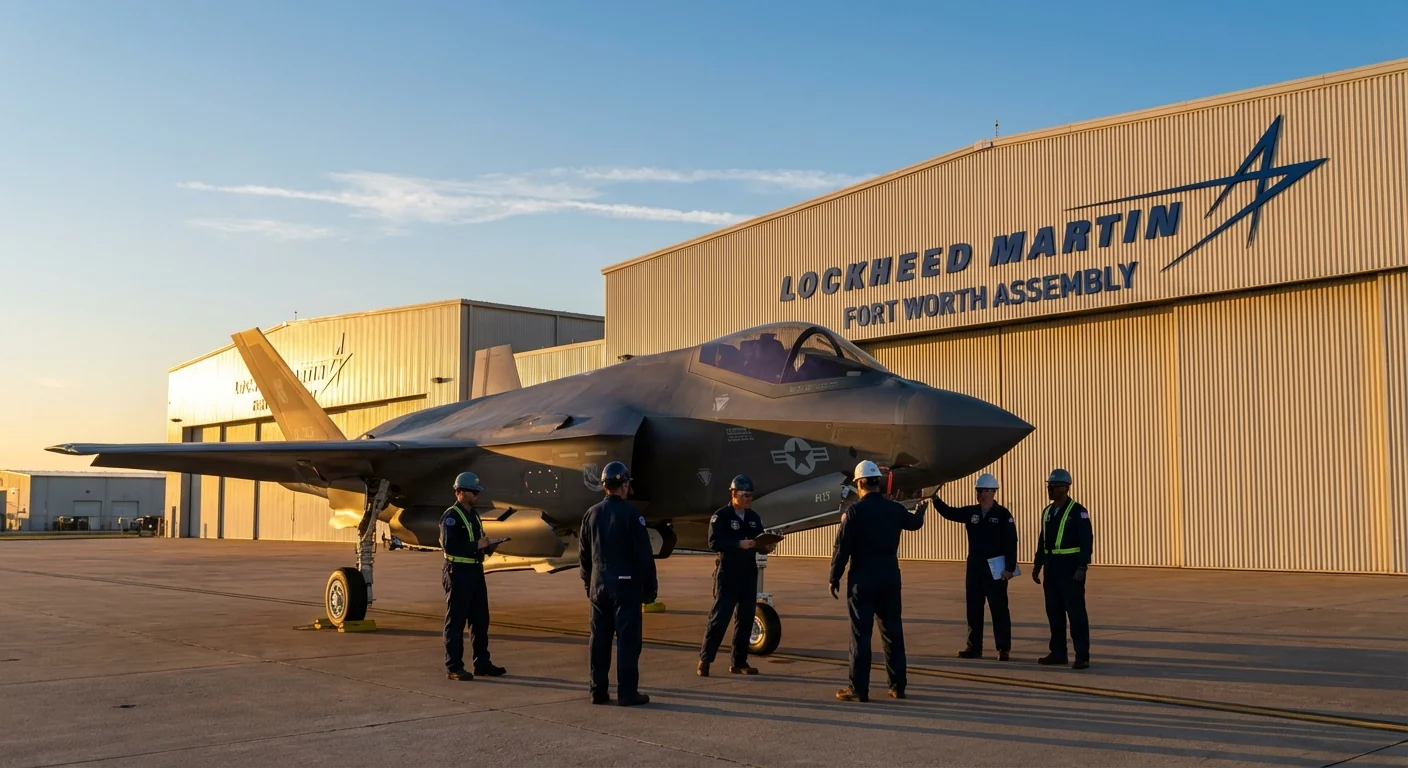
The Pentagon has awarded Lockheed Martin a 328.5 million dollar contract tied to Taiwan. The deal covers gear and support for Taiwan’s Air Force under the Foreign Military Sales program. It is a clear sign of continued US backing for Taiwan’s defense, while tensions in the region stay high.
This award is more than a number. It is a policy statement through a contract. The United States is keeping its legal promise to help Taiwan maintain a strong self defense. That promise is set out in the Taiwan Relations Act. Today’s action puts money and timelines behind that policy.
What the contract does, and why it matters
Foreign Military Sales, called FMS, is the system the US uses to sell defense items to partners. The US government buys from a contractor, then transfers items to the partner government. This award will fund equipment and related support for Taiwan’s Air Force. It likely includes sustainment and training, which are common in FMS cases, and it keeps Taiwan’s air defenses ready.
The move also keeps US industry production lines active. When the government places steady orders, parts keep moving and skilled workers stay on the job. That matters in a tight supply chain. It also matters for readiness if a crisis hits.
FMS sales sit on top of US law. The State Department approves the sale, Congress gets a notice period for major cases, then the Pentagon awards contracts. Today’s contract reflects a sale that has already cleared those legal steps.
The legal and policy frame
This award fits within three pillars of US policy.
First, the Taiwan Relations Act says the US will make defense articles and services available to Taiwan. The goal is to help Taiwan maintain a sufficient self defense. This contract delivers on that duty.
Second, the Arms Export Control Act governs how arms transfers work. It sets rules for approvals, end use, and oversight. It also allows Congress to review significant sales. That oversight protects the public interest.
Third, US policy follows a One China policy, but it also supports peace and stability. Providing defensive gear to Taiwan is part of that balancing act. It seeks to deter conflict without changing the political status quo.
The risk backdrop and international friction
Beijing opposes US arms to Taiwan. China has used sanctions and licensing limits against US defense firms before. Today’s award could draw protests, or new business limits inside China, for companies in the supply chain.
US law still allows this sale, and the US government is moving forward. That said, companies must watch sanctions and export rules on both sides. They must also guard sensitive tech in transit.
China may respond with sanctions, import limits, or travel restrictions that touch US companies and their staff. Firms should build plans for that risk, and travelers should check advisories before entering China.
Supply chain, compliance, and market impact
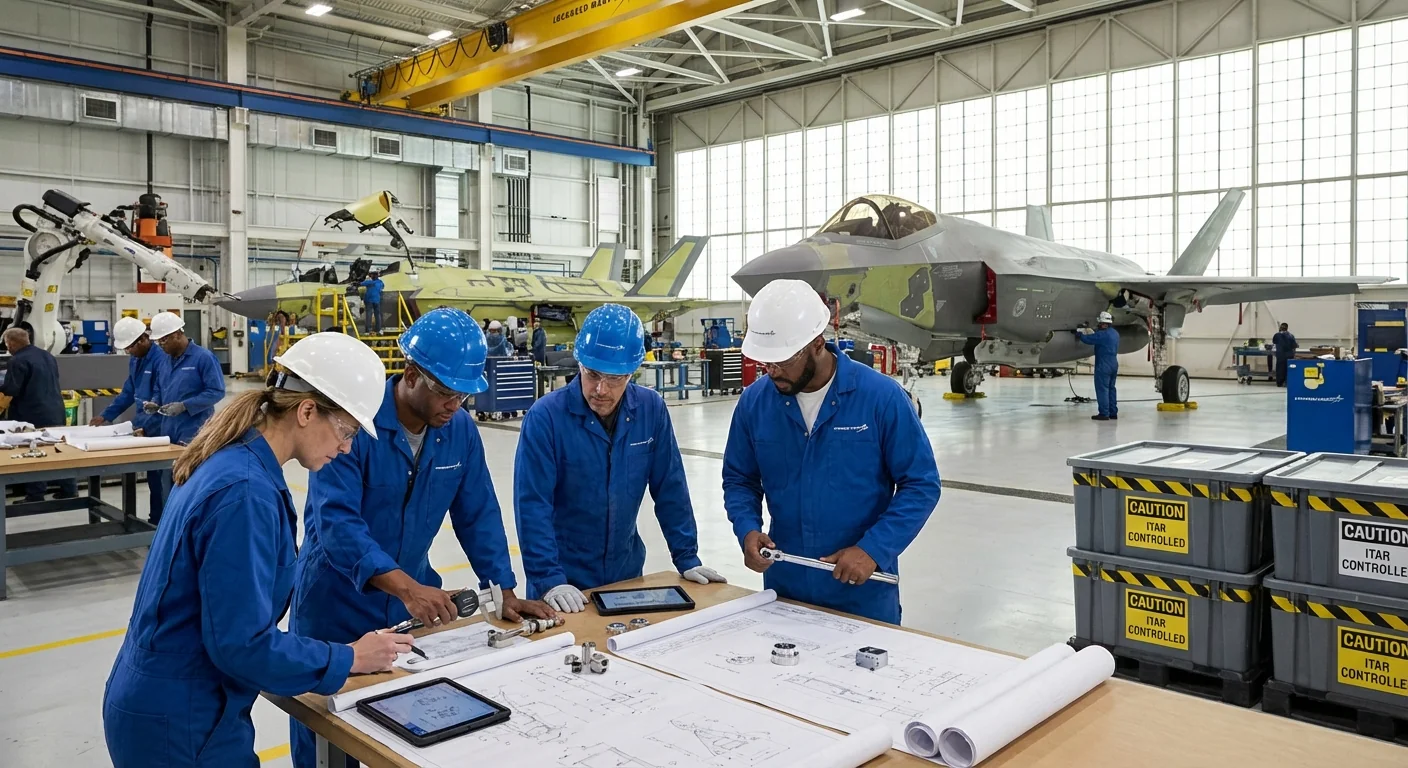
This contract will test supply chains for electronics, software, and maintenance parts. It also puts a spotlight on compliance. US contractors working FMS must meet strict rules. So must many subcontractors.
Key obligations include:
- Follow export rules under the International Traffic in Arms Regulations, called ITAR
- Meet Defense Department cyber rules for safeguarding data
- Track parts and vendors to avoid counterfeit or banned items
- Follow Buy American and specialty metals rules, or get proper waivers
Investors will watch how quickly Lockheed converts this award into delivered work. The award adds to backlog and revenue visibility. Boeing also received new Pentagon work today, keeping both primes in focus. None of this is investment advice. Companies must disclose material updates under securities law, and investors should read official filings.
Public oversight matters here. Contract details are public in part, but technical data and unit prices may be withheld for security. Citizens can still track the money and the milestones through official notices.
What citizens can do now
This is a national policy choice made through law. Citizens have a voice in how it is carried out. Here are practical steps:
- Ask your members of Congress how they view arms sales to Taiwan
- Submit Freedom of Information Act requests for contract summaries and audits
- Attend town halls to press for transparency on costs and timelines
- Follow Defense Department daily contract postings to see updates
Bottom line
Today’s award tells Taiwan, and the region, that US support is steady. It also tells US industry to stay ready. The legal basis is solid, the oversight routes exist, and the risks are known. What happens next will hinge on execution, supply chain discipline, and careful diplomacy. If those hold, the contract will do what the law intends, keep the peace by keeping defenses strong.