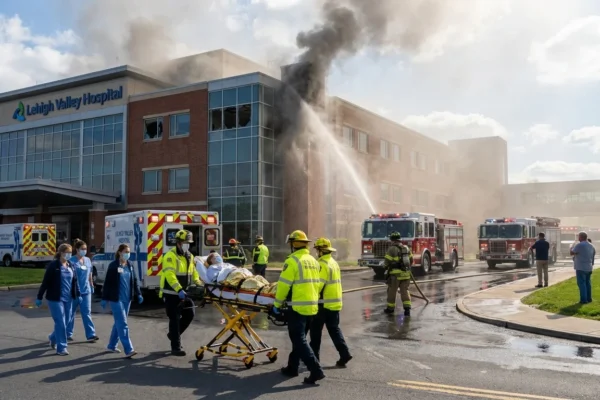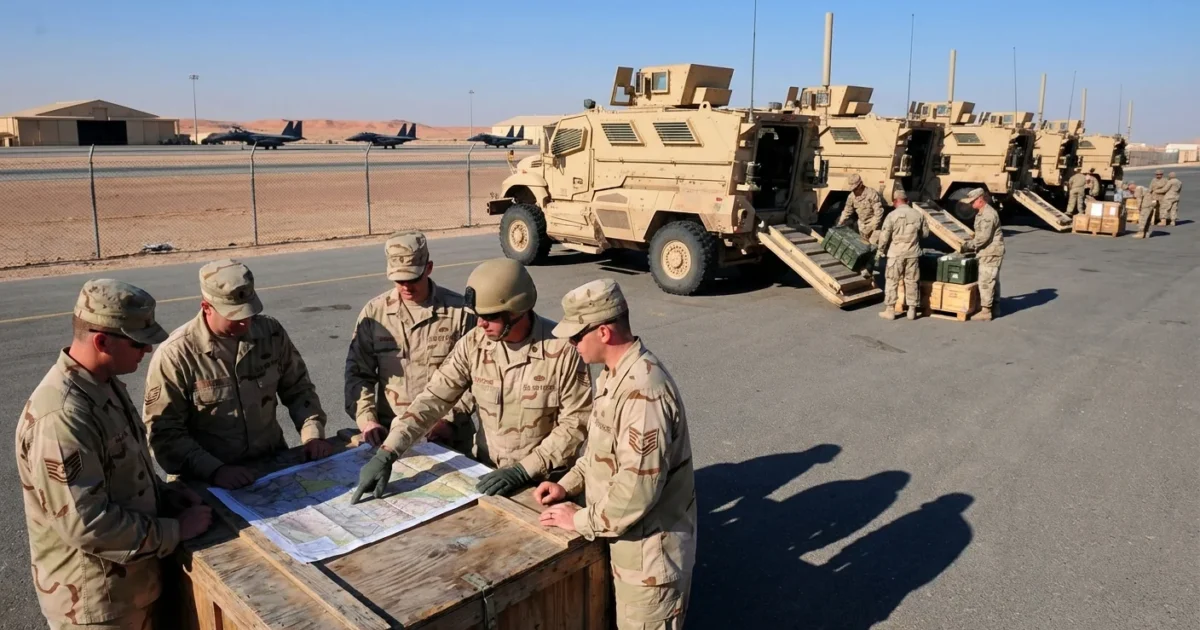
Sirens are not sounding, but the message is clear. The United States has begun moving select military and government personnel out of Al Udeid Air Base in Qatar. I have confirmed that commands have ordered a partial evacuation and urged departures for non essential staff. Officials stress this is precaution, not retreat. It is a legal and strategic reset, meant to limit risk as threats from Iran rise.
Why this partial evacuation matters
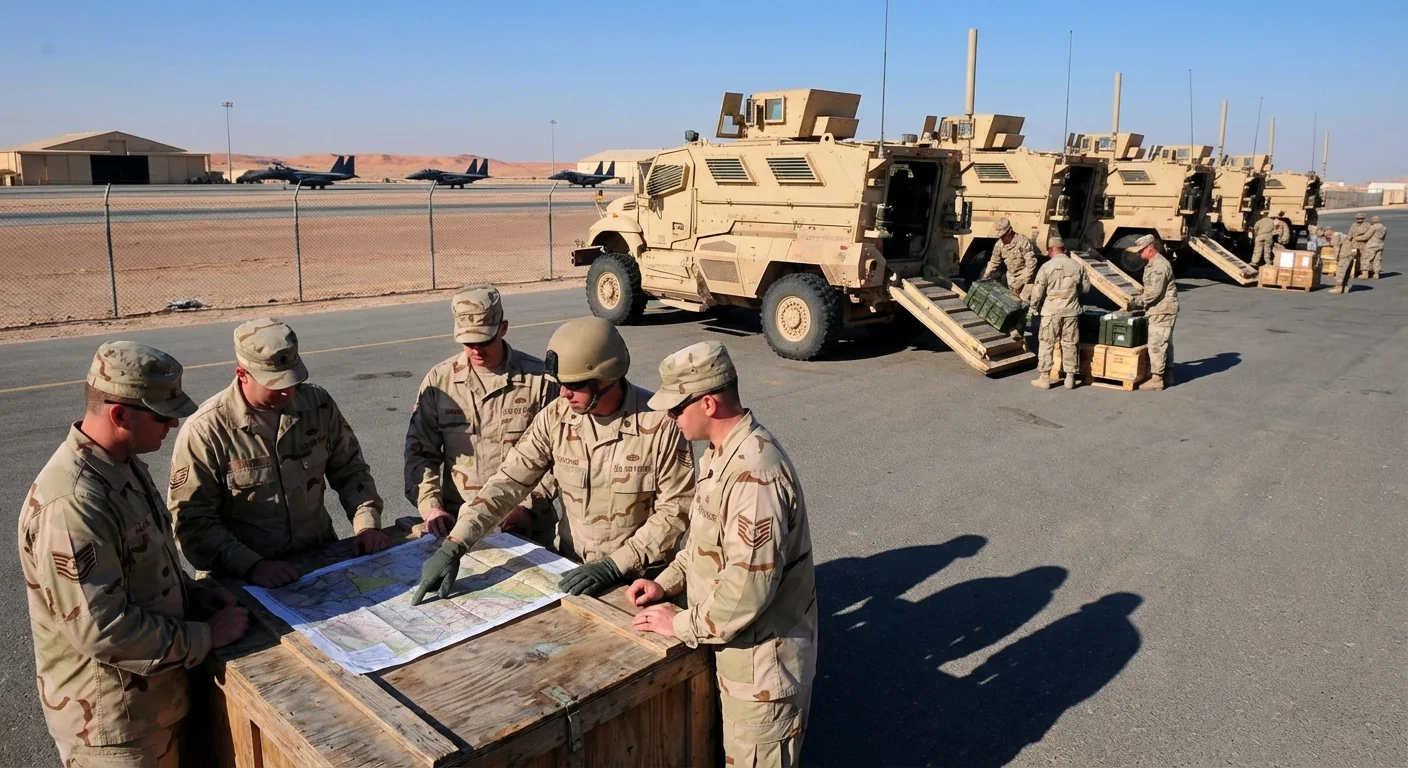
Al Udeid is the hub of U.S. air power in the Middle East. Tankers, surveillance aircraft, and command teams operate from there every day. Pulling some people now lowers the risk to families and support units. It also spreads key functions across multiple locations. That makes the force harder to hit, and easier to sustain, if the region tips into open conflict.
This is how the U.S. manages risk. Fewer people inside a high value target, more flexibility to surge or stand down, and fewer noncombatants in harm’s way. Think of it as moving chess pieces to keep the king safe, while keeping all options on the table.
The legal footing behind the move
This shift rests on well known authorities. The State Department can place posts on authorized departure, then ordered departure, when threats rise. Those decisions trigger benefits, travel orders, and protections for U.S. personnel and dependents. The Defense Department then executes the moves under Title 10, following established noncombatant evacuation doctrine, and in coordination with State.
Host nation consent is central. U.S. operations at Al Udeid run under defense agreements with Qatar. Every relocation, flight plan, and security measure must fit those agreements and Qatari law. That is how basing works, even in a crisis.
If combat starts, the legal picture shifts fast. The War Powers Resolution requires the President to notify Congress within 48 hours if U.S. forces enter hostilities. Congress will demand briefings and may set limits. Evacuation by itself does not trigger War Powers. It is a warning light, not the crash itself.
Contractors and third country nationals face different rules. Their status depends on contract terms, insurance, and local law. U.S. agencies can assist, but do not control all outcomes for non citizens. Families of service members and diplomats remain the first legal priority.
This is not a base closure. Flights, command functions, and security operations continue at Al Udeid while staffing adjusts.
What this means for U.S. citizens in the region
Embassies across the Gulf are updating security guidance. Consular teams are preparing to help if conditions worsen. You have rights to information, emergency services, and evacuation support, subject to capacity and safety.
If you are a U.S. citizen in Qatar or nearby, take simple steps now:
- Enroll in the Smart Traveler Enrollment Program to get alerts.
- Check your passport and visas. Keep them on you.
- Pack a small bag with medications, chargers, and key papers.
- Know your assembly point if an evacuation is called.
U.S. law allows repatriation loans if you cannot pay for emergency travel. Evacuation flights may allow only one small bag. Pets and firearms face strict limits under host country law. Expect security screening at departure points. Privacy rules apply, but safety rules come first in an evacuation corridor.
Keep your phone charged, keep fuel in your car, and keep one paper copy of your vital documents ready.

Signs of escalation or de-escalation to watch
Movements like today have a pattern. Here are the indicators I am watching next:
- Embassy status upgrades from authorized to ordered departure.
- New air defense deployments and dispersal of tankers from Al Udeid.
- Notices to air missions and maritime advisories that restrict routes.
- A War Powers letter to Congress, a strong sign of imminent hostilities.
- Activation of civilian reserve airlift, a clear indicator of scale.
Regional neighbors are on alert. They are tightening security and reviewing airspace control. That caution, paired with U.S. dispersal, can cool tensions if both sides pause. It can also speed action if the trigger is pulled.
The bottom line
Today’s partial evacuation from Al Udeid is a deliberate move inside the rules. It reduces risk to people, protects core missions, and preserves choice. The law shapes every step, from evacuation orders to host nation consent, to Congress’ role if force is used. Citizens have rights and support, but preparation is key. Stay alert, stay documented, and stay ready. This is a pivot, not a panic, and the next 48 hours will tell us which way the board tilts.