Government Shutdown Hits Homeland Security. Here Is What That Means Right Now.
The shutdown is real, and it started with Homeland Security’s funding running out. I can confirm the lapse has triggered a partial shutdown. This is not the whole government going dark. It is a targeted freeze that reaches airports, borders, cyber defense, and disaster response. Essential security work continues, but paychecks pause for many. The stakes are immediate.
What a Partial Shutdown Actually Does
Under the Antideficiency Act, agencies cannot spend money without Congress. They must stop non‑essential work when funds lapse. At Homeland Security, that means two tracks. Many frontline staff still report because their work protects life or property. Many others are furloughed and told not to work.
TSA officers, Border Patrol agents, Coast Guard crews, Secret Service agents, and cyber responders stay on duty. They are considered essential. They work, but they do not get paid until the shutdown ends. Support staff and public‑facing programs slow or pause. That includes training, grant processing, and some tech upgrades.
Other parts of the federal government that already have funding stay open. Social Security checks go out. The Postal Service runs. Courts and Congress keep working. The damage is narrower than a full shutdown, but the touch points are sensitive.
If you are an “excepted” DHS employee, you must report as directed, even without pay. If you are furloughed, do not work unless you get a written call‑back.
Travelers, Borders, and Disasters
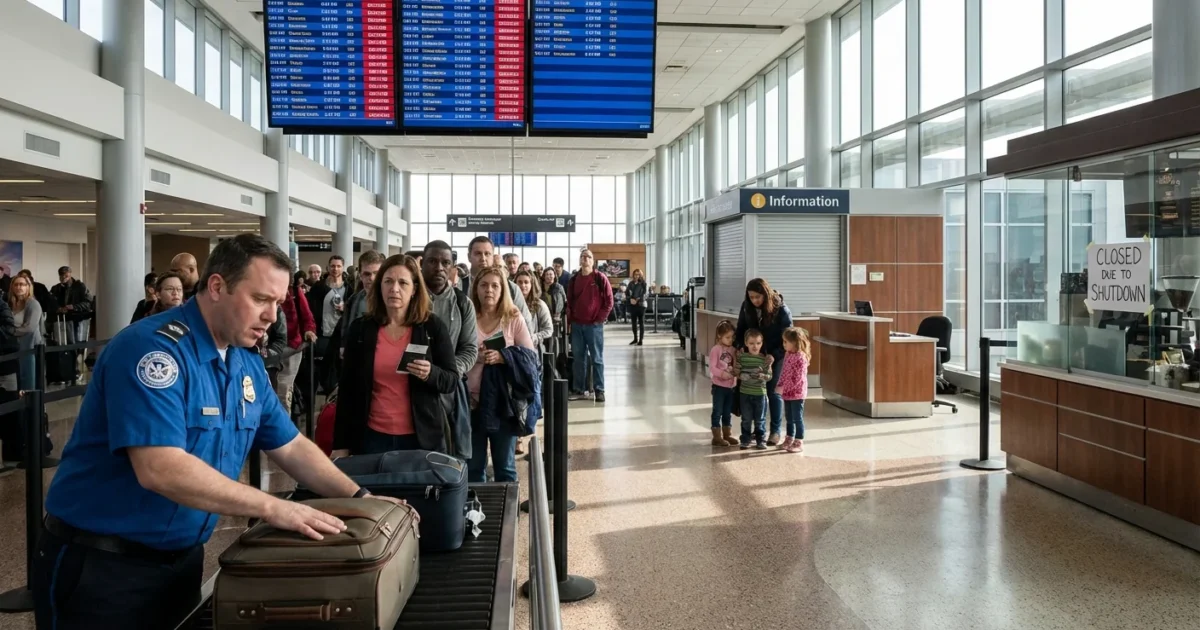
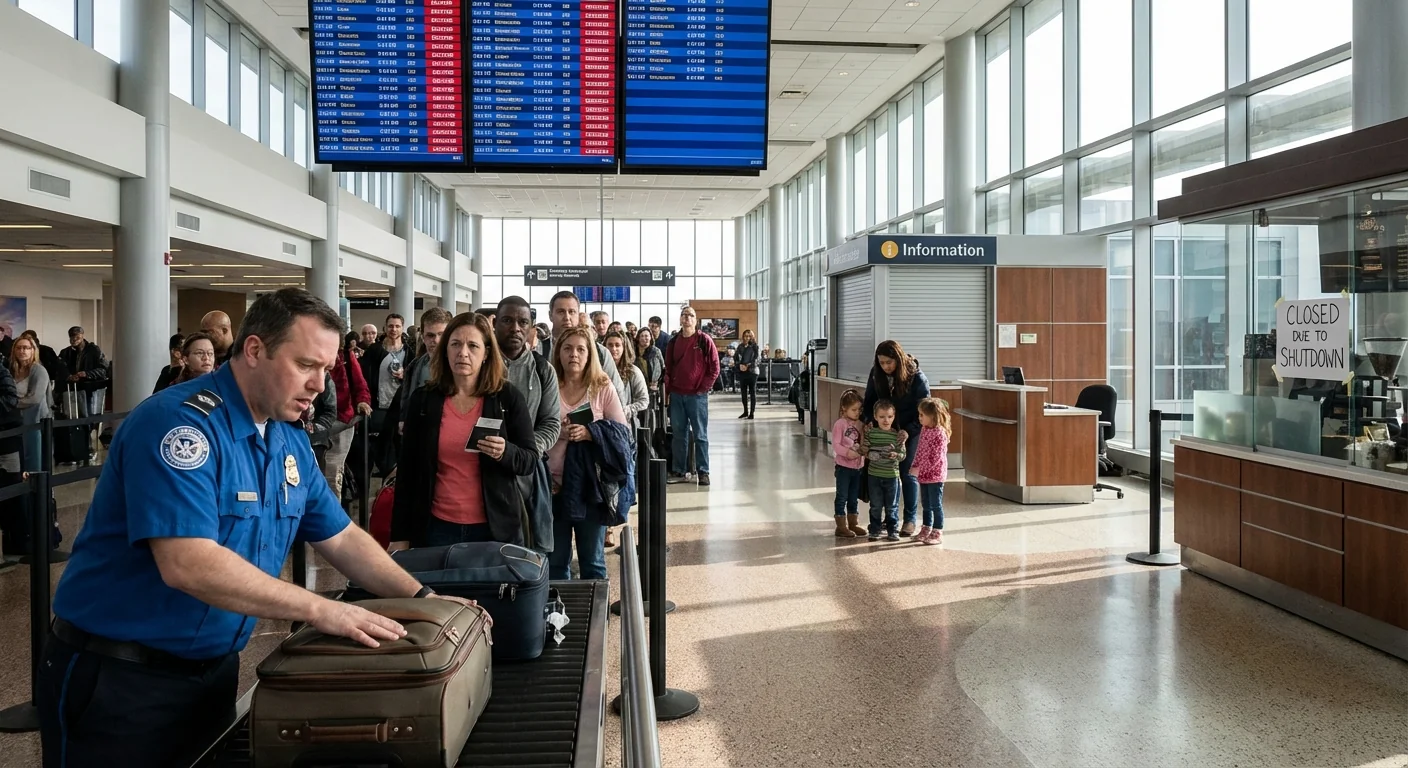
Airports stay open. TSA screens passengers and cargo. Expect longer lines if staffing is strained, especially at peak hours. Customs officers continue inspections at ports and airports. Global Entry interviews and other appointments may face delays. Back‑office verifications can slow down.
At the border, patrols and processing continue. Detention and removal operations continue. Immigration benefits that are funded by fees, like many USCIS petitions, keep moving. But support services tied to appropriations can lag.
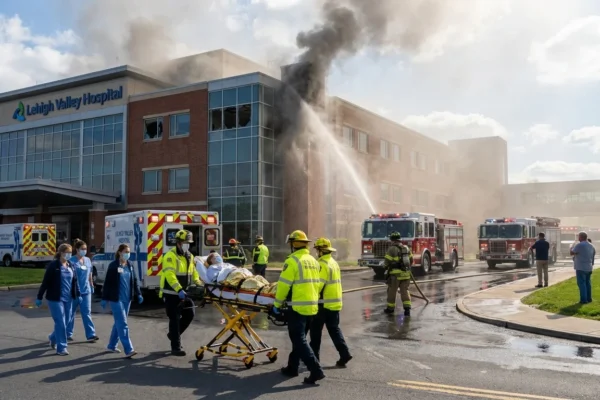
FEMA will respond to threats to life and property. Search and rescue missions go forward. Emergency operations centers stay staffed. Yet, some mitigation grants and reimbursements may pause until money flows again. Preparedness training and planning can also be delayed.
Cyber defenders at CISA remain on watch. They respond to active threats and incidents. Routine outreach and non‑urgent projects may be deferred.
- Airports: screening on, lines likely longer
- Borders: agents on duty, processing continues, some delays likely
- Disaster response: life and safety operations continue, grants may pause
- Immigration: fee‑funded benefits continue, appointments may shift
The Senate Move and the Path to Reopening
The Senate has passed a funding bill that tracks the White House’s position. That bill would restart Homeland Security if it clears the House and gets signed. The pressure now lands squarely on House leaders.
Here is the legal sequence to reopen DHS:
- The House passes the Senate bill, or a negotiated match.
- The President signs it into law.
- The Office of Management and Budget issues apportionments to DHS.
- DHS issues recall notices and pay guidance.
- Excepted staff and furloughed workers receive back pay on the next eligible cycle.
If the House amends the bill, the text ping‑pongs. That costs time. The shutdown continues until all steps are done. A very short stopgap could end the lapse quickly. A long‑term bill would settle the fight for the year. The decision is political, but the process is rigid.

Your Rights, Your Next Moves
Federal employees at DHS are protected by law. Under current statute, both furloughed and excepted staff receive back pay once funding is restored. Time and attendance rules still apply. Keep accurate records. Follow written orders from your component. If you are a contractor, back pay is not guaranteed. Check your contract and talk to your employer.
Travelers still have rights. Airlines must honor their own contracts and federal consumer rules. Bring valid IDs. Arrive early. Give yourself extra time for connections. If an airport line makes you miss a flight, speak to the airline at the gate. Keep receipts if delays cause out‑of‑pocket costs.
Communities should take note on grants and disaster funds. Reimbursements may slow. Urgent needs tied to safety are prioritized. City and state partners should document expenses and maintain contact with FEMA program officers.
Headed to the airport today, build in 30 to 60 extra minutes. Keep digital and printed copies of your itinerary and ID handy. 🙂
What to Watch Next
Watch the House floor. A straight vote on the Senate bill could end this quickly. Any detour to amendments risks a longer pause. Also watch for agency guidance. DHS components will issue detailed instructions on recall, pay timing, and public services.
The legal boundaries are clear. No funds, no non‑essential work. Essential functions continue, even without pay. Citizen services that rely on fees keep going. Everything else waits for Congress.
Conclusion
Yes, the government did shut down, but only in part. The impact sits inside Homeland Security, where security carries on and pay waits behind politics. The Senate has done its part. The House holds the next card. Until that vote lands, travelers should plan ahead, DHS workers should follow orders and record hours, and the public should expect slower service where law requires funding to flow first.