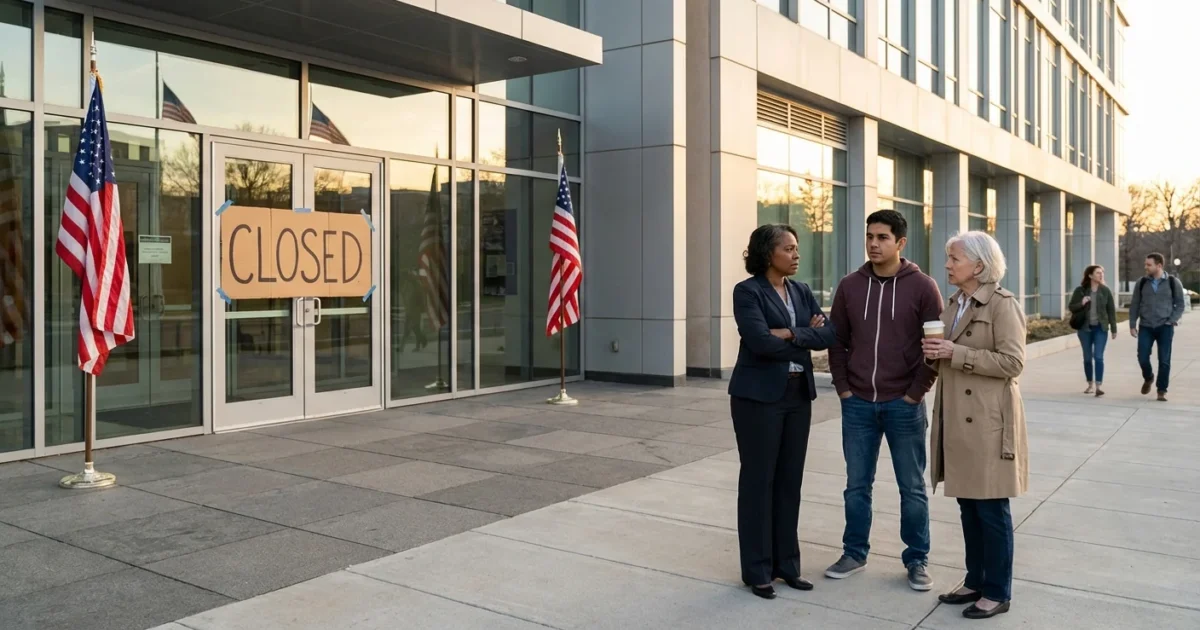
BREAKING: The federal government has entered a partial shutdown. Funding lapsed at the deadline. Key agencies have begun contingency plans. Essential services continue. Some public services are paused or slowed. I can confirm the shutdown started even as a late deal advanced in the Senate. That deal is not yet enacted. Until a final bill clears both chambers and reaches the President, the lapse in funding stands.
What just happened and why
Lawmakers moved late, but they moved too late. The Senate approved a funding package that aims to keep agencies open. It also sets up talks over immigration enforcement, including limits on ICE detention. But a bill is not law until both chambers pass the same text and the President signs it. That has not happened yet.
Under the Antideficiency Act, federal agencies cannot spend money without an active appropriation. They must stop nonessential work when funding expires. They can only continue work needed to protect life and property, or work tied to permanent funding. That is why this is a partial shutdown, not a full stop.
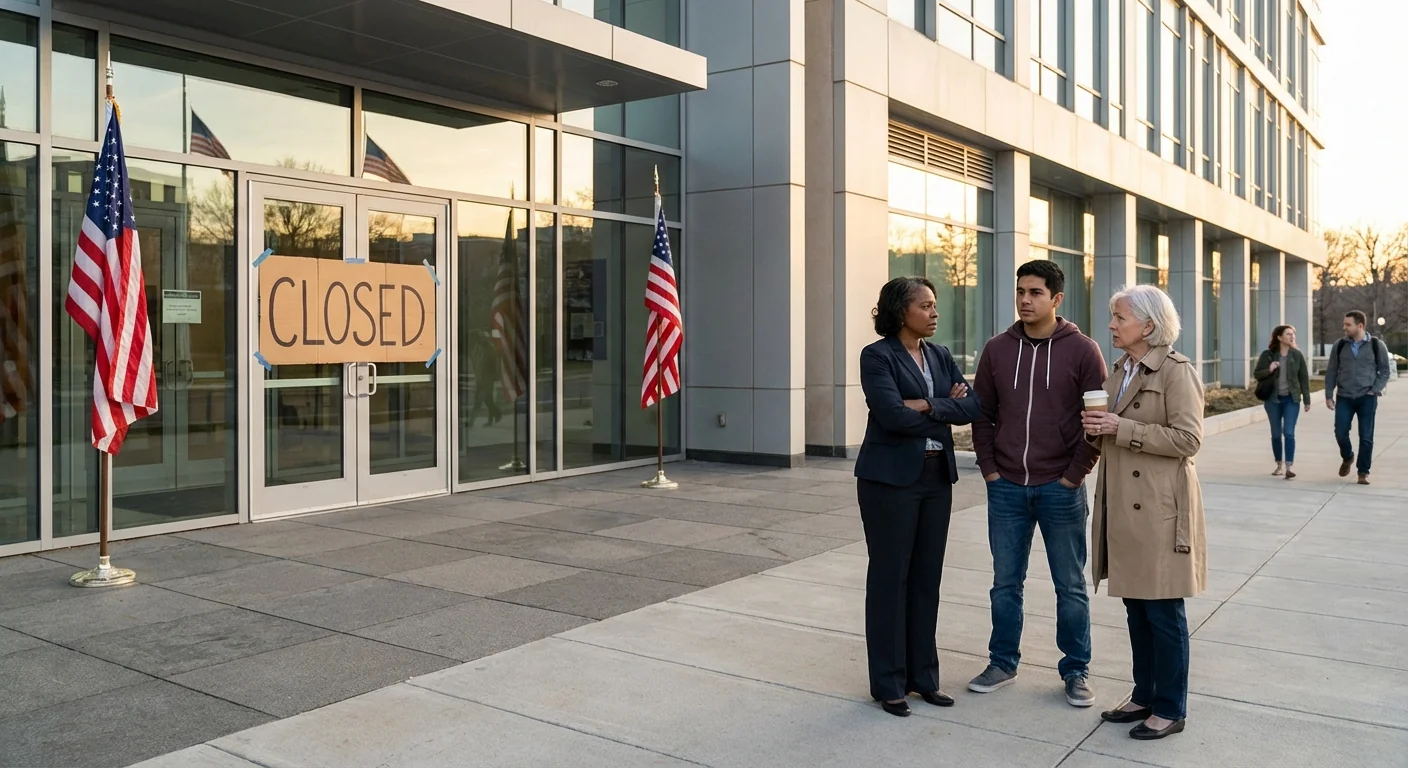
What is affected right now
If you receive Social Security or Medicare, your benefits continue. Mail delivery continues. Air traffic control continues. Military operations continue. Many other services slow or pause.
Here is what Americans may notice today:
- National parks and museums may close, or reduce services
- Passport and visa processing may face delays
- Small Business Administration loans and some permits may pause
- Agency hotlines, FOIA units, and grant offices may be offline
Your benefits like Social Security and Medicare continue. Do not skip medical appointments or stop filing claims.
Excepted federal workers must report to work, even without pay during the lapse. Furloughed workers are told to stay home. By law, federal employees will get back pay once the shutdown ends. Contractors are different. There is no automatic back pay for them unless contracts or future laws provide it.
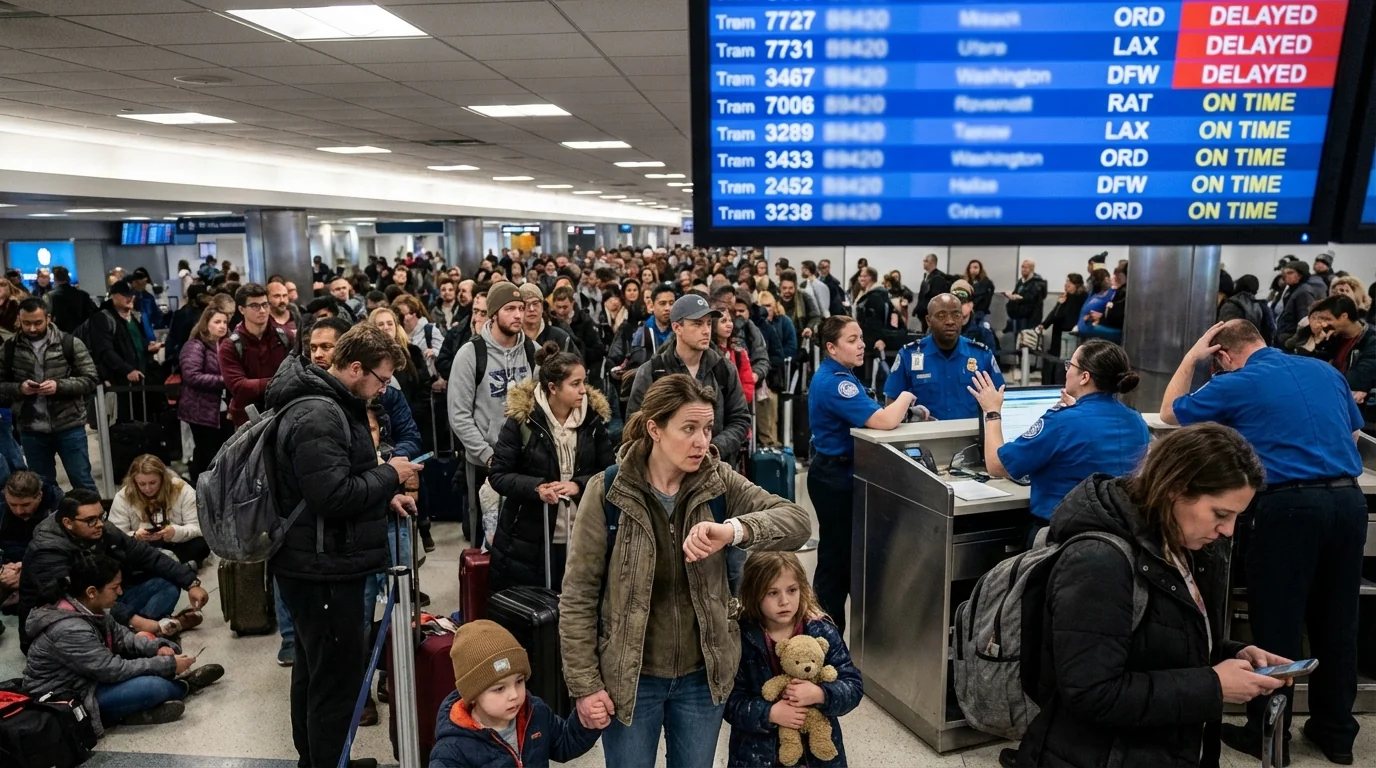
Airports remain open, but lines can grow if TSA staffing strains. If parks stay open without regular staffing, safety risks and closures can follow. Expect mixed rules across states, since each agency runs its own plan.
Beware of scams. No one can charge a fee to “unlock” your federal benefits because of the shutdown. If you get such a call, hang up.
What this means for federal workers and contractors
The legal lines are firm. Managers cannot accept volunteer labor. Employees cannot volunteer to work their regular jobs. Agencies can only carry out excepted work that protects life or property, or uses funds that do not lapse.
If you are furloughed, you are not allowed to perform duties. Keep your furlough notice. Track your hours once recalled. Back pay is guaranteed by federal law after the shutdown ends, for both furloughed and excepted employees. Pay will arrive on the next feasible payroll cycle.
Contract workers face a tougher path. Many will not be paid for idle time unless their contracts include stop work protections or Congress later acts. Document lost hours and instructions from contracting officers, and speak with your employer about leave options.
If a filing deadline arrives while an office is closed, file electronically if possible. Save proof of submission or attempted submission. Agencies often extend deadlines after a lapse, but you need a record.
The policy fight behind the lapse
The spending plan moving through the Senate ties funding to talks over ICE detention limits and related enforcement. That policy fight sits inside broader appropriations. Shutdowns increase pressure on both sides, but they also risk real damage to services and paychecks. The longer the lapse lasts, the more costly the restart becomes. Even a brief shutdown slows permits, refunds, scientific work, and hiring.
This is not a clean budget debate. Policy riders shape how money can be used. Immigration enforcement is only one example. Environmental reviews, public health programs, and education grants can all be touched by these terms. That is why late changes can derail the clock, even when there is broad desire to keep the lights on.
The next 24 to 48 hours
Expect fast movement. The House must align with the Senate language or send it back. The text then must be enrolled and sent to the President. A signature ends the lapse. Agencies would then recall staff and restart paused services. Back pay processing begins, though payroll timing will vary.
If Congress finalizes the deal quickly, the shutdown should be short. Delays would grow if the package changes, or if policy terms shift. For now, plan for limited disruptions and some lines. Keep receipts, keep records, and check your agency or program website for updates.
Conclusion: The government is partially shut today, but a path to reopen is on the table. Essential services are running. Some public services are slowed. The legal rules are clear, and your core benefits remain intact. I will continue to monitor the votes and the signature. The moment funding is enacted, agencies can turn the lights fully back on. Stay tuned.