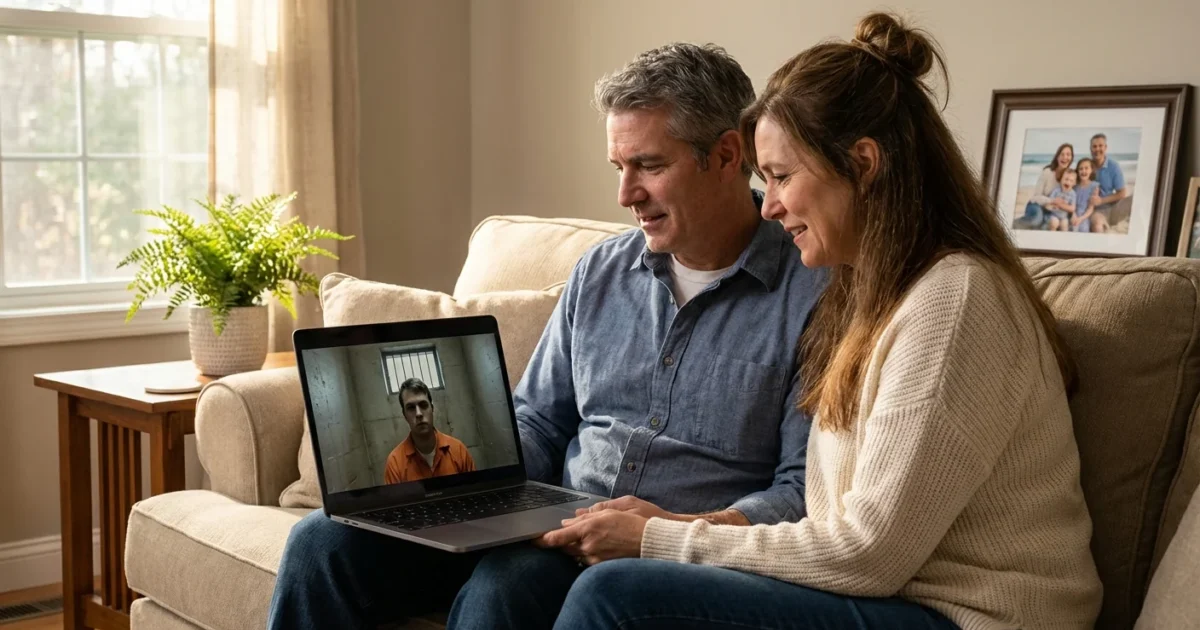
Tyler Robinson case jolts the courts and families alike. I can confirm that Tyler James Robinson, 22, is being held without bail on aggravated murder and related charges in the killing of activist Charlie Kirk at a Utah rally in September. His parents recognized him in FBI images, helped secure his surrender, and, today, continue to visit him virtually in jail. The human cost and the legal stakes are rising together.
What we know now
Prosecutors say the fatal shot was fired from a rooftop about 142 yards from the event. The state has told the court it will seek the death penalty. Robinson faces counts that include aggravated murder, firearms offenses, obstruction, and witness tampering.
A judge has adjusted courtroom rules to protect the presumption of innocence. Robinson may appear in civilian clothing. He will remain restrained for security, but cameras are barred from showing restraints or his entry and exit.
The court has set a preliminary hearing for January 16, 2026. An arraignment is scheduled for January 30, 2026. Both are set for the Utah County Courthouse at 1 p.m. Mountain time.
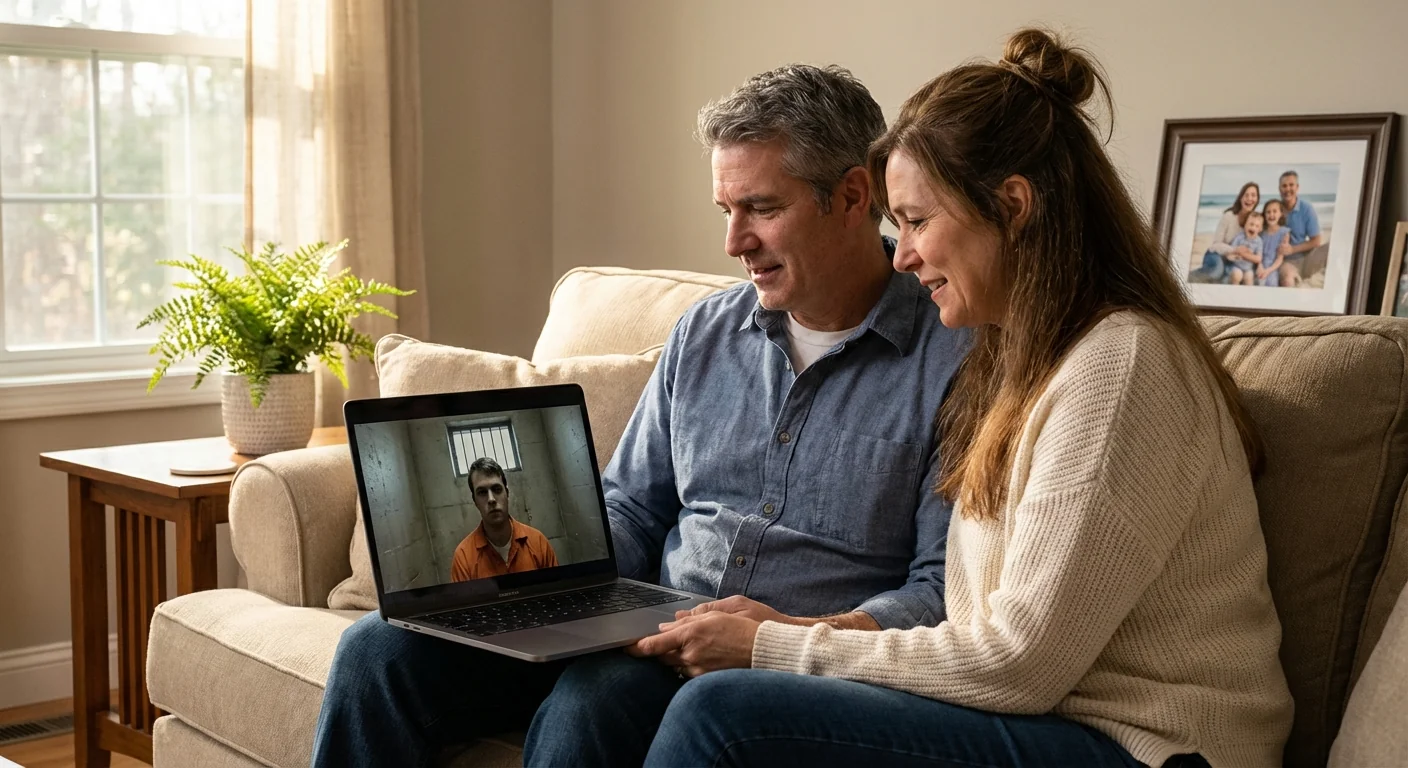
Family involvement sits at the center of this case. After seeing released images, Robinson’s parents acted quickly. They worked with a trusted former detective and helped their son surrender. They now maintain virtual contact while he remains jailed. Their choice is both a moral act and a legal fact, and it will likely make them key witnesses.
Parents as informants and supporters
There is no law that bars parents from visiting an adult child in jail, unless a court issues a no contact order. Jail calls and video visits are monitored and recorded. That record can become evidence. If prosecutors call the parents as witnesses later, their contact will be scrutinized, not banned.
This dual role forces a civic question. Can the same people who turned in a suspect also support him as he awaits trial. The answer in our system is yes. The law asks for truth from witnesses and fairness for the accused. Families must live with both.
Presumption of innocence applies to every accused person, in every courtroom, in every case. ⚖️
Court safeguards and citizen rights
Judges must balance three duties. They must protect the defendant’s fair trial rights. They must ensure safety in the courtroom. They must keep proceedings open to the public unless a narrow rule says otherwise.
Here is what that means now:
- Civilian clothing reduces bias for jurors who will later see images from pretrial stages.
- Restraints stay on for safety, but images of restraints are limited to protect fairness.
- Public access continues, with rules for cameras and decorum.
For citizens, several rights are in play. You have a right to attend most hearings. You have a right to peaceable assembly outside the courthouse. You have a right to speak about the case. Those rights stop at threats, harassment, or attempts to taint a jury pool. Courts can issue protective orders if needed.
Check the court’s online calendar before attending. Follow security rules, and never record where cameras are restricted. 🧑⚖️
[IMAGE_2]
Rumors, records, and relevance
Investigators have received cooperative information from Robinson’s roommate and romantic partner. Some claims about the suspect’s personal life have spread online. Many remain unverified and may never be admitted in court. Evidence is what matters. Motive will be argued with actual messages, timelines, and physical proof. The witness tampering charge signals that the state believes there were efforts to interfere with the process. The details will arrive in filings and at hearings, not in comment threads.
Policy stakes beyond one case
This case will fuel a hard review of security at political events on campuses and public grounds. Expect officials to revisit rooftop access, line of sight scans, and interagency intel sharing for high profile speakers. Universities will face questions on crowd screening and perimeters for outdoor venues.
Utah’s capital case track will also get close attention. Seeking death requires notice, aggravating factors, specialized counsel on both sides, and a longer timeline. Victims’ rights laws ensure the Kirk family is heard. The court must still shield a fair jury pool.
Finally, the role of families in safe surrenders deserves support. Tip lines, immunity rules for those who are not suspects, and trauma counseling can help parents do the right thing without fear.