Paraguay is on the clock tonight. Asunción is hosting the FIBA U17 South American Championship, and the city’s streets are still filled with young protesters calling for political change. The sports spotlight meets a civic stress test. The result is a live trial of law, policy, and public rights, in real time.
[IMAGE_1]
The arena and the streets, at once
The tournament runs December 10 to 14 at SND Arena. It decides who moves on to the 2026 U18 AmeriCup. Nearby, Gen Z crowds are pressing for the removal of President Santiago Peña and firm action on corruption. These are the biggest demonstrations since 2021. The contrast is sharp. Youth athletes compete under rules and refs. Youth citizens demand rules and fairness in government.
The legal stakes are clear. Paraguay must balance freedom of assembly with event safety. That means time, place, and manner limits that are content neutral. It means any police order must be lawful, necessary, and proportionate. It also means no prior restraint on peaceful speech. The Constitution and international human rights standards both apply.
Know your rights if you attend a protest. Peaceful assembly is protected. You have the right to record public officials in public spaces.
Protest policing and due process
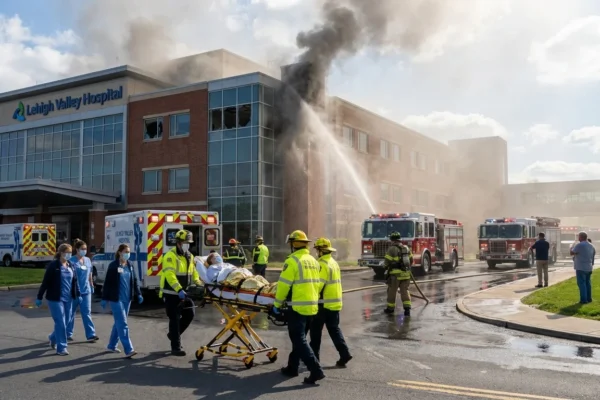
Event weeks can tempt heavy-handed control. The standard cannot shift just because cameras are on the city. Use of force must remain a last resort. Rubber bullets, chemical agents, and kettling raise legal risk if used without strict necessity. Detentions must be logged, reasons given, and access to counsel provided without delay.
If authorities set protest buffers near the arena, they should be narrow and clearly posted. Blanket bans invite legal challenge. Media access also matters. Journalists, including freelancers, must be free to document protests and public operations, subject to reasonable security screening at venue gates.
If you are detained, you have due process rights. You can ask for the legal basis for your arrest, contact a lawyer, and speak to your family. Courts are on notice. Any pattern of arbitrary detention or excessive force could trigger urgent filings for habeas corpus and precautionary measures.
Courts can and should demand rapid disclosure from police during protest periods. Body camera logs, detainer lists, and medical reports help prevent abuse.
Reform promises meet investor pressure
Paraguay has advanced capital market reforms and now carries investment-grade recognition. That status brings pride, and it brings scrutiny. Disclosure rules, anti-corruption enforcement, and real sanctions are not optional. If the government wants deeper local bond markets, regulators must insist on timely filings, beneficial ownership transparency, and swift penalties for false statements.
Energy is the next pressure point. Officials say the country needs about 5 billion dollars in new investment by 2030 to avoid power shortfalls. That will likely move through concessions, PPPs, and procurement. The law must do three things at once. It must protect the public purse, guarantee open competition, and ensure environmental review before shovels hit the ground.
Citizens have the right to see the terms. Contracts, risk models, tariff paths, and social impact plans should be published. Hearings should be real, not ceremonial. Access to public information, already guaranteed by law, belongs at the center of every major deal.
[IMAGE_2]
Fast-track approvals can backfire. Skipping public comment or cutting environmental review invites litigation and delays projects for years.
Culture, expression, and the global stage
World Cup qualification has lifted national pride. Cultural figures, including Larissa Riquelme, are back in the spotlight. This is a season of big audiences. That is good for speech. It is also a test of tolerance. Authorities must protect expression that is peaceful and lawful, even when it is loud, funny, or critical.
At the arena, minors compete. Their welfare rules apply. That includes safe lodging, vetted transport, photography limits without consent, and quick medical access. Sports bodies and local officials share the duty to make that standard real.
What to watch this week
- Any court orders on protest detentions and police conduct
- Government security guidelines around SND Arena and fan zones
- New procurement notices tied to power projects and grid upgrades
- Event codes of conduct for media and fan interactions with youth teams
The bottom line
Paraguay is on display. The basketball is fast, the politics are tense, and the economy is at a turning point. Rights, rules, and real accountability will decide what the world remembers, long after the final buzzer.