BREAKING: North Korea Fires New Missiles, Raises Urgent Legal and Civic Questions
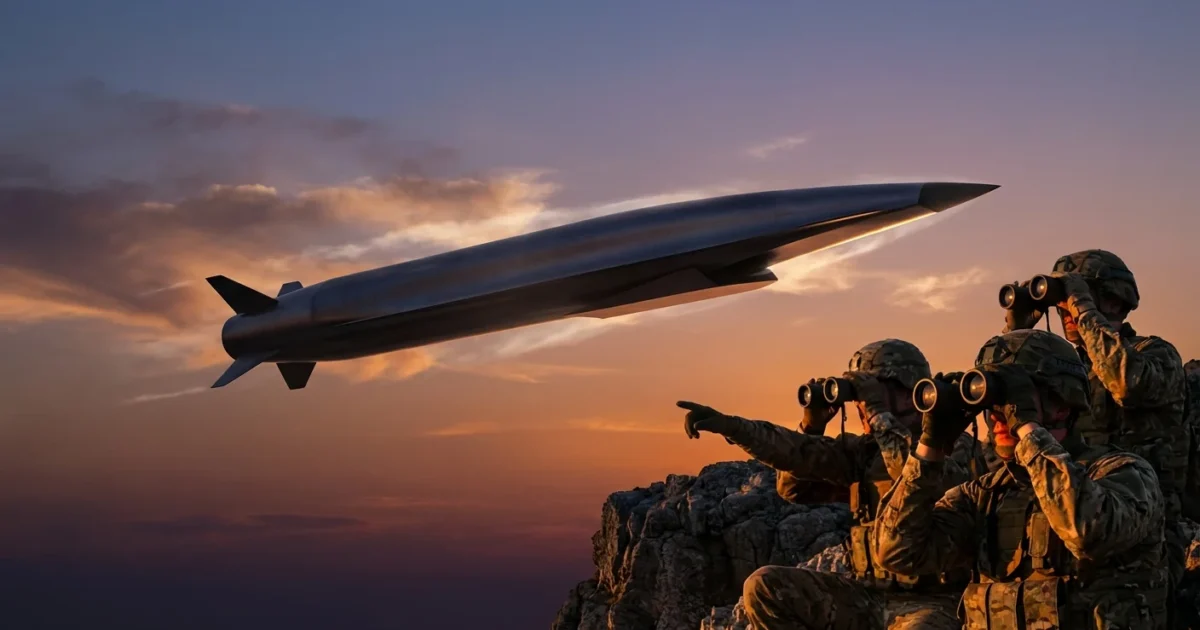
North Korea launched multiple ballistic missiles into nearby waters in the past day. I can confirm the tests included a system officials there call hypersonic. The timing was sharp. A senior South Korean leader was in China for talks as the tests began. The message is pointed, and the legal stakes are high.
What Happened, and Why It Matters
The missiles flew over short windows and splashed down in the sea. No damage has been reported in neighboring countries. But the launches defy binding United Nations Security Council resolutions. Those resolutions prohibit North Korea from any ballistic missile activity.
Hypersonic is a speed label and a flight concept. It means the weapon can travel faster than five times the speed of sound. Some designs also glide and maneuver in the upper atmosphere. That makes them harder to track and intercept. It also squeezes reaction time for defense systems.
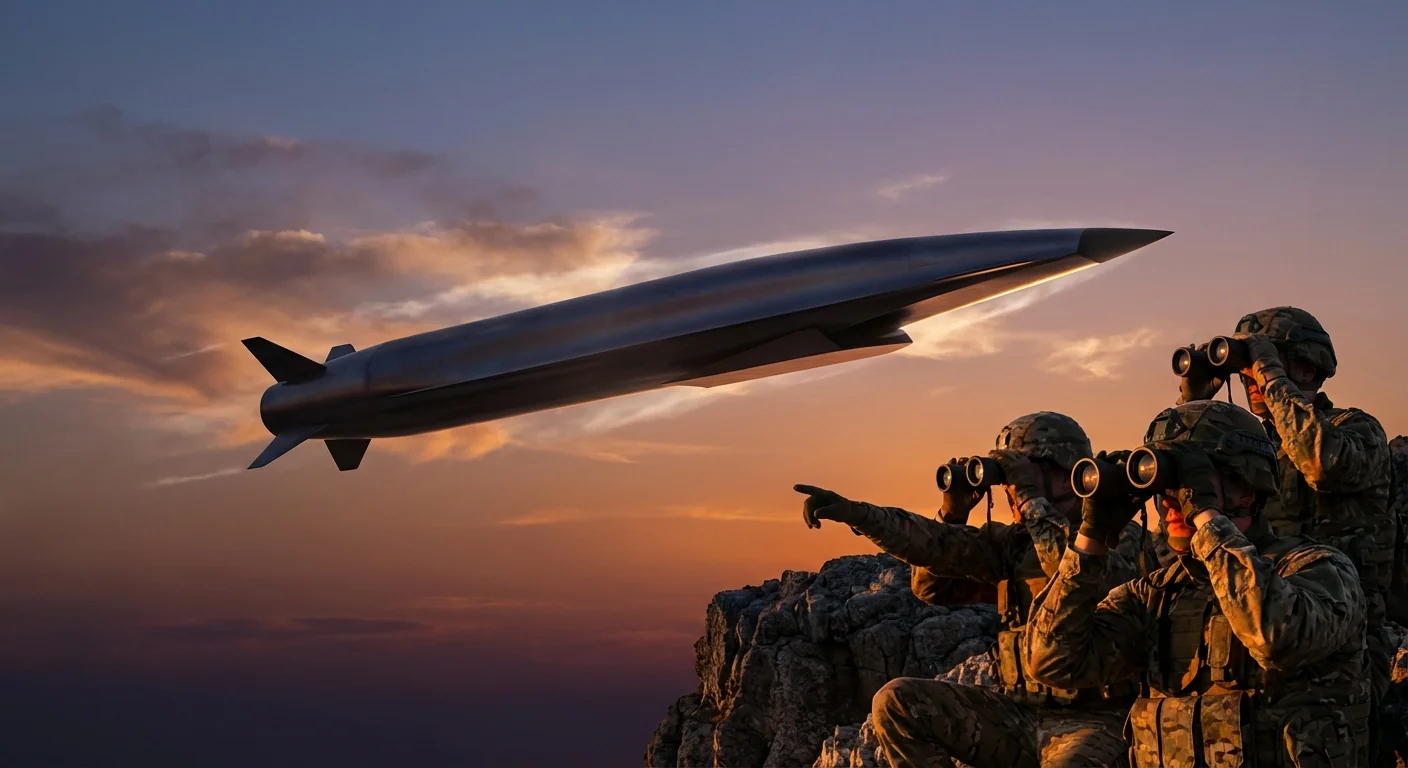
Ballistic launches in this area create hazards for aircraft and ships. They also violate UN measures that carry global legal force.
The Law, Plain and Clear
North Korea is under Chapter VII sanctions. Those measures restrict its arms programs, finance, and trade. States must enforce them through customs, banks, and export controls. Launches continue to violate those rules. Each test adds to the record for future legal action.
Overflight raises another layer. If a missile passes near a country’s exclusive economic zone, that state may issue alerts to protect ships and planes. These zones do not give full sovereignty over the air. But coastal states still have duties to warn and to safeguard traffic.
Regional governments can respond under Article 51 of the UN Charter, which preserves self defense. That does not greenlight any strike. It does support defensive deployments, tracking, and intercept tests. It also supports stronger joint drills, if they are defensive in nature and clearly communicated.
Government Policy Now in Motion
Expect a fast mix of defense steps and legal moves. Officials will weigh more missile defense assets and more sanctions work. They will also push for better tracking of dual use parts that feed North Korea’s programs.
Policy levers now on the table:
- Tighter export controls on microelectronics and machine tools
- Maritime inspections in line with the Proliferation Security Initiative
- Joint drills and data sharing for missile warning
- Fresh listings of front companies and crypto wallets
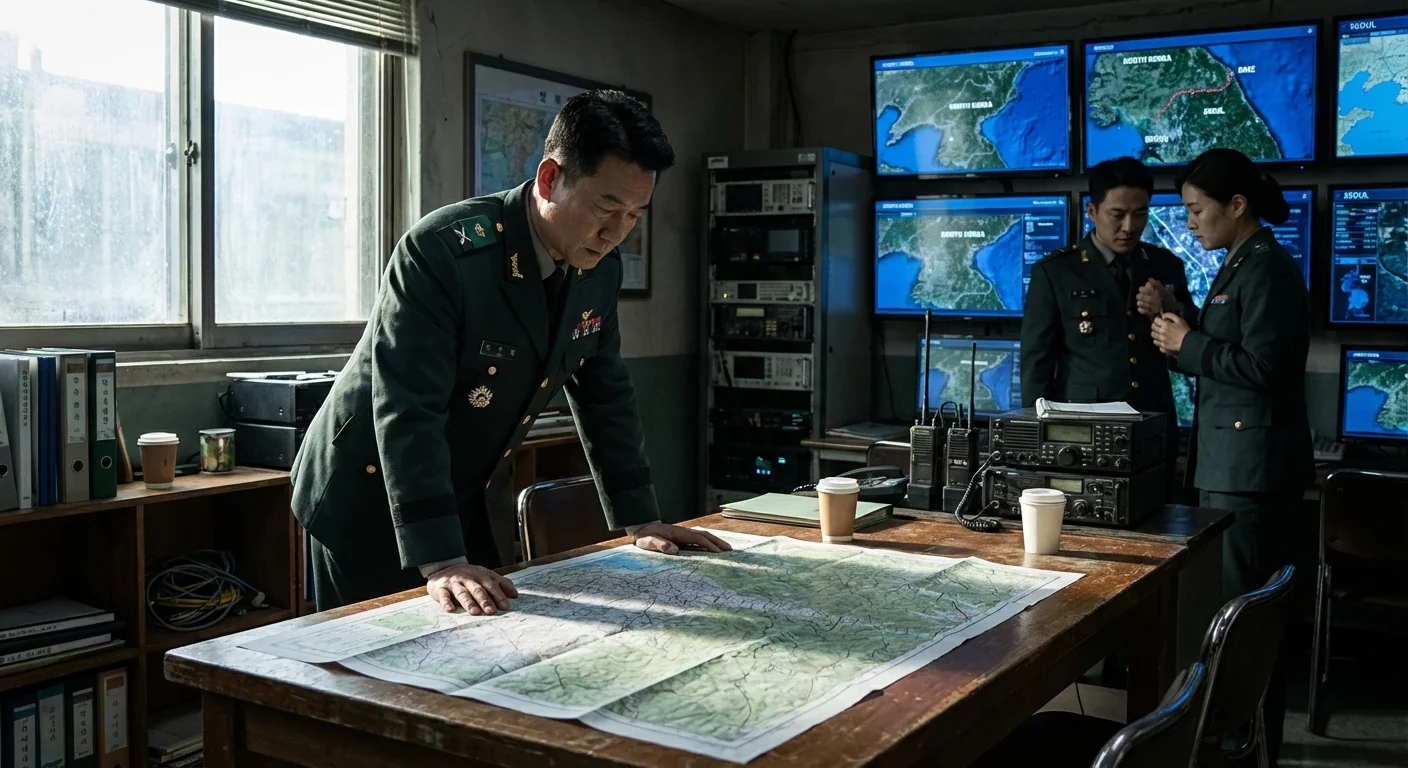
The timing matters. Pyongyang launched as Seoul and Beijing held high level talks. That adds pressure on regional diplomacy. It aims to test gaps between partners and complicate any common response.
Citizen Rights and Duties Amid Rising Alerts
Sirens, push alerts, and train pauses may return in Japan and South Korea. In the United States, Pacific units will heighten watch. These steps affect daily life. They must still respect rights.
Governments should keep emergency measures narrow and time bound. Public notices should explain what is happening, and why. Any expanded surveillance or data use must have a legal basis. It should include oversight by courts or independent bodies. Peaceful protest remains protected in democratic states, even during security alerts. So do press rights and access to information, within lawful limits.
Companies have special duties. If you handle sensitive tech, check your export screening now. Contracting with defense agencies also brings audit rights for the state. That means more scrutiny of records and networks.
Turn on official emergency alerts. Review school and workplace shelter plans. Check travel advisories if you fly over Northeast Asia.
What Hypersonic Claims Mean for Defense and Law
If North Korea is fielding a maneuvering hypersonic system, interception gets harder. Regional defenses may need more sensors, more layers, and more cross border data. That raises budgets and civil liberty questions. Large radar sites and new interceptors also affect local communities. Public hearings, environmental reviews, and procurement oversight matter. They keep spending lawful and transparent.
The legal frame is not new. UN resolutions set the red lines. But hypersonic designs stress the system. Flight times shrink. Warning windows close. States will push for faster launch detection and better civil alert networks. They must do it without drifting into permanent emergency powers.
The Bottom Line
North Korea is using visible tests to send a message. It is signaling resolve during high stakes diplomacy. The tests are unlawful under UN measures. They also pose real risks to air and sea safety. Regional governments will answer with law, with defenses, and with tighter controls on parts and finance.
The public has a stake in how that response unfolds. Security can rise without dimming rights. Watch for quick UN consultations, sharper sanctions enforcement, and new defense deployments. The legal path is set. The policy test is how to enforce it, protect people, and avoid miscalculation in a crowded sky.