BREAKING: “Noriega” talk surges. Here is what the law really allows, and what it does not.
Calls to replay 1989 are back. Some leaders are invoking Manuel Noriega’s fall as a model for dealing with Venezuela’s Nicolás Maduro. I am cutting through the noise. The Noriega template does not fit the facts, the law, or the risks we face today. And trying it would put civilians, regional stability, and citizen rights in danger.
Why Panama 1989 does not fit Venezuela today
Operation Just Cause removed Noriega. It was a large U.S. invasion of Panama. It ended with Noriega in U.S. custody. It also left many civilians dead and a legal debate that has never cooled.
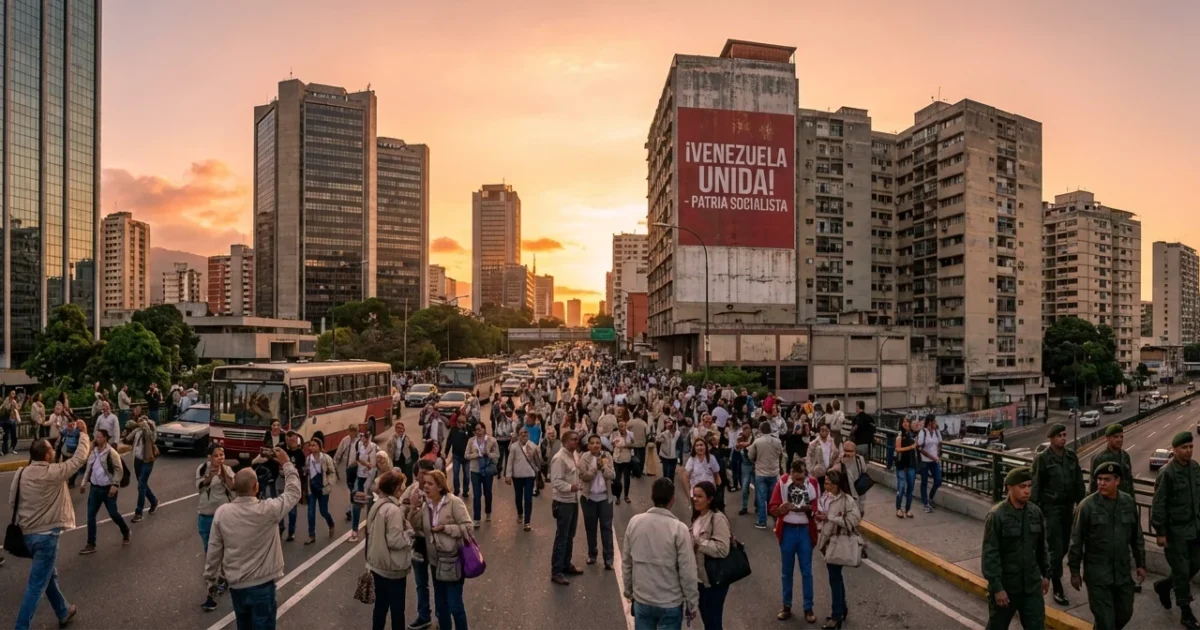
Venezuela is a different reality. It is larger, more urban, and more fortified. Its security services are entrenched. It has foreign backing. Any strike would be longer, bloodier, and far more destabilizing. It would also crash regional diplomacy and disrupt oil markets.
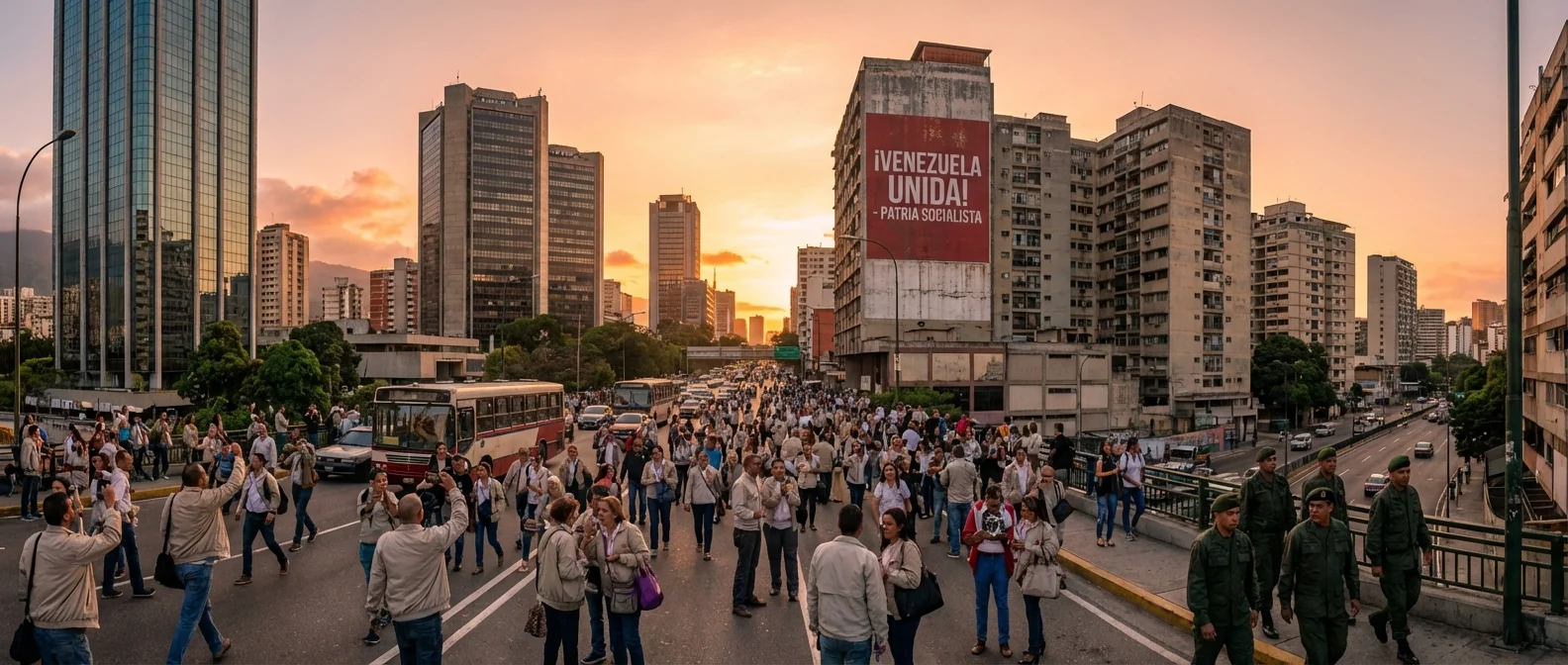
Here are the key differences that matter for law and policy:
- Size and terrain, Venezuela is vast, dense, and hard to control.
- Security state, layers of military, intelligence, and militia.
- Foreign links, outside training and equipment raise the costs.
- Regional stakes, borders with neighbors, big refugee flows, oil shock risk.
Do not confuse a quick arrest in Panama City with an urban war across Venezuela. The scale is not the same.
The law, plain and simple
The United Nations Charter bans the use of force, except for self defense or with Security Council approval. Panama in 1989 was defended by U.S. officials on shaky grounds. They cited threats to U.S. citizens and treaty duties. Many legal scholars still call it unlawful. That unresolved debate is a warning, not a green light.
Applying force in Venezuela would need a clear legal basis. There is no current Security Council mandate. Self defense would require an armed attack or an imminent one. Mere hostility does not qualify. Help to an armed opposition would breach the duty of non intervention. A unilateral seizure of a foreign leader would violate sovereignty and likely the U.N. Charter.
In the United States, the Constitution places war powers with Congress. The President cannot launch a major operation without authorization, except to repel a sudden attack. The War Powers Resolution also requires notice and a vote for sustained hostilities. Any Noriega style plan would demand open debate, a public vote, and strict oversight.
On arrests, claims of U.S. kidnappings in Venezuela misuse the facts. Indictments can be valid. Extraditions and negotiated swaps are lawful tools. Abductions from foreign soil without consent would break international law and invite retaliation. The Justice Department’s own policies reject that path.
Extradition is a legal process between states. Kidnapping is a crime. Mixing the two is not analysis, it is error.
Citizen rights at stake
American voters have a right to know before troops deploy. Members of Congress must vote, hold hearings, and set limits. Protest is protected speech. So is advocacy for peace or for accountability. Families of service members deserve clarity on mission scope and exit plans.
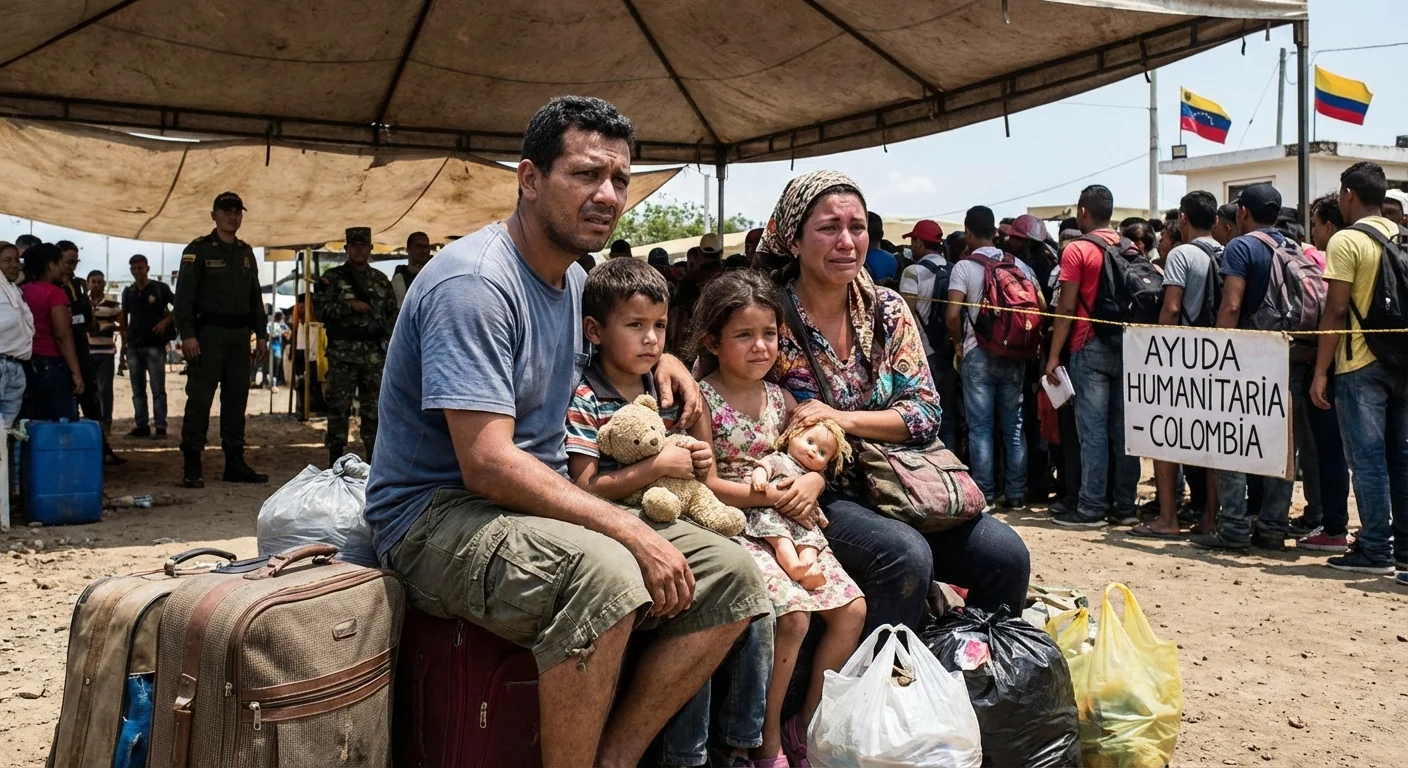
Venezuelan civilians would carry the greatest risk. They have a right to life and to humanitarian aid. Combat in cities would endanger hospitals and schools. Refugees would seek safety in Colombia, Brazil, the Caribbean, and the United States. Asylum seekers have due process rights. If arrests occur, detainees must receive consular access under the Vienna Convention and a fair trial.
Ask your representatives to demand any use of force be debated and authorized. War by slogan is not lawful war.
What Washington can do instead
There are real tools that match law, prudence, and pressure. They are slower than an invasion. They are also far safer.
- Build a regional front through the OAS and partners. Tie support to concrete reforms and free elections.
- Tighten targeted sanctions on corrupt elites, while expanding licenses for food, medicine, and fuel for humanitarian use.
- Support criminal cases against human rights abusers. Use Global Magnitsky sanctions, and back international investigations.
- Protect refugees. Expand Temporary Protected Status, speed work permits, and fund host communities in the region.
Guardrails for any pressure
Humanitarian channels must stay open. Banks and shippers need clear licenses. Prisoner swaps should include transparency and due process. Maritime interdictions require consent or a lawful basis on the high seas. Cyber actions must avoid civilian infrastructure. Every step should lower harm, not raise it.
The bottom line
The Noriega analogy is a shortcut that fails. It ignores law, scale, and human cost. A Panama style operation in Venezuela would be unlawful without clear authority. It would be costly, bloody, and likely counterproductive. The smarter path is strict law, strong coalitions, precise pressure, and open doors for civilians. That is how you move a crisis without lighting a region on fire.