

BREAKING: New video in Alex Pretti shooting puts federal tactics and public rights under a sharper lens
I have reviewed a newly surfaced video tied to the shooting of Minnesota resident Alex Pretti by federal agents. The clip captures a different angle of an earlier scuffle involving Pretti and agents, only blocks from where Renee Good died. This fresh view is already reshaping questions about force, command decisions, and oversight. The agents involved in the shooting are now on leave while investigations move forward.
What the new video shows
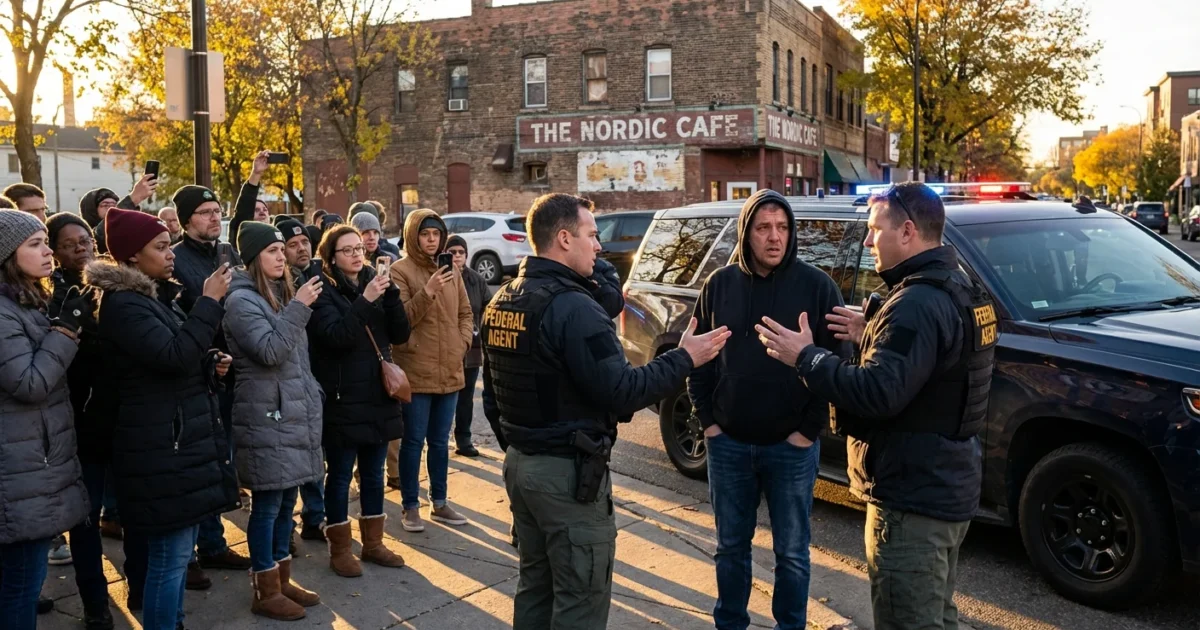
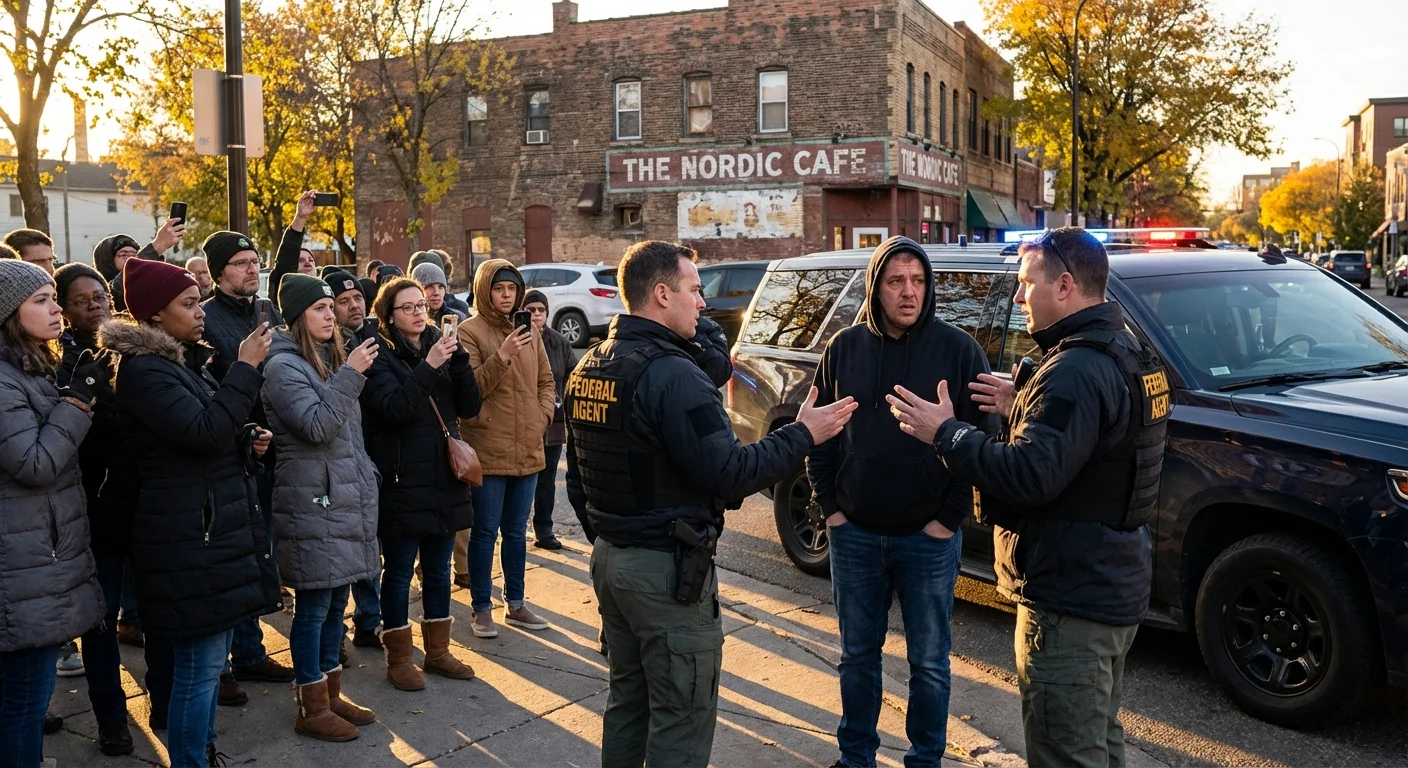
The video does not show the shooting itself. It shows the seconds and minutes before it. It adds a second angle to a physical struggle with agents, and it makes the sequence clearer. You can see a fast escalation, raised voices, and a scramble to control the scene. You also see bystanders react, then keep filming.
The point of the clip is not spectacle. It is evidence. It will sit at the center of use of force reviews, potential criminal inquiries, and a likely civil case. It will also inform the public’s judgment of how federal agents exercise power on city streets.
Video can mislead when clipped or stripped of context. Authentication, time sync, and full scene mapping are essential before drawing firm conclusions.
Why this clip matters in law
The legal lens starts with the Constitution. Use of force by law enforcement is judged under the Fourth Amendment. The standard is objective reasonableness, based on what a reasonable officer saw in the moment. The new angle may change that view.
Investigators will align this footage with other evidence. That includes radio traffic, officer reports, any body camera recordings, and physical evidence on the ground. If the clip shows a threat level different from what agents described, it could become a pivotal piece in any charging or declination decision.
For a civil suit, the path is tougher when federal agents are involved. Recent court rulings have narrowed lawsuits against federal officers. Traditional Bivens claims have been cut back, and some families are steered toward the Federal Tort Claims Act, which has limits of its own.
Federal courts have tightened the path to sue individual federal agents for constitutional violations. That legal reality raises the stakes for internal discipline and transparent policy fixes.
Accountability and policy pressure
Placing agents on leave is standard after a shooting. It protects the integrity of the investigation and the safety of all involved. The larger question is what the video reveals about federal tactics and command culture.
There is already strain inside federal homeland security structures about tactics, oversight, and information sharing with local partners. Task forces bring federal authority to local streets, but they can blur accountability lines. When an incident turns deadly, the public often struggles to know who was in charge and which rules applied.
Expect sharp focus on three policy fronts. First, body camera coverage for federal agents, including when working with local task forces. Second, prompt public release of critical footage under clear timelines. Third, independent review that does not rely only on agency self-investigation.
A credible review must answer basic questions:
- What threat did agents perceive at each moment
- What specific commands were given, and by whom
- What alternatives to lethal force were considered
- How did coordination with local authorities work on scene
Citizen rights and responsibilities
You have the right to record police in public, from a safe distance. You have the right to keep that recording. You also have the right to share it. Those rights matter most in moments like this, when multiple angles can build a fuller truth.
Be careful about claims that a clip is AI generated. False alarms can drown out valid evidence, and real deepfakes do exist. Officials should authenticate the file through standard forensic steps. That work should be public facing and prompt.
If you hold relevant video, preserve it. Do not edit the original. Do not add filters or captions to the master file. Keep the device and any cloud backups unchanged. If investigators request it, you can ask for a receipt and a copy.
Preserve the original file with date and time. Back it up. If you share, share a copy, not the master.
Public records laws are tools here. Minnesota’s data practices law covers local and state records, including any state body camera footage. Federal records fall under FOIA. Families and the public can use both to push for timely disclosure, while protecting sensitive personal details.

What happens next
Here is the likely path. A state level investigative unit gathers evidence. Federal authorities review agent actions for criminal exposure and policy compliance. Prosecutors, state and federal, decide on charges or declines. The agency conducts an internal use of force review. Civil litigation choices follow, framed by the demanding rules for suing federal actors.
The new video does not end the story. It sets the agenda for the next phase. It will test whether federal and local leaders choose transparency over delay. It will test whether policy reforms on cameras, task force rules, and public release timelines move from paper to practice.
The public deserves a full, fair accounting. Alex Pretti’s family deserves answers grounded in evidence, not rumor. With this new angle in hand, the law and those who enforce it face a simple test. Show the facts, apply the standards, and accept the results in public view.




