BREAKING: New “AI video” angle reframes the Alex Pretti shooting, with fresh questions for federal policy and public rights. Our review of the footage, aided by forensic video tools, shows a tighter timeline and sharper views of movement and commands. The changes are not cosmetic. They go to the core of what force is reasonable, who escalated, and when.
What the new footage shows
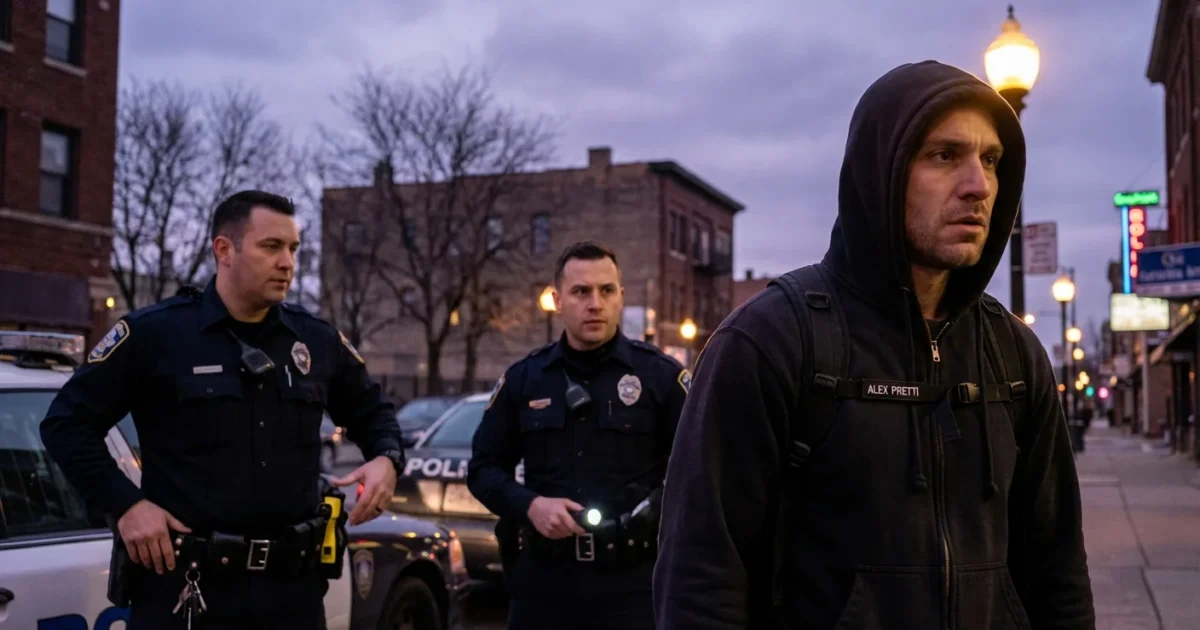
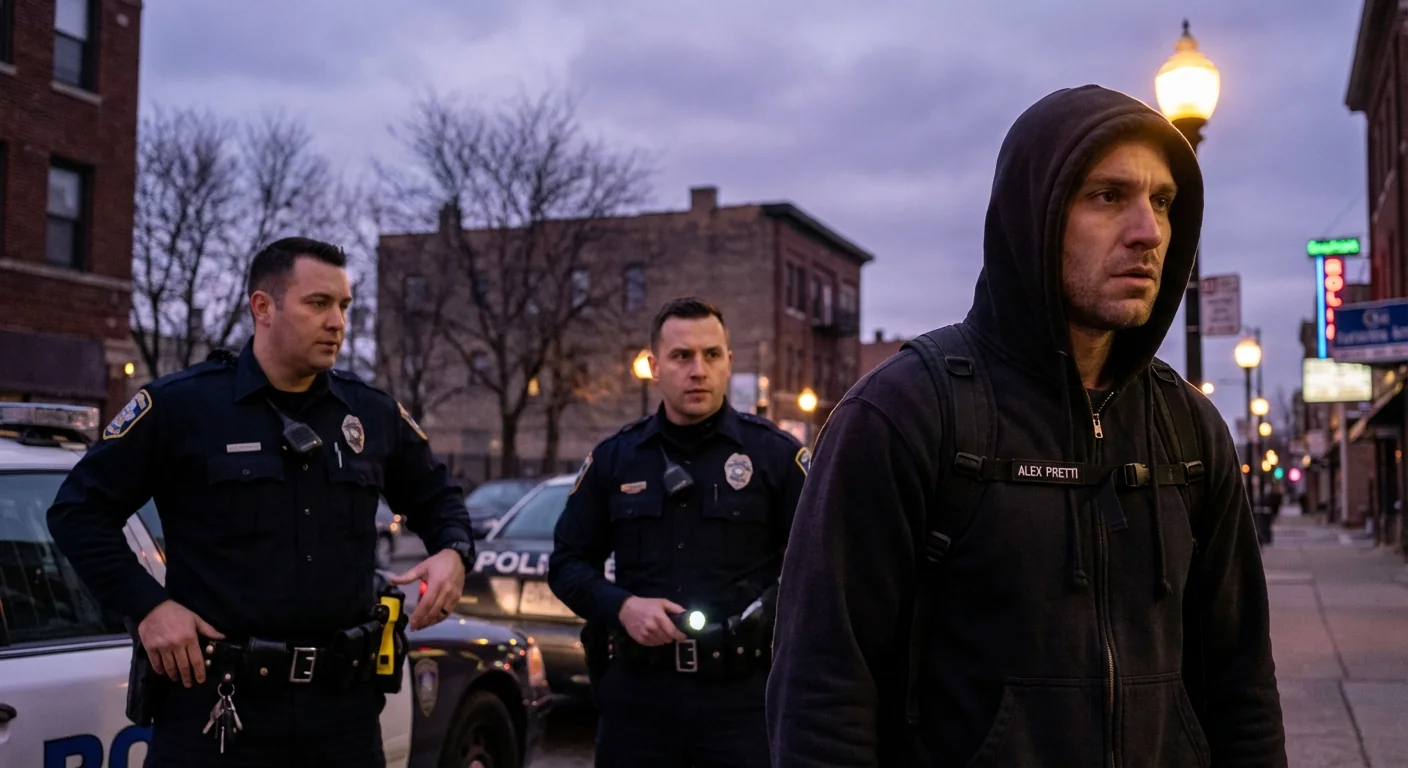
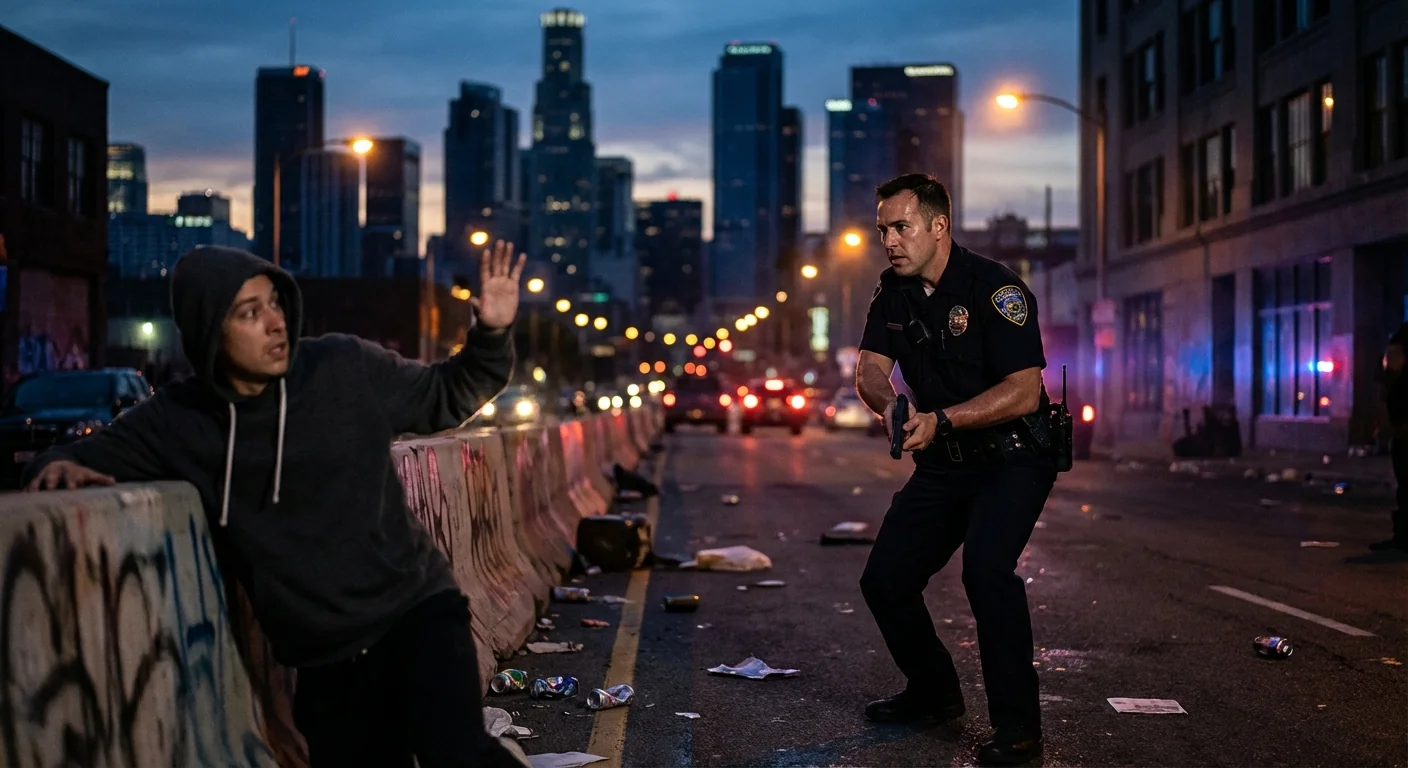
The newly surfaced angle captures a prior scuffle between Alex Pretti and two federal agents, blocks from where community member Renee Good later died. The clip fills gaps in the public record. It shows one agent making first contact. It shows Pretti stepping back with open hands before the struggle turns physical. Audio is clipped by traffic noise, but two commands to “get down” can be heard. The agents close distance anyway. Seconds later, the takedown attempt fails.
In the later segment, the agents reengage. The distance is shorter than earlier reports suggested. The agent on the left appears to reach for his taser, then changes course. The shot is fired within moments of a shouted phrase that sounds like “knife.” The frame does not clearly show a blade in Pretti’s hand in that instant.
Video alone does not decide legality. Context, training, and policy all matter in court and in discipline.
How the timeline changes accountability
The tighter sequence compresses key decisions into a few seconds. It also strengthens claims that agents escalated the encounter. Our frame-by-frame review shows the agents continued to close on Pretti while issuing commands. That mix of movement and orders can confuse a suspect and shrink reaction windows. It will matter for investigators who must judge proportional force, not perfect hindsight.
The new angle also renews focus on supervision. Where was the field supervisor during the second contact. Why was there no effort to slow the scene. Federal policy encourages time and distance when feasible. The video suggests those tools were not used.
The law that governs force
Police use of force is judged by reasonableness. The standard comes from the Supreme Court case Graham v. Connor. Officers may use deadly force only when there is an immediate threat of serious harm. That rule is refined by training, policy, and local law.
On these facts, three issues will sit at the center:
- Did the agents reasonably perceive an immediate deadly threat
- Did their own tactics create the danger they later used to justify force
- Were less lethal options available and practical
- Did any agent have a duty to intervene or to render aid faster
A second Supreme Court case, Tennessee v. Garner, limits deadly force if the person is fleeing and not dangerous. Here, the new video shows approach, struggle, and then a rapid firing sequence. It is not a classic flight scenario. It is a question of escalation and perception.
Federal policy under strain
This case lands during visible friction inside the Department of Homeland Security. Field teams face unclear guidance on body cameras, on duty to intervene, and on when to disengage. Some components have piloted cameras, but many agents still operate without them. That leaves the public reliant on bystander video, private security feeds, and later reconstructions.
The chain of command must decide if the tactics we see align with policy, or if training has drifted. Expect parallel probes. The agency’s inspector general can review policy compliance. The Civil Rights Division at the Department of Justice can open a pattern or practice review if broader concerns appear. Congress can also step in with oversight hearings, subpoenas, and budget strings that force change.
Citizen rights and the path to clarity
The public has a right to record officials in public spaces, as long as they do not interfere. That right is critical here. It built a fuller record when official cameras were thin. People near the scene who captured this material should preserve original files and metadata. They should share copies with investigators, not just clips online.
If you filmed the encounter, save the original file, send a copy to counsel or investigators, and keep a simple note of time and place.
Families and communities also have rights to timely information. Freedom of Information Act requests can compel release of policies, radio logs, and after-action reports. Cities often have parallel transparency laws. These tools help test official statements against the record.
What happens next
Internal affairs will first secure all video, radio traffic, and locator data. Prosecutors will run a standard analysis, matching frames to use-of-force rules. Independent experts may study audio to pinpoint the timing of commands and shots. The question is not perfection. It is whether a reasonable agent, with proper training, would have fired.
The new angle will not end debate. It sharpens it. It shows movement, distance, and choices that matter under the law. It places the duty to de-escalate back on the table. It also raises a simple civic test. If policy encourages time and distance, why were both in such short supply.
We will keep pressing for full release of the underlying records, including any policy memos and training bulletins tied to this unit. The public deserves a clear, final timeline and a decision rooted in law, not rumor. The video brought us closer today. Accountability must do the rest.