BREAKING: New surveillance video tied to the Minneapolis ICE shooting is now public. I have reviewed the footage in full. It shifts the timeline on key moments, and it raises sharp legal questions about use of force, federal authority, and the rights of protestors. The investigation is active. The facts are still forming. But the stakes are clear.
What the new video shows
Alpha News released surveillance clips connected to the deadly encounter between a U.S. ICE agent and an immigration activist in Minneapolis. The footage appears to show the activist in the roadway before the shooting. Vehicles slow or stop. The agent is nearby. The point when force is used is not fully visible from this angle. Audio is limited, so we do not hear commands or warnings.
I am reviewing frame by frame with a focus on distance, movement, and timing. The central question is what the agent perceived in the seconds before the shot. That is the legal pivot. The precise timeline remains under review, and more video may exist from other angles. A second camera or body camera footage, if any, would be critical to fill the gaps.
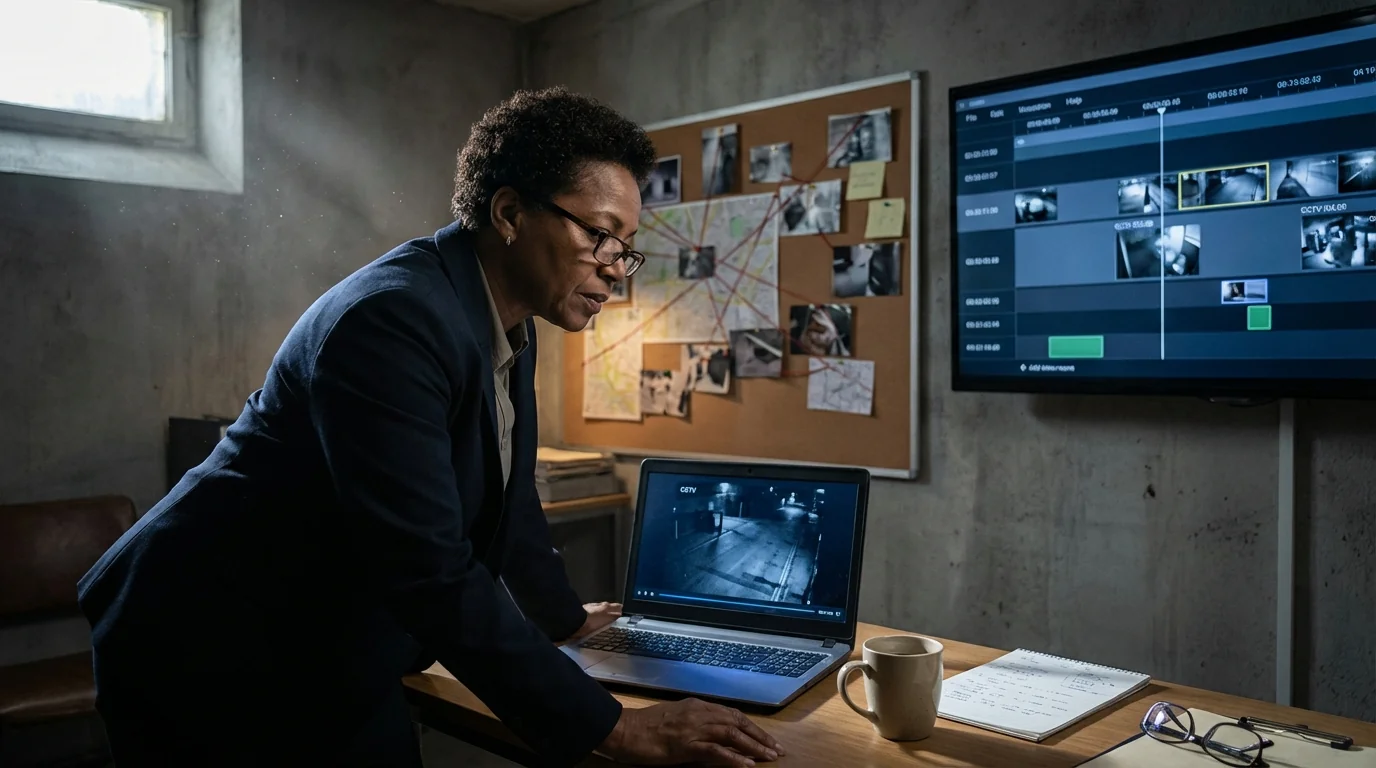
Video can anchor a timeline, but it is not the whole record. Angle, light, and missing audio can mislead. Investigators must match video with witness statements, dispatch logs, and any forensic evidence.
What the law requires
Deadly force by a federal agent is lawful only if it is necessary to prevent an imminent threat of death or serious injury. That is the core of DHS policy, and it echoes Supreme Court standards. Courts will judge the moment through the lens of a reasonable officer, in real time, not with hindsight.
Minnesota authorities typically assign the Bureau of Criminal Apprehension to officer shootings. That process can run alongside federal reviews by DHS internal affairs and the Inspector General. If local prosecutors consider charges, a complex question follows. Federal agents can assert a form of Supremacy Clause immunity. In simple terms, they argue they acted within federal duties and lawful authority. A court would test that claim against the facts.
Here are the key legal questions the new footage puts in sharper focus:
- Was there an immediate threat when the shot was fired, based on what the agent could see?
- Did the activist’s roadway actions create a risk that rose beyond civil disobedience?
- Were clear commands given, and were less lethal options feasible?
- Did the agent follow DHS training and reporting rules to the letter?
Civil accountability
A civil lawsuit may follow. But recent Supreme Court rulings have narrowed direct claims against federal officers. The Egbert decision makes Fourth Amendment damages suits harder in immigration enforcement contexts. Families may pursue claims under the Federal Tort Claims Act instead, which has its own limits and exceptions. These legal paths are technical, and they turn on precise facts.
Government transparency on the line
This video release puts fresh pressure on federal and local agencies. The public will want a full, minute by minute account. That means release of any additional recordings, radio traffic, and incident reports, once it is safe for the case.
ICE has piloted body cameras in parts of the agency. If a camera was in use here, the footage and audit logs matter. If not, that absence will fuel calls for wider adoption. Expect formal requests under state data laws and the federal FOIA process. Timelines for release will collide with the need to protect an active case.
A credible investigation timeline should include the video, dispatch audio, officer statements, civilian witness interviews, and a clear map of the scene.
Citizen rights, protest limits, and safe conduct
People have the right to speak and assemble in public spaces. Cities can set time, place, and manner rules to protect safety. Blocking a road can violate those rules, even during protest. That is the legal line many activists test on purpose. The law still protects peaceful speech, and it protects the right to document public officials.
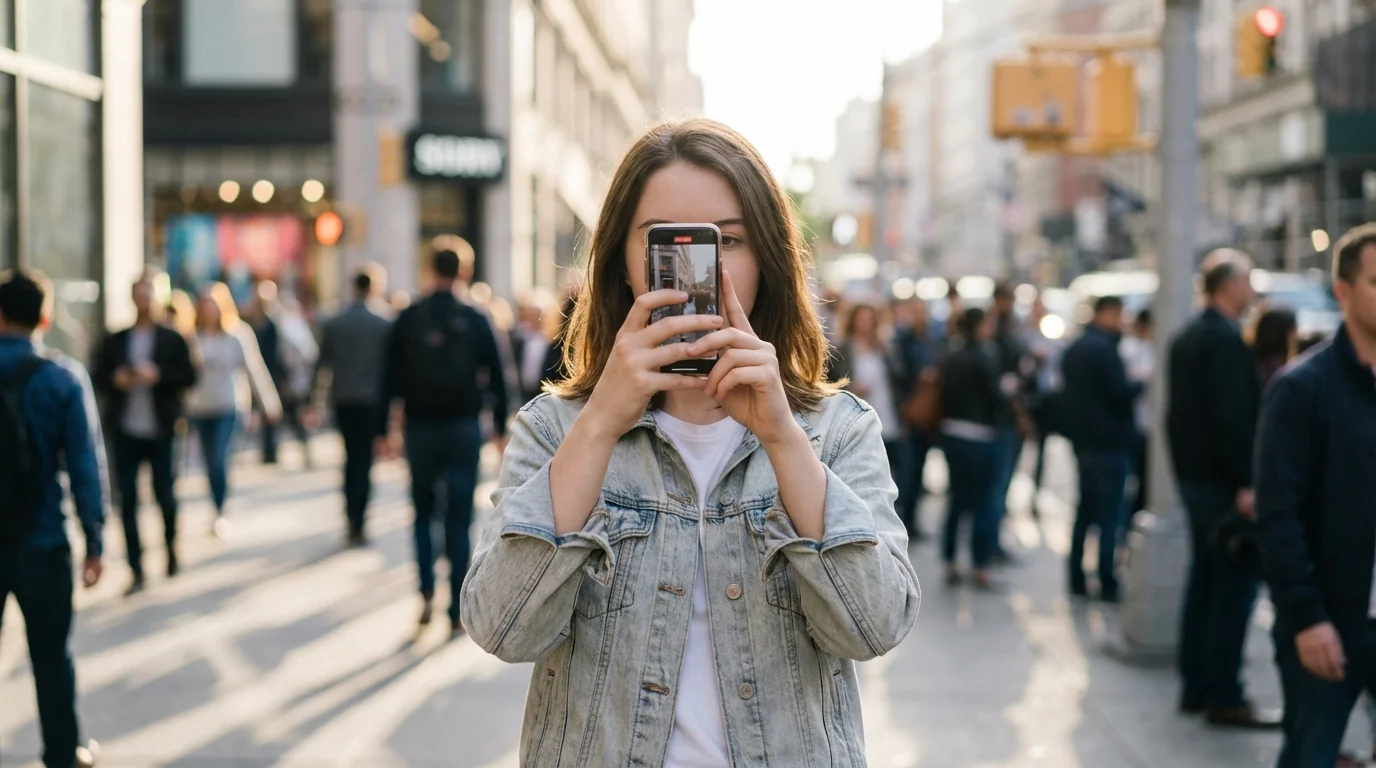
You can record federal agents in public where you have a legal right to be. Keep a safe distance. Do not interfere with lawful duties. Do not cross police lines. If an ICE encounter unfolds near you, you have the right to remain silent. You do not have to consent to a search of your phone or camera.
Record from the sidewalk, announce you are recording, and keep your hands visible. Save the original file. Back it up to cloud storage. 📱
Do not share names or unverified claims about witnesses or the agent. Early errors can harm the case and the people involved.
Why media framing matters to the law
This footage will shape how the public sees the case. Some will focus on the activist in the roadway. Others will center on the agent’s split second choice. That framing can influence charging decisions, jury pools, and civil settlement talks. It can also shape the reforms that follow, from training updates to camera rules to protest management plans.
The law will cut through the noise. It will test what the agent believed, what the video shows, and what policy required at that moment. The facts will decide whether the force was justified, and whether any crime or policy breach occurred.
Conclusion
I will continue to review every frame and press for more records. The community deserves a full, honest timeline. The family deserves clear answers. The agent deserves a fair process. The law demands all three. Stay focused on the evidence, not the echo. 🔎