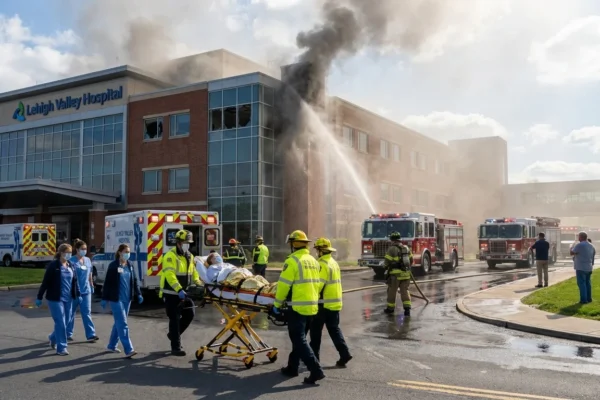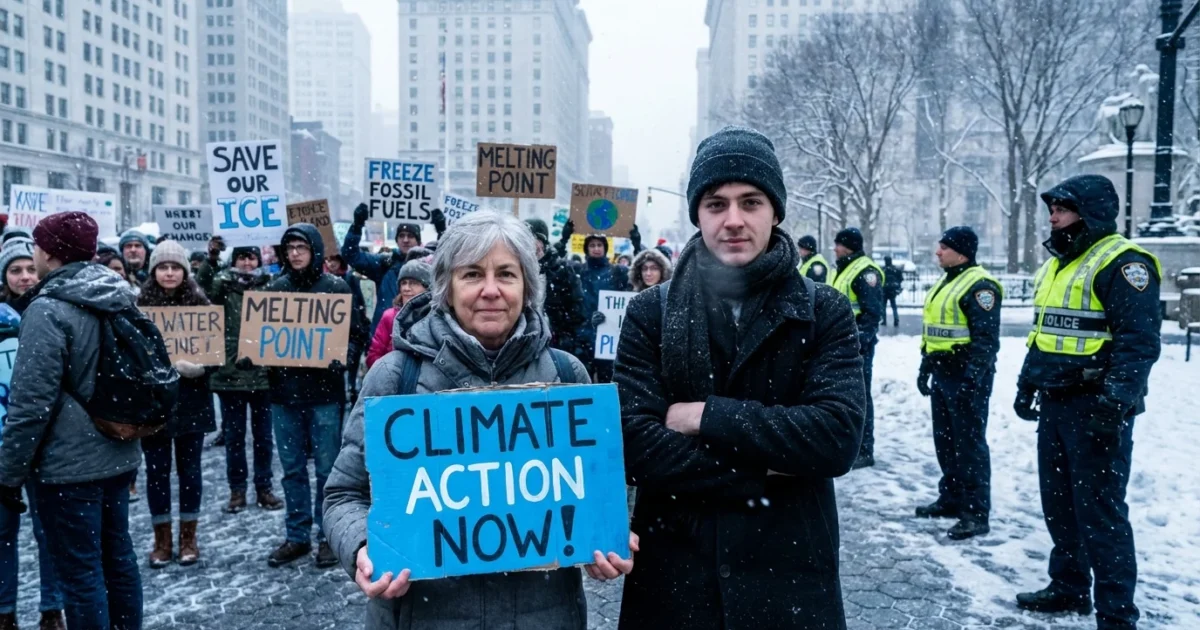
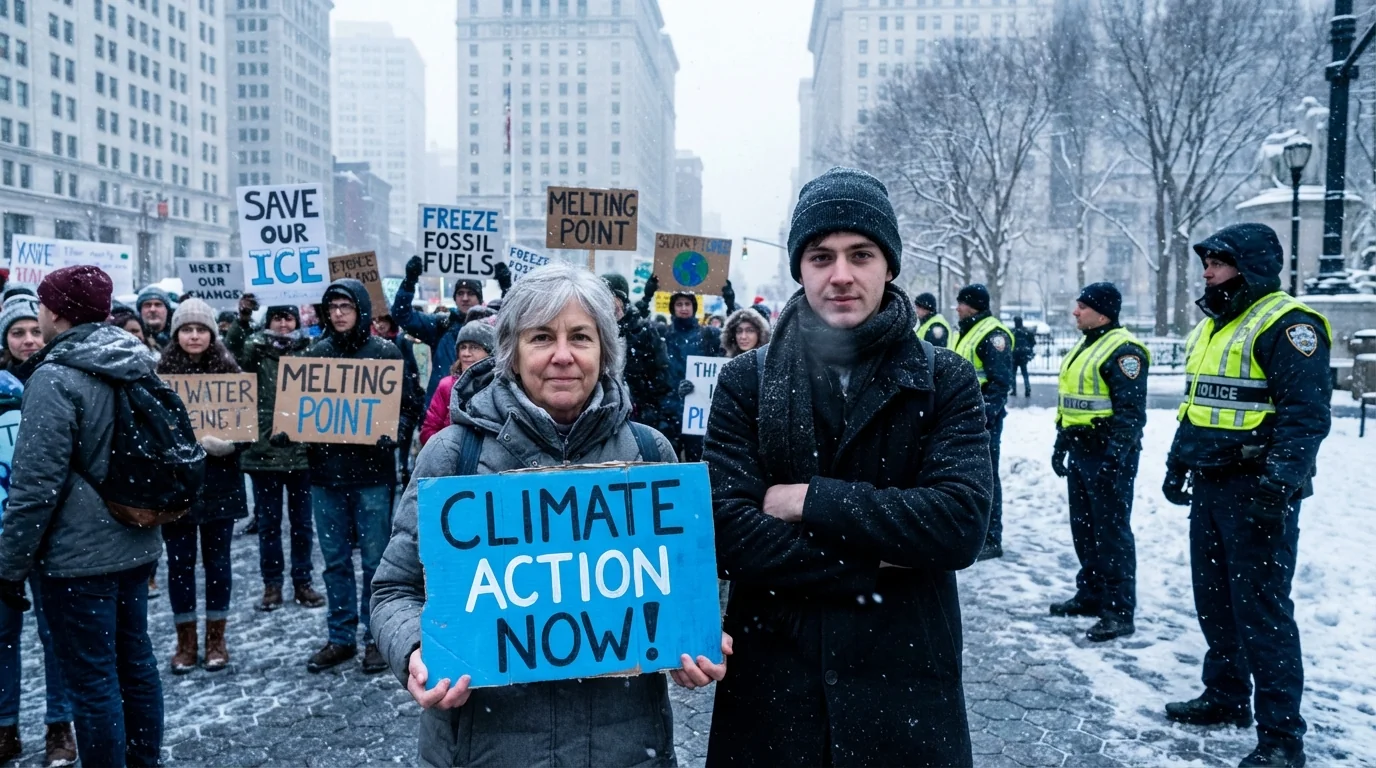
🚨 Breaking: Calls for “ICE protests near me” are surging tonight after new video from a fatal Immigration and Customs Enforcement shooting in Minneapolis surfaced. I have reviewed the footage. It has changed the narrative, sharpened the legal stakes, and sparked fast mobilization in cities coast to coast. People want to show up. They also want to know their rights.
What the new videos show, and why it matters
Two angles now exist. A bystander’s cellphone clip, and an officer’s perspective video. Together, they fill gaps from the first reports. The encounter is brief, tense, and fatal. The key dispute will be whether deadly force was necessary at that exact moment. That is the legal heart of the case.
Use of force cases turn on what a reasonable officer would do in the same situation. Investigators will study timing, commands given, distance, and any visible threat. Training, stress, and policy also matter. The new footage will be reviewed frame by frame. It will shape expert opinions and any charging decision. It will also shape public trust.
The investigations now in motion
Multiple reviews are moving. ICE has internal investigators for use of force. The Department of Homeland Security can also open an Inspector General review. Local prosecutors will assess criminal liability under state law. A civil rights review by the Justice Department is possible in fatal cases like this. Expect parallel civil claims by the family, focused on wrongful death and constitutional violations.
Transparency is the test. Policies require preservation of body-worn or third party video, dispatch audio, and officer notes. Officials should release timelines, policies cited, and any after action report with minimal delay, unless it compromises the case. If that does not happen, expect court fights over records. Public records laws apply to many files, though some federal materials are exempt.
You can request records from local and federal agencies. Ask for footage, reports, and policy manuals. Delays are common, but you have a right to ask.
Your rights and limits at a protest
You have the right to speak, march, and hold signs on public sidewalks and parks. You can record police in public, from a reasonable distance. Officers can set time, place, and manner rules for safety, not to silence speech. You must follow lawful orders about traffic, barricades, and dispersal.
Private property is different. Owners can set rules or ask you to leave. Blocking marked emergency exits or hospital entrances can lead to arrest. Masks are legal in most places, but local rules vary. Keep hands visible if police give orders. Ask, am I free to go. If not free to go, ask for a lawyer and stay silent.
Curfews and dispersal orders can change your rights fast. Listen for clear commands. Leaving when ordered can prevent arrest and injury.
How to find verified events near you
Energy is high tonight. So are risks from confusion and false posts. Verify before you go.
- Check local community groups you trust, including immigrant rights groups and faith networks.
- Confirm details on a second channel, like a local newsroom, a city calendar, or the host’s official page.
- Look for clear organizers, a start time, a route, and safety guidelines. Vague posts are red flags.
- Before you leave, screenshot the event info and share your plan with a friend.
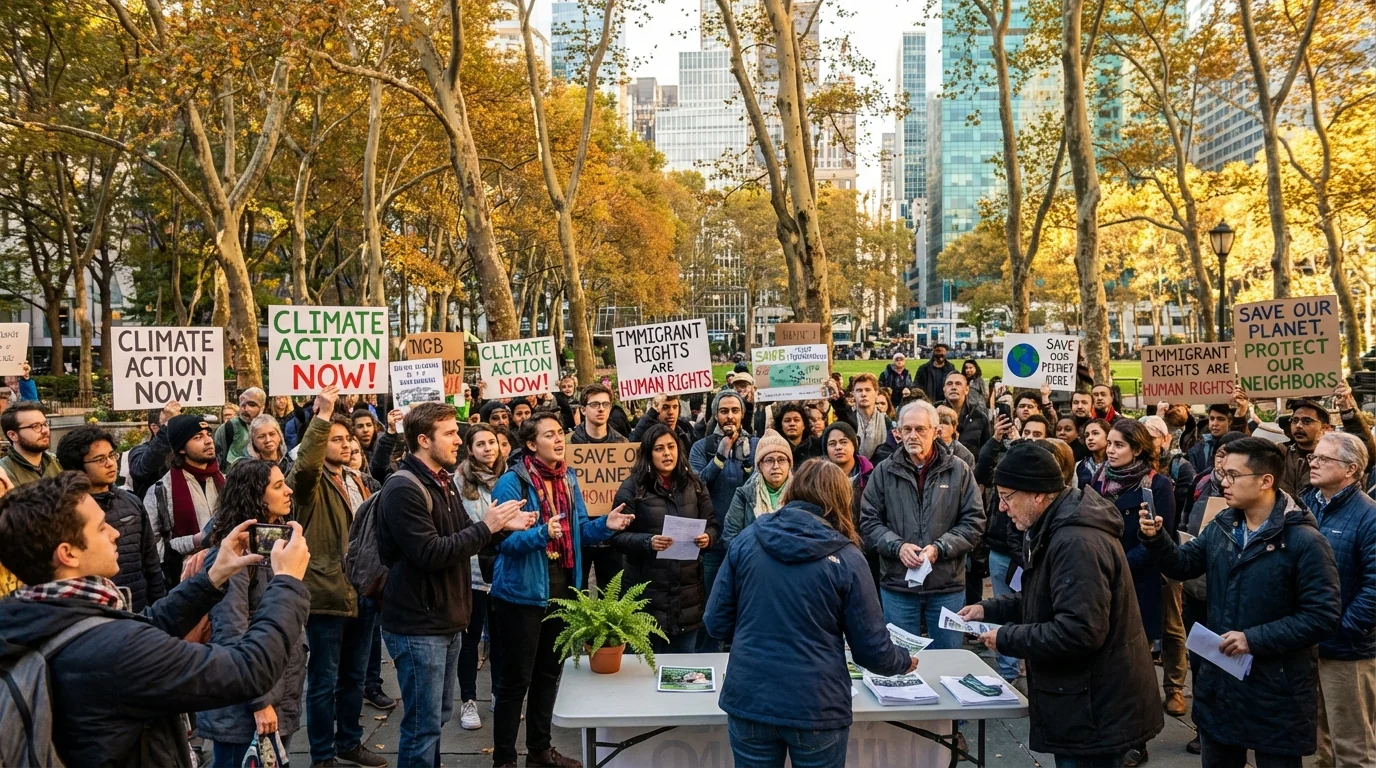
Bring water, a charged phone, and your ID. Write a legal hotline on your arm. Record interactions when safe. Stay with a buddy.
Policy consequences are already forming
The videos have focused attention on ICE training and tactics. Expect fast reviews of firearms policy, vehicle stops, and escalation. DHS leadership can issue interim guidance within days. That can include tighter rules on when officers may use deadly force, new checklists for pre planned arrests, and mandatory supervisor oversight during higher risk operations.
There will be pressure to expand body camera use across ICE units and to publish after action summaries within set timelines. Unions will argue for due process and against premature judgment. City councils and state lawmakers will hold hearings and demand data on prior incidents, complaints, and discipline outcomes. Congress can ask for briefings, require reports, and tie funding to reforms. Courts will continue to be the backstop, case by case, ruling on reasonableness and rights.
The bottom line
The new footage reset the debate in hours. It raised hard questions about necessity, training, and accountability. It also moved people to the streets. If you plan to attend an “ICE protests near me” event tonight, go informed. Know your rights. Follow lawful orders. Film safely. Demand transparency, and expect answers. I will keep reporting as investigations, policy changes, and community actions unfold.