I have obtained new court filings and family text messages tied to the death of Anna Kepner on a Carnival cruise. The records deepen key questions that now sit at the center of a criminal and jurisdictional maze at sea. A teenage stepsibling is a suspect. In the documents, the teen says he does not remember what happened. Investigators have not released a final cause of death. The public deserves clarity, and so does the law.
What happened on board
Based on the filings and ship log references, here is the timeline that emerges. Exact timestamps remain under seal. The sequence matters because it drives which authorities take the lead.
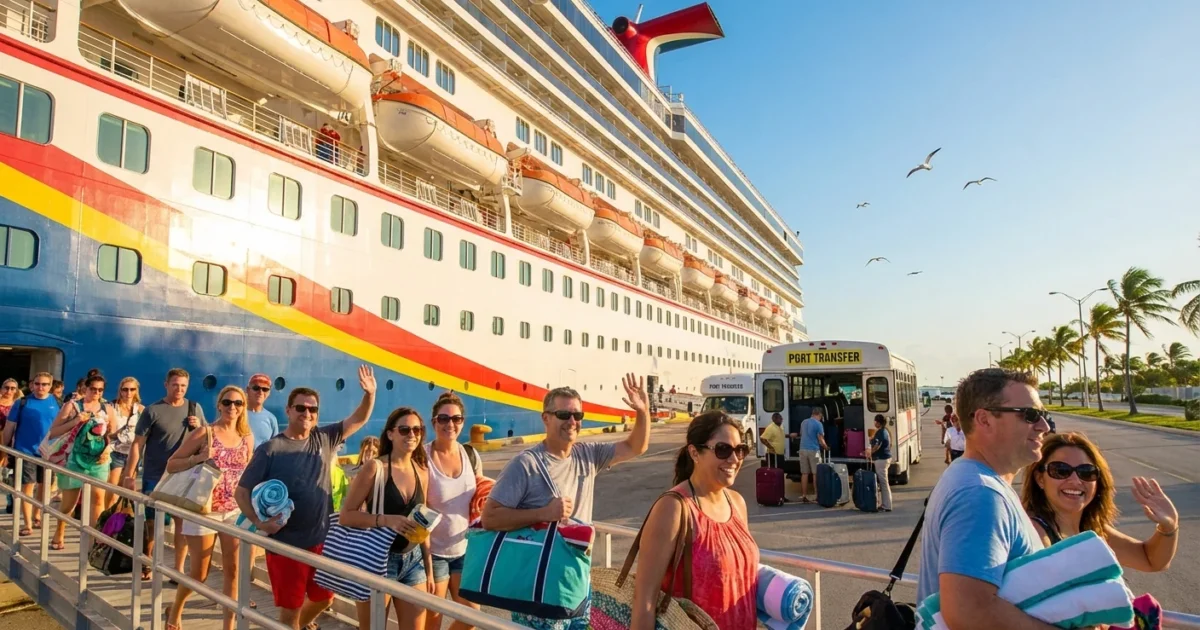
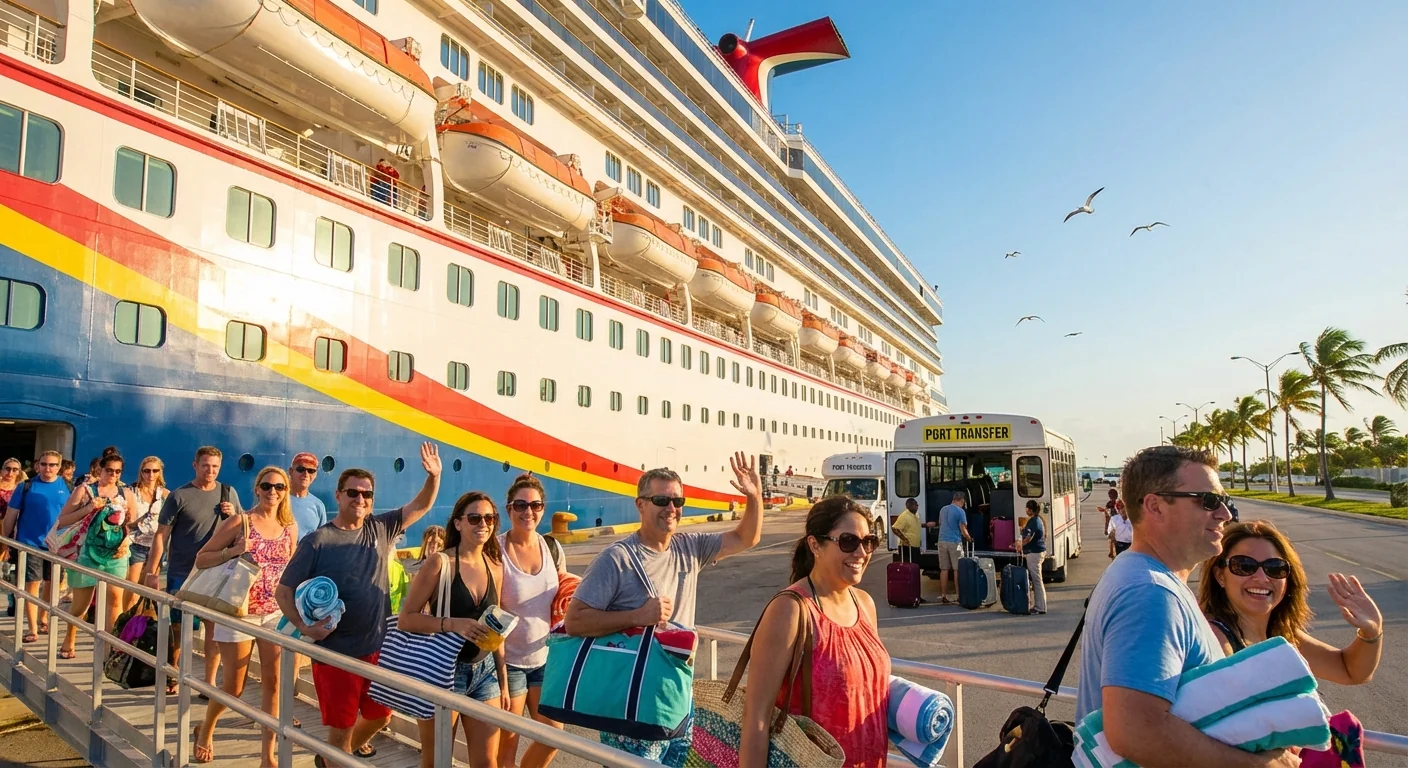
- The family boarded the ship in Florida.
- Hours later, relatives reported Anna missing from a shared area.
- Security began a search, including checks of cabins and common decks.
- Anna was found unresponsive and later pronounced dead by onboard medical staff.
- The ship alerted shore authorities, and the FBI initiated a case when the vessel returned to port.
These steps triggered federal reporting duties and evidence rules that apply to large passenger ships that sail to and from the United States.
What the new records show
The new court filings include text messages between family members in the hours after Anna was found. The messages include heated exchanges about what to tell authorities and who should speak. Some relatives urged silence. Others demanded full cooperation. The teen stepsibling, identified as a suspect in the filings, told a family member he does not remember the events.
The records also reference shipboard video pulls, room access logs, and witness lists. That detail matters in any prosecution. It also matters for civil claims. If this death happened beyond state waters, a federal statute could limit damages for the family in a wrongful death case.
New filings indicate the teen claimed memory loss. That is not a legal defense on its own. It does shape how investigators test statements against physical evidence.
The legal maze at sea
Crimes at sea are governed by layered rules. The FBI has authority when a ship sails to or from a United States port and a United States citizen is involved. The Coast Guard is the first federal recipient of crime reports from cruise lines. The law also looks to the flag of the ship and where the event took place.
Two federal laws sit at the heart of this case. The Passenger Vessel Security and Safety Act requires cruise ships to report serious incidents, preserve evidence, and maintain certain safety features. The Death on the High Seas Act can limit civil recovery to financial losses if a death occurs beyond 3 nautical miles from shore. If the death occurred closer to shore, state wrongful death law may apply, which can allow broader damages.
Cruise security officers are private employees. They are not police. Statements to them can be used in court if obtained without coercion. If United States agents question a suspect on board, the same constitutional rules apply as on land, including the right to remain silent and the right to an attorney.
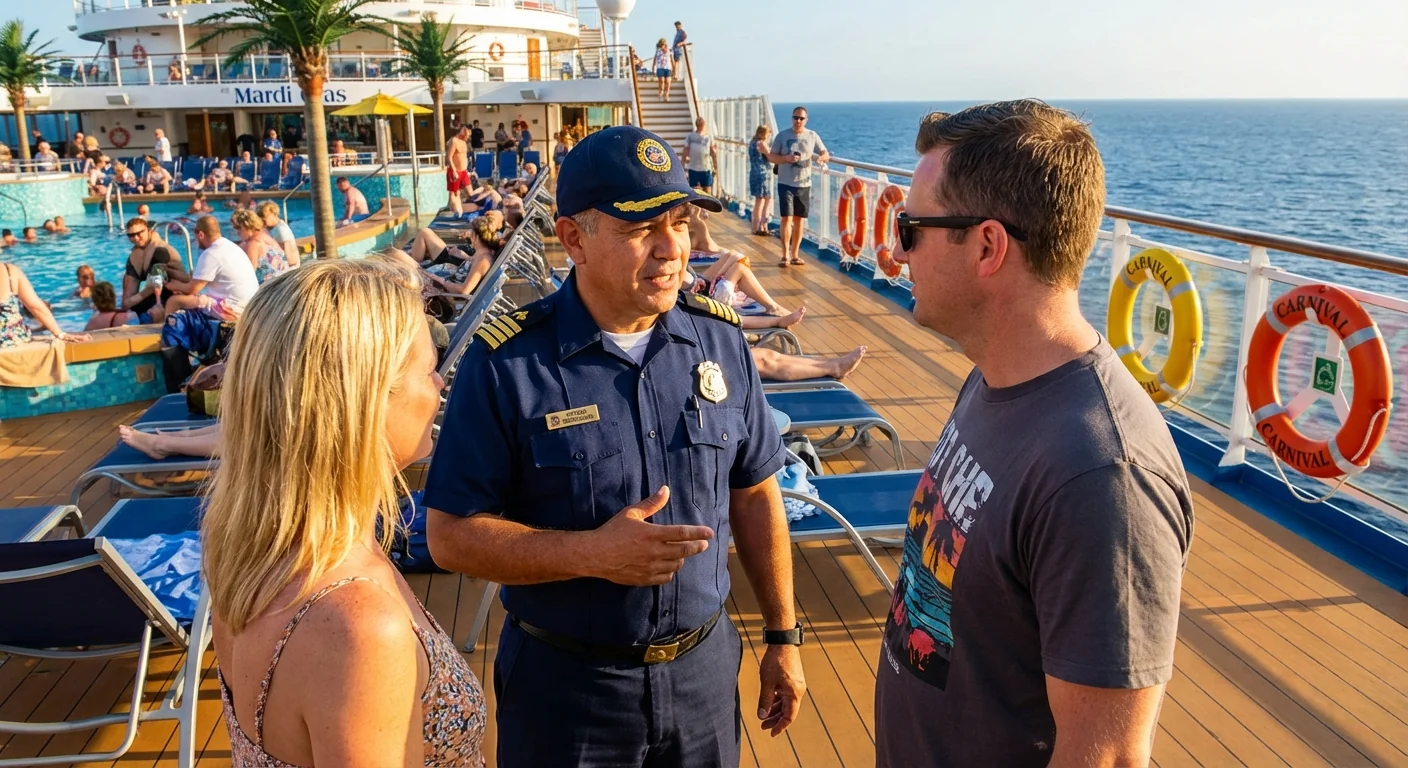
If you are a witness or a victim at sea, ask for medical care, ask that evidence be preserved, and request to speak with federal agents as soon as the ship docks. Write down times, names, and locations.
Carnival’s duties and public accountability
Carnival has a legal duty to use reasonable care to keep passengers safe. That includes working cameras, trained security, prompt medical response, and immediate reporting to federal authorities. It also includes preserving logs, keycard records, and video.
I am pressing for answers to these public interest questions:
- When did security first receive a report that Anna was missing
- How long did it take to secure the scene and preserve video
- Were all relevant areas, including crew-only zones, pulled for footage
- Did the company notify the FBI and Coast Guard at the earliest possible moment
Investigators have not disclosed a final timeline in open court. No charging document has been filed that sets out an official theory of the case. Until that occurs, transparency from the cruise line on its safety and reporting steps is crucial. Families book these trips trusting that if something goes wrong, the system will respond fast and by the book.
When a suspect is a minor, extra safeguards apply. Any interview should be voluntary, limited, and with a parent or lawyer present whenever possible.
What comes next
The next key moves are forensic results, a full review of ship video, and a jurisdiction ruling on where any criminal case should be filed. If the facts place the death in federal maritime jurisdiction, prosecutors will decide whether to bring charges in federal court. The family will also face a tough civil law question. Was the ship beyond state waters at the critical time. That answer could shape the value and scope of any wrongful death claim.
This case is a test of cruise safety promises and of maritime law that affects millions of passengers each year. I will continue to press for the full timeline, the evidence preservation steps, and clear answers on which laws apply. The law does not stop at the gangway. It travels with every passenger, and it must be seen to work.