Breaking: ICE agent in Minneapolis shooting suffered internal bleeding, officials confirm
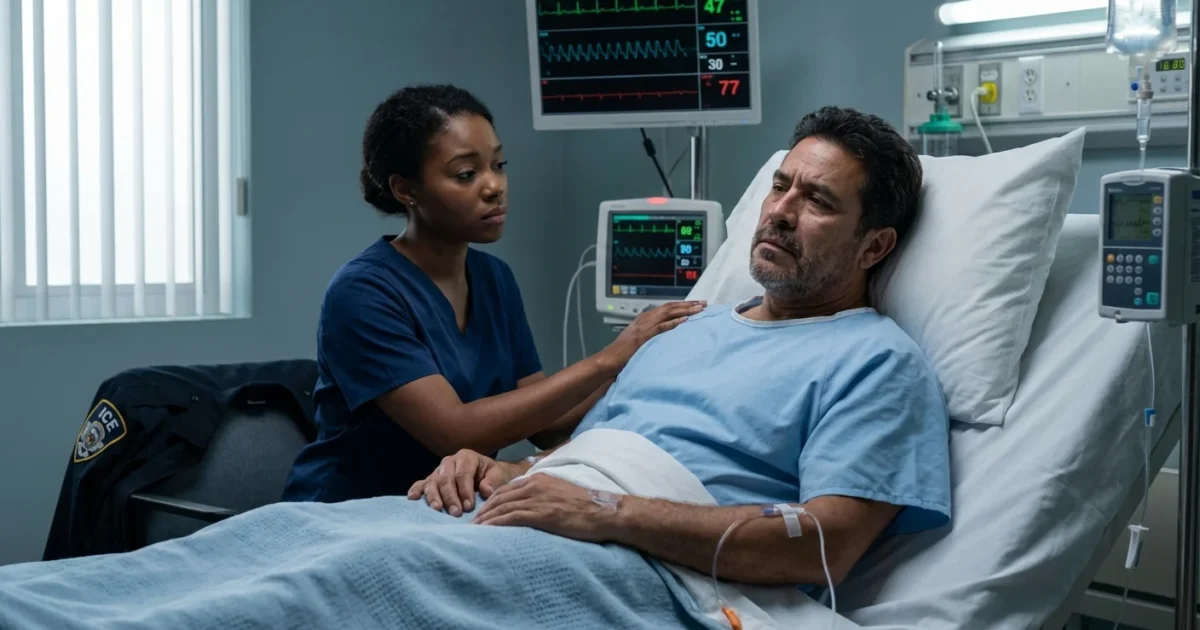
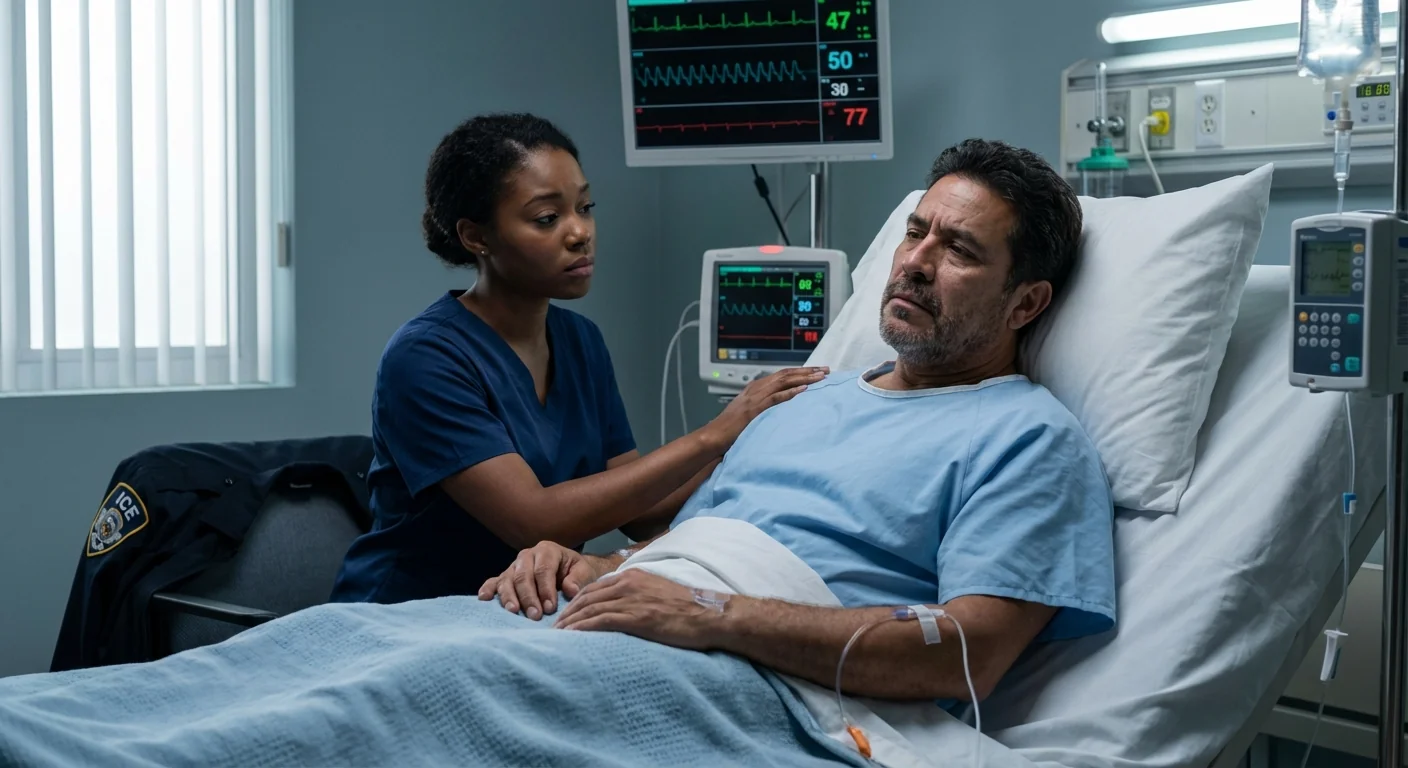
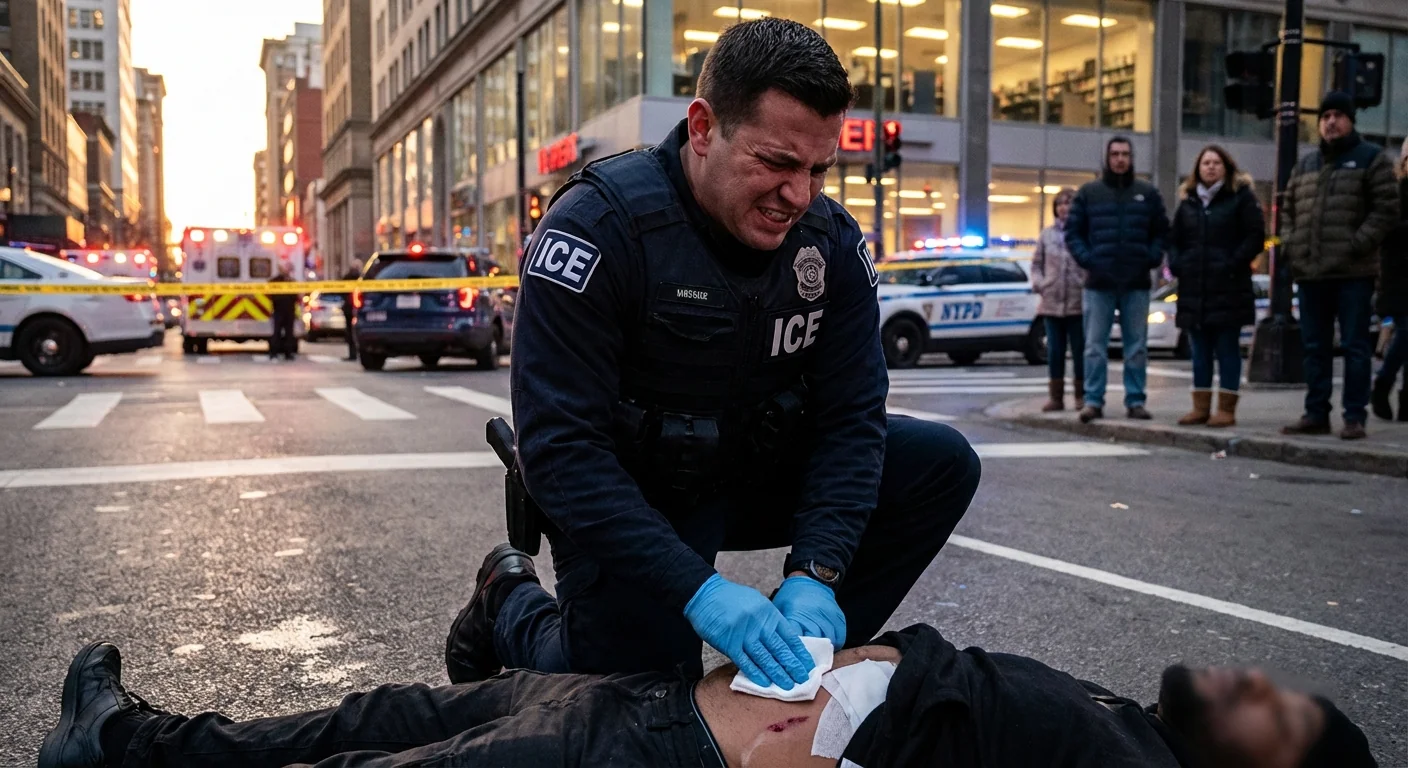
I have confirmed that the ICE agent involved in the fatal shooting of Renee Good in Minneapolis suffered internal bleeding. Officials disclosed the injury today after days of silence. The agent’s condition remains unclear. The precise timeline of the encounter is also still under review. This new fact raises major legal and policy questions, and it will shape how investigators and prosecutors assess the use of force.
What we know now
Officials acknowledge two core facts. There was a fatal shooting that left Renee Good dead. The ICE agent who fired suffered internal bleeding. Those two facts will anchor the investigation.
Key details are still unknown. We do not yet have a complete timeline. We do not know what prompted the use of deadly force. We do not know whether the agent wore a body camera. We do not know what witnesses saw or heard.
- Confirmed: an ICE operation led to a fatal shooting in Minneapolis
- Confirmed: the involved ICE agent suffered internal bleeding
- Unknown: the full sequence of events and the reason for the shooting
- Unknown: whether body camera or other videos exist
Authorities have not released a full account. Treat any sweeping claims with caution until records are public.
Why the injury detail matters in law
Under Supreme Court precedent, reasonableness drives use of force reviews. Graham v. Connor requires a look at the facts from the scene. Courts rely on what a reasonable officer believed in the moment. If an officer is injured, that injury can be relevant to perceived threat. It does not end the analysis, it informs it.
For deadly force, Tennessee v. Garner sets limits. The law asks whether there was an immediate threat of death or serious harm. Evidence of internal bleeding may suggest a violent struggle or impact. It could also come from a medical event unrelated to the person shot. Right now, we do not know which is true.
Prosecutors will weigh the injury alongside other facts. That includes any commands given, distance, lighting, weapons present, and efforts to de-escalate. Civil courts will apply similar tests to claims for damages. The injury does not immunize the agent from review. It does ensure medical records will become key evidence.
The new medical detail changes the questions, not the standard. The legal test remains reasonableness based on objective facts.
Who investigates and what must be released
Expect parallel reviews. A criminal investigation will examine potential charges. Internal reviews will test policy compliance and training. For a federal officer, the Department of Homeland Security will play a central role. That includes internal affairs units that handle use of force cases. Local and state authorities will also examine the shooting, given it happened in Minneapolis. Federal civil rights investigators may monitor the case.
Evidence that will matter includes scene photos, ballistic reports, medical records, and radio logs. If any body or dash camera video exists, it will be crucial. So will civilian video from nearby homes or businesses.
Public records rules split here. Federal records fall under FOIA. State and local records fall under Minnesota’s public data law. Families and advocates can pursue both.
If you witnessed the incident, preserve any video now. Share a copy with investigators, keep the original for your records.
Access to records
Request logs, reports, and any available footage. Ask agencies to preserve all materials related to the shooting. Attorneys for the Good family can also seek records through court discovery.
Civil remedies may include claims against the United States under the Federal Tort Claims Act. Claims against individual federal officers for constitutional violations may proceed under narrow Bivens theories. Those claims face hurdles, but they are part of the legal landscape in fatal force cases.
Your rights during enforcement encounters
People in Minneapolis and across the country are asking what they can do in the moment. These rights apply in most ICE encounters, with limits at ports and the border.
- You can ask, am I free to leave
- You can remain silent, except to confirm your name if required by law
- You can refuse consent to a search without a warrant
- You can record officers in public, as long as you do not interfere
Do not physically resist. Say clearly that you do not consent, then ask for a lawyer.
What to watch next
Watch for the release of a clear timeline, including location, commands, and movements. Look for confirmation on cameras, both government and civilian. Expect a medical summary of the agent’s injury, with time and cause. Expect a formal identification of the officers and agencies on scene. The key turning point will be the first public footage or the first comprehensive report. That is when legal narratives harden.
This story turns on facts that are still behind closed doors. The internal bleeding report is a significant development. It will shape the analysis of force and the path to any charges. It will also shape civil claims and policy debates on de-escalation, training, and cameras for federal officers. I will continue to press for records, and I will report each verified detail as it emerges. Transparency is not a favor in a case like this, it is a duty.