Breaking: New footage of Alex Pretti upends official timeline, raises hard questions for DHS
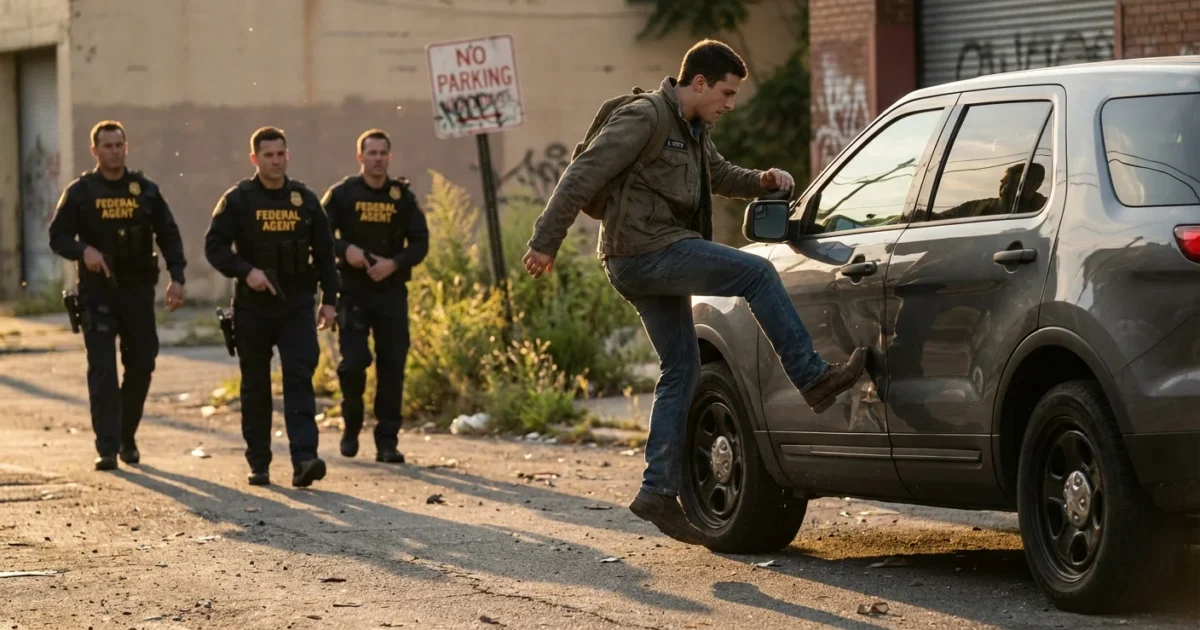
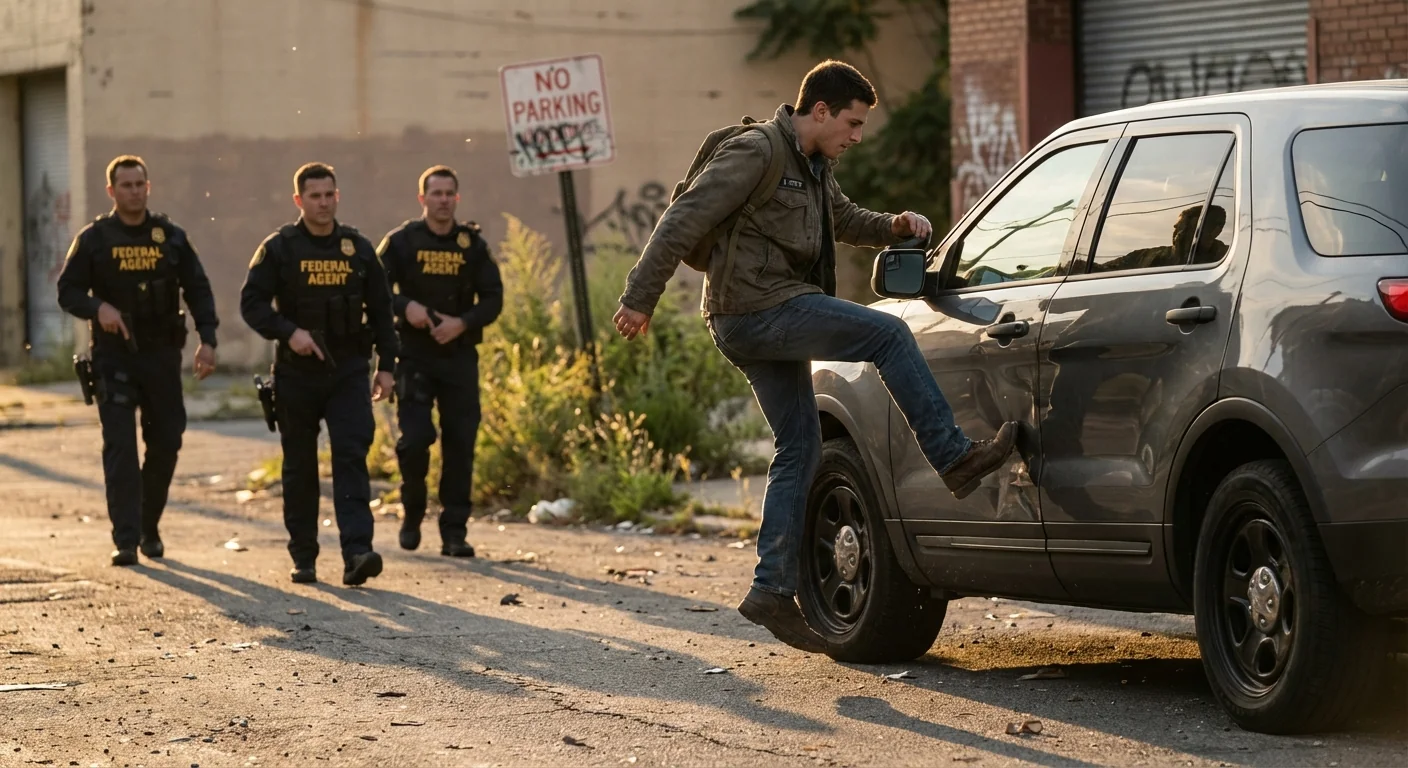
I have reviewed newly surfaced video clips that show Alex Pretti in a tense clash with federal officers, 11 days before he was killed. In one close shot, Pretti appears to kick the side of an unmarked vehicle as officers close in. The shorthand phrase alex pretty kicking car now points to this moment. The clips shift the timeline of contact, and they raise sharp legal questions about federal tactics, surveillance, and accountability.
What the new clips show
The footage, captured from more than one angle, starts with officers exiting vehicles and moving toward Pretti. Their markings are limited. Commands are loud but not clear in parts. Pretti steps back, gestures, and kicks the car door as an officer moves into his space. Hands go up. The scene grows heated. Then the video ends.
This matters for two reasons. It shows a prior contact between Pretti and federal officers less than two weeks before he died. It also suggests both sides may have escalated, fast, in a high stress setting. The encounter raises questions about identification, deescalation, and whether officers followed their use of force policy.
Short clips can mislead, context matters. Full audio, full time stamps, and full reports must be released.
Legal stakes for officers and agencies
A documented prior encounter can change how the later use of force is judged. Policy and law look at what officers knew, when they knew it, and how they acted on that knowledge. If agents had prior contact, supervisors should have logged it, reviewed it, and set guardrails for any follow up.
Federal officers operate under written rules for force, pursuit, and arrests. Those rules require clear commands, proportional force, and medical aid after any force is used. They also require preservation of evidence, including any video. If plainclothes agents were present, they must identify themselves in a way a reasonable person can understand.
If surveillance of Pretti occurred in the 11 day window, investigators will look for warrants, tasking orders, and legal justifications. Any off the books monitoring would pose serious legal risk. That includes possible suppression of evidence in court, and administrative penalties.
Agencies have a duty to preserve, not curate, the record. That means body camera files where used, radio logs, dispatch notes, GPS pings, and all drafts of reports.
Accountability inside DHS
The fallout from the shooting has already triggered internal reviews. Expect parallel tracks. The Inspector General can open a formal investigation. The Office for Civil Rights and Civil Liberties can assess pattern and practice. Component internal affairs units will handle policy violations. The Department of Justice can review for criminal civil rights charges.
Federal officers are often shielded from certain lawsuits. Suing individual federal agents for constitutional violations is hard, and courts have narrowed those claims in recent years. Families often file administrative claims under the Federal Tort Claims Act, then go to court if denied. None of this stops internal discipline or criminal charges where facts support them.
The new timeline raises another point. If managers knew of an earlier clash, they should have flagged any future contact as high risk. That calls for tighter supervision, clearer deescalation plans, and use of marked units. If that did not happen, the accountability lens widens to supervisors and policy makers, not only the agents on scene.
Your rights and what you can do
People have the right to record law enforcement in public, as long as they do not interfere. If you witnessed either encounter, preserve your video in original form. Do not edit. Do not add filters. Keep metadata intact.
- File a public records request to the relevant agency for videos, logs, and reports
- Note dates, times, addresses, and vehicle plates to narrow your request
- Ask for preservation, even if the agency claims exemptions
- Keep copies of all emails and receipts for your records
To request federal records, use FOIA. Name the component, for example the specific DHS agency, include the incident date, and ask for expedited processing due to public interest.
Families have rights too. They can request next of kin notifications, autopsy records from local authorities, and certain investigative updates. They may also request the appointment of an outside prosecutor if conflicts exist.

What to watch next
This story now turns on completeness. We need the full, uncut footage, with clear time stamps. We need the incident reports from the earlier clash and the fatal day. We need the names of the units involved, the policies in effect, and the approvals signed by supervisors. Chain of command choices matter here.
The alex pretty kicking car clip is not the whole story. It is a window into the days before a man died and a department shook. The law demands a full record. The public deserves it. The people in charge must deliver it, fast. Justice, legitimacy, and trust are on the line. 💼