

Nuno Loureiro, a leading MIT scientist and director of the Plasma Science and Fusion Center, has been shot and killed at his home in the Boston suburbs. He was 47. Local officials confirm a homicide investigation is underway. No motive has been released. No suspect information is public at this time.
His death hits science and public safety at once. It raises urgent questions about how the law responds, what protections exist, and what comes next for a world-class research center that works at the heart of clean energy.
What we know now
Authorities are treating the shooting as a homicide. Investigators remained at the scene through the day, gathering physical evidence and canvassing nearby homes. The medical examiner will determine the exact cause and manner of death.
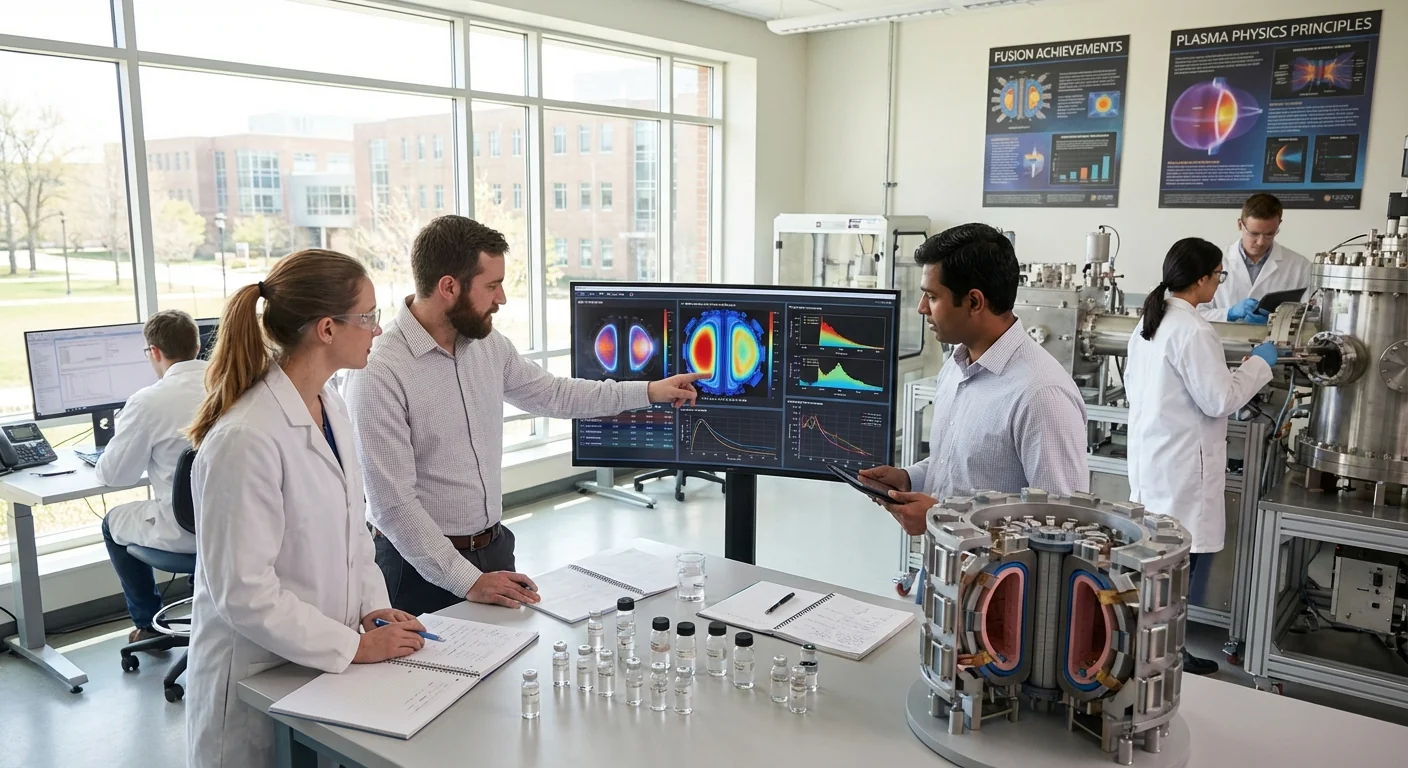
Loureiro led one of the most important fusion research hubs in the country. He was known for work on how super hot plasmas behave and how fusion devices can be made more stable and efficient. Colleagues describe a careful thinker who mentored young scientists and pushed toward practical fusion power.
Officials have not announced a motive or suspect. Anyone asserting one is speculating. Stick to confirmed facts.
The legal picture, and your rights
Homicide cases in Massachusetts follow a clear path. Police secure the scene. The district attorney’s office directs the investigation. The medical examiner completes an autopsy. If probable cause is developed, prosecutors seek charges in district or superior court.
Here is what typically happens next in an investigation like this:
- Forensic teams collect shell casings, fingerprints, and DNA
- Detectives review doorbell and traffic cameras
- Phones and computers are examined with court orders
- Neighbors are asked for statements and timelines
Residents in the area should know their rights. Officers may knock and ask to speak with you. You can decline a voluntary interview. If police present a warrant, you must allow the search. You may ask for a copy of any warrant or receipt for items taken. If you have video footage, you can share it, or ask officers how to provide a copy later.
Massachusetts public records law allows police to withhold certain details during an active investigation. That protects witness safety and the integrity of the case. Families of victims are entitled to information and services under the state’s victim rights law, including updates on court dates and access to advocates.
If you live nearby, preserve any home camera footage from the last 48 hours. Do not delete or overwrite it. Contact local police to share it securely.
Policy stakes for safety and research
This killing will prompt hard policy questions. Massachusetts already has some of the strictest gun laws in the country. The state allows courts to issue an Extreme Risk Protection Order. That is a tool that removes firearms from a person who is a risk to self or others. Family members or police can petition for it.
There are also abuse prevention orders, known as 209A orders, which can restrict contact and require surrender of firearms when domestic violence is alleged. None of this signals a motive in this case. It does show the legal tools that exist when threats are known.
Campuses and research labs will look again at safety planning. Many institutions use threat assessment teams, visitor controls, and rapid reporting channels. Harassment and doxxing of scientists has grown in recent years. State and federal laws allow restraining orders for harassment, and criminal charges for credible threats. Universities can coordinate with police to act fast when danger appears.
Policy makers may ask whether gaps remain in safe storage rules, data sharing between agencies, or support for victims and families. If an arrest occurs, a judge will review bail under state law that weighs danger to the community. A dangerousness hearing can hold a defendant without bail if the legal standard is met.
A scientist’s legacy
Loureiro’s work advanced the science behind fusion energy, a field that aims to deliver clean, steady power. As director, he guided research that links basic physics to real devices. He built teams, won grants, and trained students who will carry on this work. His loss is profound for MIT and for the energy future so many hope to build. 🕯️
What comes next
Expect a formal identification and cause of death from the medical examiner. Police will continue to seek video and witnesses. If a suspect is identified, charges will be filed and an arraignment will follow in open court. MIT will move to stabilize leadership at the Plasma Science and Fusion Center so research can continue.
Community members can help by sharing verified information with investigators, supporting the family, and allowing the process to work.
Do not post names or details that are not released by officials. False claims can harm people and complicate the case.




