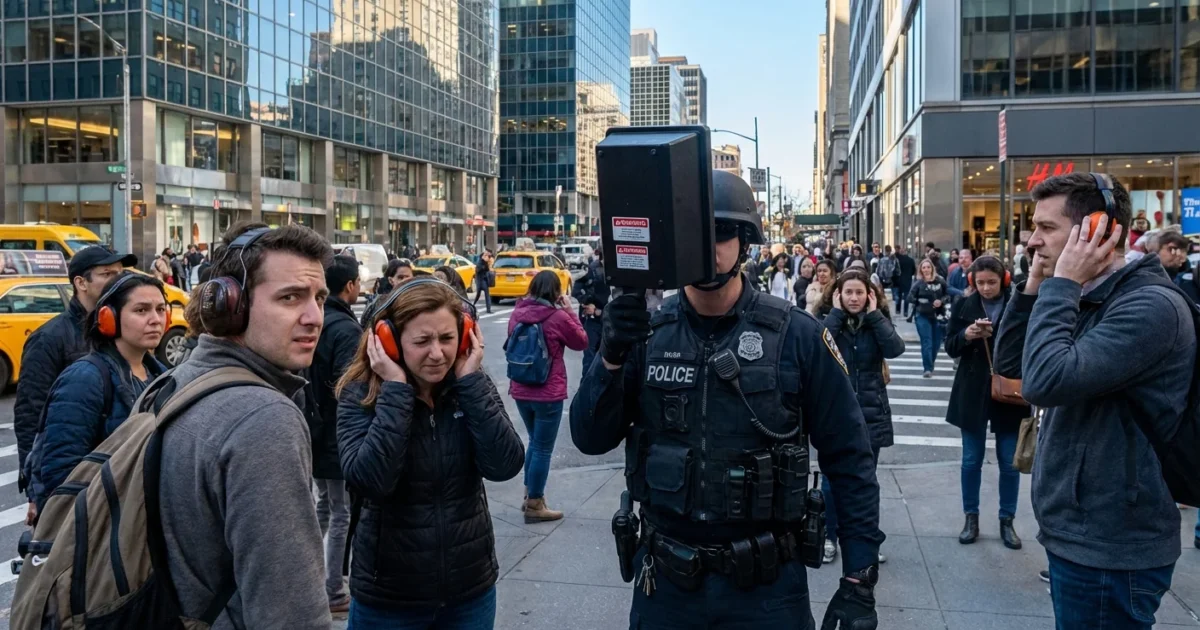
BREAKING: Minnesota State Patrol deployed an LRAD during a protest dispersal in Maple Grove last night. I confirmed the agency used the device to issue orders and move the crowd. The operation has reignited a fierce debate over “sonic weapons,” public safety, and the limits of force under the Constitution.
What is an LRAD, really?
An LRAD is a highly directional loudspeaker. It sends sound in a tight cone that carries over long distances. It has two main functions. One is a voice mode that broadcasts commands and warnings. The other is a piercing alert tone that can be painful at close range.
The device is not science fiction. It is an acoustic hailing tool, first used at sea to call out to vessels. In policing, agencies say they use it to make messages clear in loud environments. But the alert tone can exceed 120 to 140 decibels at close range. That level can cause pain, disorientation, and possible hearing damage in seconds.
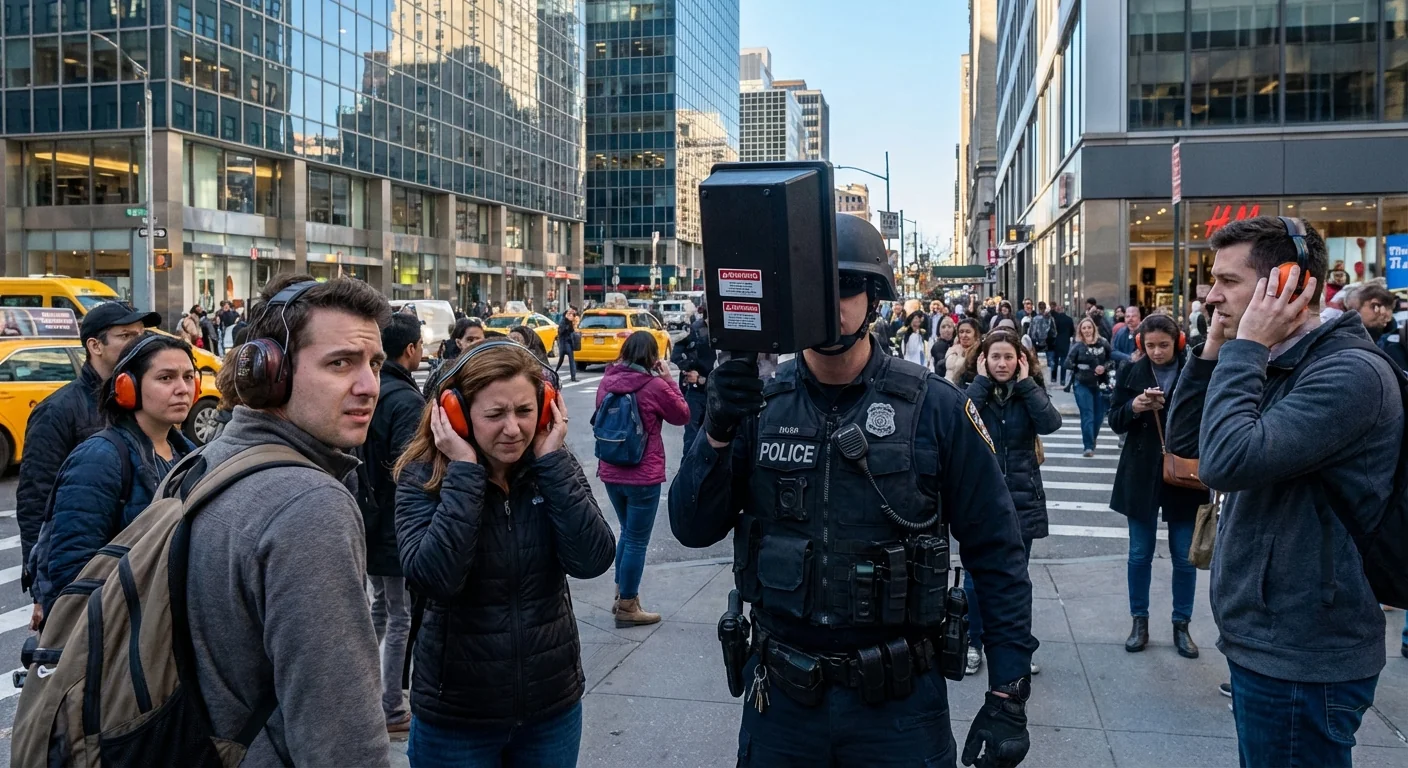
Sound above 120 decibels can injure hearing fast. Distance, time, and protection matter. Move away, cover ears, and seek quiet.
What happened in Minnesota
The Minnesota State Patrol confirms it activated an LRAD to disperse protesters in Maple Grove. The device broadcast crowd control orders. It projected sound toward the group to move people from an intersection.
The Patrol says the goal was safety and clear communication. The deployment will trigger after action reviews, including whether distance, duration, and volume settings followed policy. I will be seeking the audio logs, activation records, and any internal guidance on use. Minnesota’s Data Practices Act requires timely disclosure of many of these records.
This incident lands in a tense space. Communities want safety. They also want tactics that do not punish lawful speech. When sound crosses into pain, the legal questions sharpen fast.
The legal stakes
Courts have signaled that LRAD use can count as force. A federal appeals court held that officers can face excessive force claims for using the alert tone on peaceful crowds. The analysis looks at need, proportionality, and injury risk. That means facts matter, like volume, distance, exposure time, and whether people had a clear way to leave.
First Amendment rights are also in play. Police may issue time, place, and manner orders. Those orders must be content neutral, clear, and leave open options to speak elsewhere. Using an LRAD for commands can help with clarity. Using the painful tone on a crowd that is not violent can chill speech and draw liability.
Disability law matters too. People with hearing aids, sensory sensitivities, PTSD, or autism may suffer amplified harm. Agencies must plan for reasonable accommodations during crowd operations.
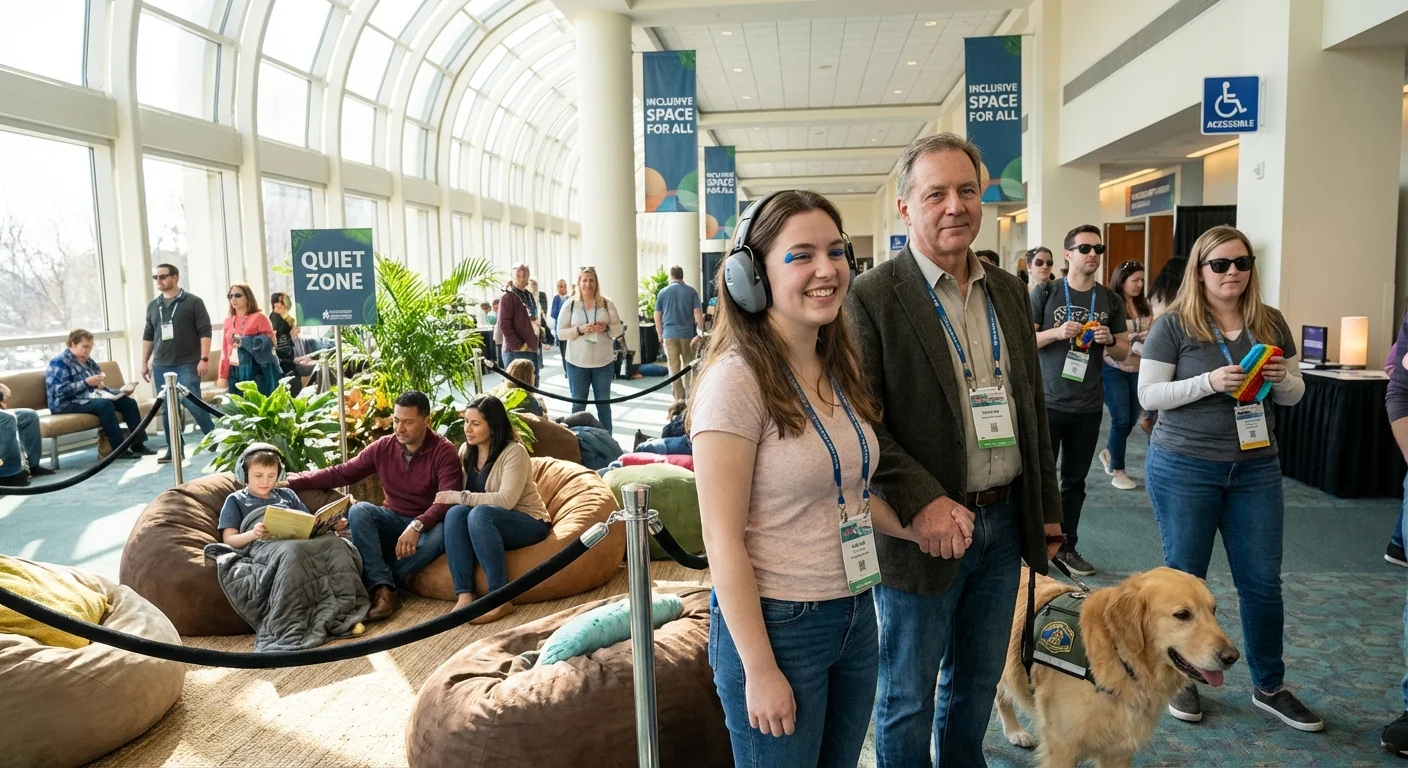
At a protest, you can record police from a safe spot. If an LRAD activates, step back, cover your ears, and leave if ordered. Seek medical care for ringing or pain. Save your videos and notes.
What citizens should know
You have the right to assemble, speak, and record. Police may lawfully order dispersal in specific situations, like blocking traffic or when violence starts. They must give clear instructions, time to comply, and a safe exit route.
If you experience harmful sound, document what happened. Note time, place, the model of device if visible, and your position relative to it. Keep medical records for any hearing issues. You can file a complaint and request public records.
- Ask for the agency’s LRAD policy and training materials
- Request the decibel settings, activation times, and after action report
- Save video with unedited audio to capture loudness and commands
- Consult counsel if you suffered injury or were arrested
The policy path forward
This moment calls for clear rules. Agencies that keep LRADs should adopt strict limits. Voice mode should be the default for communication. The alert tone should be barred for crowd control except in narrow, imminent threats to life. There should be minimum stand off distances and time caps for any tone activation. Operators and nearby officers should use hearing protection when feasible.
Policies must also require warnings, exit routes, and medical support on site. Every activation should create a record. That includes location, duration, settings, and the reason. Supervisors should review each use. City councils and oversight boards should receive quarterly reports and hold public hearings.
Community input matters. People need to hear how these devices work, see the data, and shape the rules. That is how trust is built, and how harm is reduced.
Conclusion
Last night’s LRAD deployment in Maple Grove is a test. Can public safety use sound to inform, not injure. The law sets guardrails. The Constitution protects speech and bodily integrity. The answer will depend on policy, training, and transparency, and on whether officials treat sound as a message, not a weapon. I will keep pressing for the records and the reforms this moment requires.