CBP under fire after fatal Minneapolis shooting, new data sweep proposal, and AI push
A U.S. Border Patrol arrest attempt in Minneapolis ended in a fatal shooting. The use of deadly force, plus CBP’s expanding reach into cities, digital screening plans, and AI-driven trade enforcement, now face immediate legal and civic scrutiny. I am tracking the investigation and the policy fallout in real time.
What happened in Minneapolis
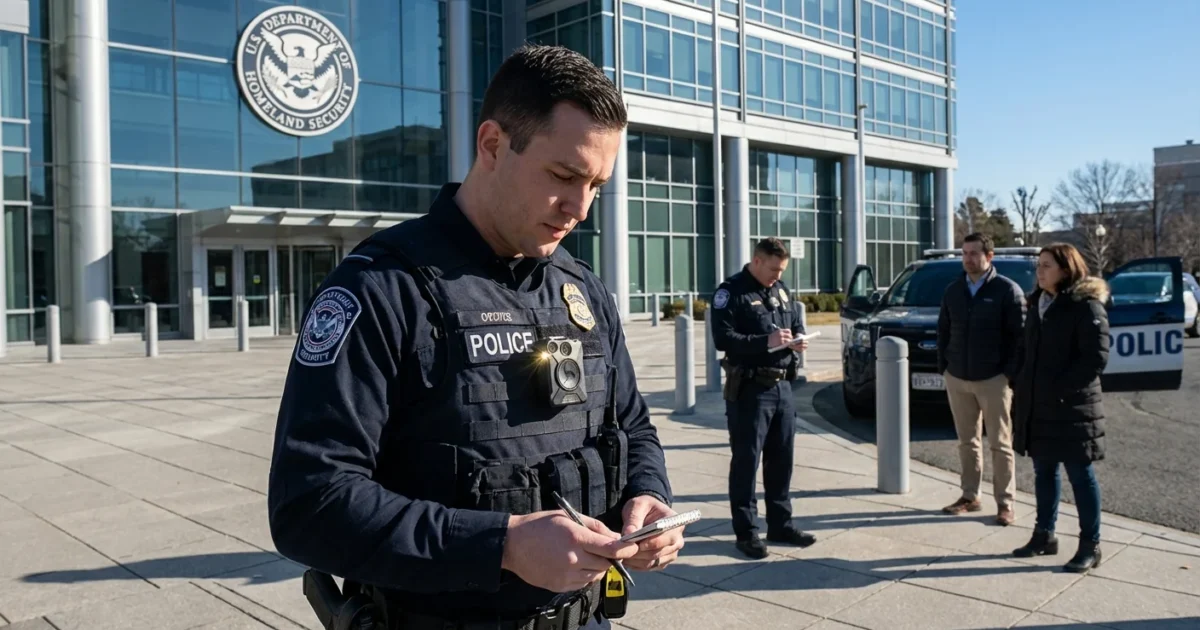
On January 24, a Border Patrol agent shot and killed Alex Jeffrey Pretti, 37, during an attempted arrest near 26th Street and Nicollet Avenue. Officials say Pretti was armed and allegedly brandished a gun. The agent fired and Pretti died at the scene. Federal and local inquiries began within hours.
CBP’s Office of Professional Responsibility has opened a case. The matter has been referred to the Department of Homeland Security Inspector General, standard practice in deaths involving federal agents. Local prosecutors will review any use of force evidence for potential charges. The agency has expanded its body worn camera program, and any footage will be central to the review.
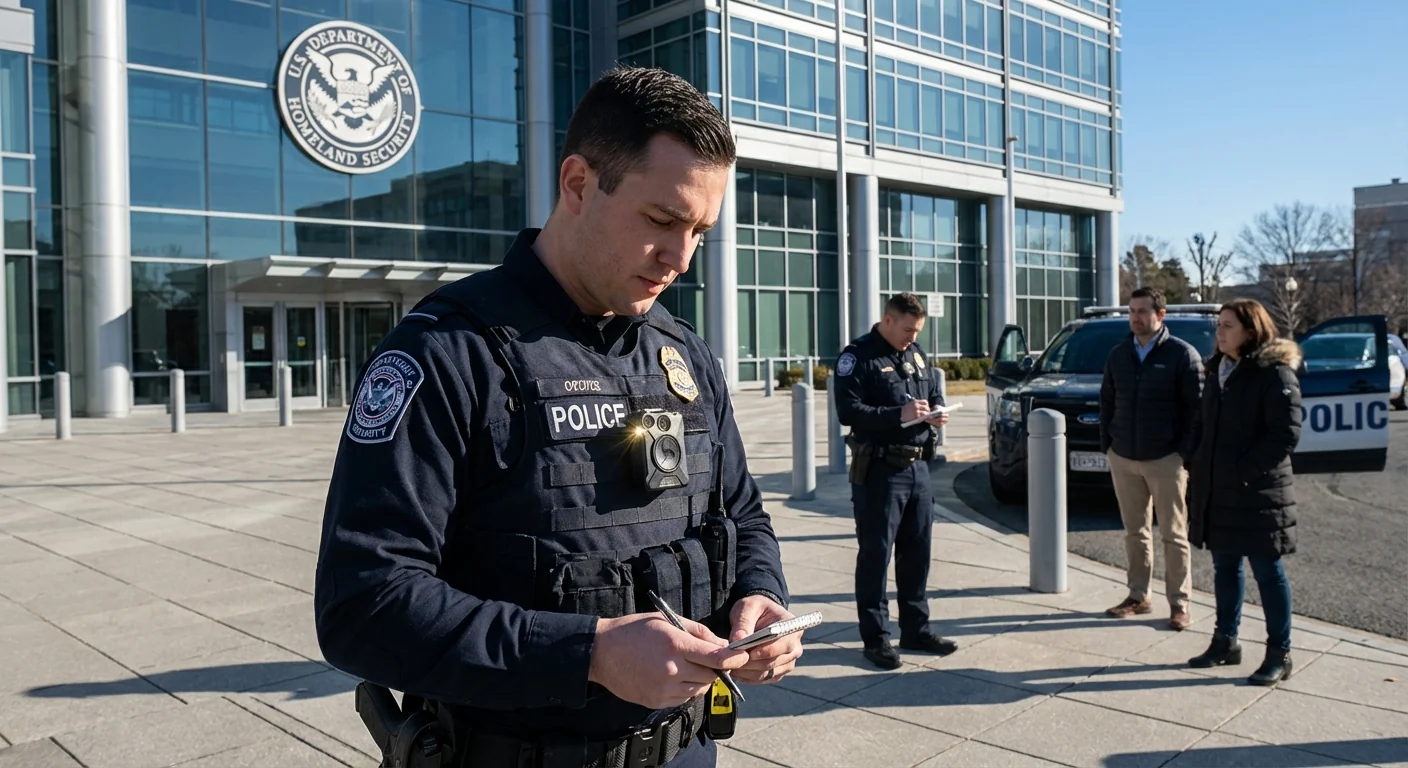
CBP policy permits deadly force only when there is an imminent threat of death or serious injury, consistent with Supreme Court guidance in Graham v. Connor and Tennessee v. Garner.
The legal stakes, use of force and jurisdiction
Why was a Border Patrol agent operating in Minneapolis, far from a land border. Federal law, including 8 U.S.C. 1357 and 19 U.S.C. 1589a, gives CBP authority to make certain arrests nationwide and to work on joint task forces. The government must still show proper legal basis, such as a warrant or probable cause for a federal offense.
The core question is necessity and reasonableness. Investigators will examine whether the agent faced an imminent threat, whether de escalation was attempted, and whether the location and tactics matched policy. If body camera video exists, its release timeline will shape public trust and any charging decision. Civil suits under Bivens theory or the Federal Tort Claims Act are also possible, though complex and limited.
Policy moves putting CBP under the spotlight
CBP eyes expanded social media screening
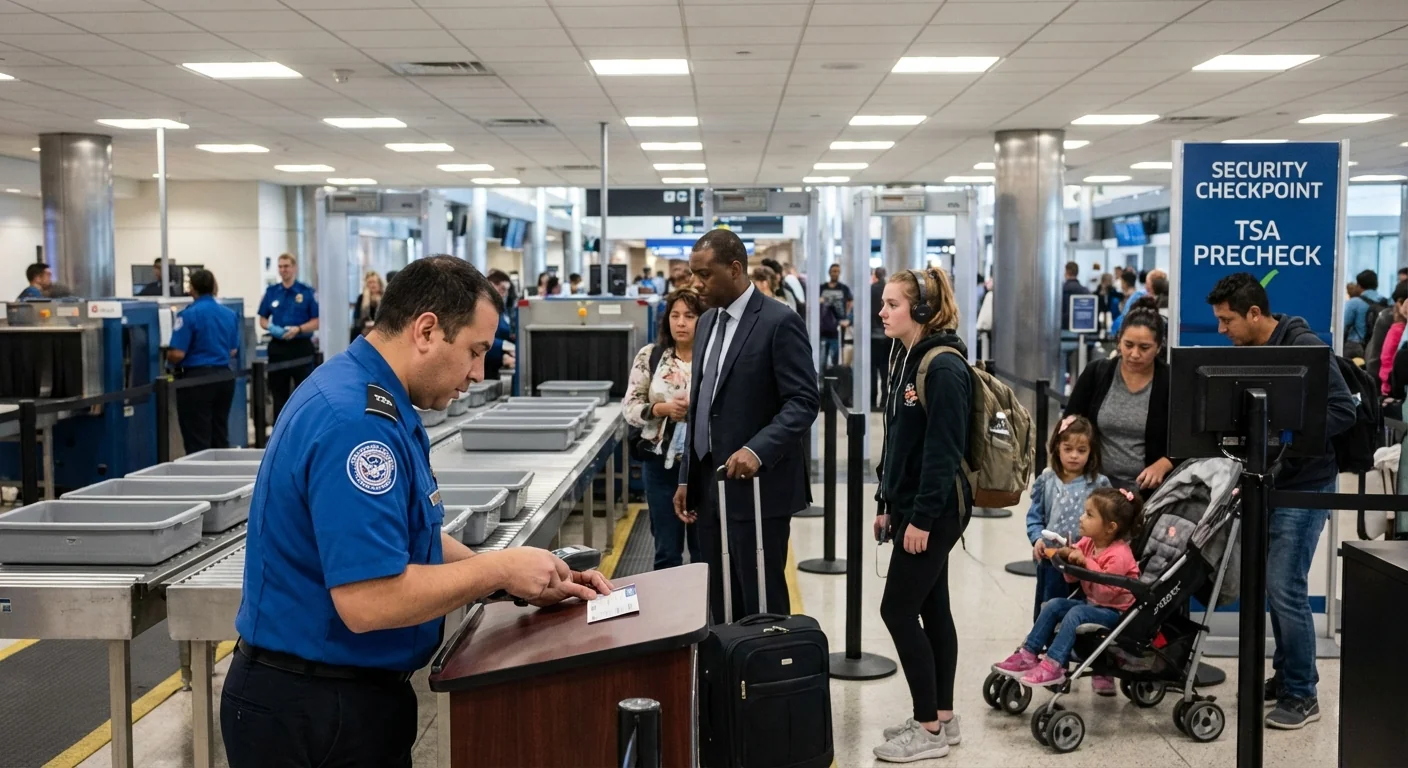
CBP has proposed requiring up to five years of social media history from some travelers, including visa waiver applicants using ESTA. The plan is in a public comment period that runs into mid February. The agency says it seeks risk signals to improve vetting. Civil liberties groups warn of chilled speech and broad data grabs without clear guardrails.
This is not final. It triggers review under the Paperwork Reduction Act and DHS privacy processes. Noncitizens have fewer procedural protections at the border, yet the First Amendment climate matters for everyone. The key tests will be transparency, data minimization, and appeal routes for travelers who are flagged by mistake.
Raids and rights in South Texas
CBP and ICE have stepped up enforcement actions in and around Brownsville. That includes roadside stops and worksite operations. The Fourth Amendment applies to federal officers. Stops must rest on reasonable suspicion and searches generally require a warrant or valid consent. In workplaces, agents need proper warrants, or consent from someone with authority, or an exigent circumstance.
These operations strain community confidence. Families worry about children left behind and the fate of mixed status households. Clear notice of rights, access to counsel, and access to interpreters can reduce harm and error.
AI in trade enforcement
CBP is expanding tech enabled screening through a two year contract with Altana. The goal is to map supply chains, flag high risk shipments, and enforce laws that include national security tariffs and the Uyghur Forced Labor Prevention Act. Importers face real stakes. Detentions can freeze goods for weeks and false positives can disrupt payrolls.
Due process in trade matters is not optional. Importers can present evidence, seek administrative review, and file protests under 19 U.S.C. 1514. CBP must publish clear criteria, audit its models for bias and error, and offer meaningful appeal paths.
What citizens and travelers should know right now
- You have the right to remain silent. Ask if you are free to leave.
- You have the right to a lawyer if you are detained or questioned about a crime.
- You do not have to consent to a search. Say clearly that you do not consent.
- You can record law enforcement in public from a safe distance.
To comment on the social media proposal, submit a concise, specific note during the open period. Cite practical impacts, offer alternatives, and request public reporting on error rates and appeals.
What comes next
Expect a layered review of the Minneapolis shooting. Look for confirmation on warrants, probable cause, and any body camera release. Watch DHS leadership for guidance on urban operations and de escalation. The social media plan will draw hundreds of comments before any final rulemaking. In trade, CBP must show its AI tools are accurate, fair, and accountable.
This moment is about power and restraint. CBP is operating in city streets, in your phone, and in global supply chains. The law sets the limits. The public sets the expectations. The next few weeks will show whether the agency can meet both.