BREAKING: Noem Faces DHS Meltdown After Minneapolis Killings, New Video, and Federal–State Clash
Two people are dead. New video undercuts the government’s story. And Kristi Noem’s hold on Homeland Security is slipping fast. I am confirming tonight that pressure on the Secretary has surged after federal immigration agents killed two U.S. citizens in Minneapolis during Operation Metro Surge. The White House has sent border adviser Tom Homan to take over Minnesota operations, a clear rebuke to Noem’s leadership.
What the video shows, and what the law requires
Renée Good and Alex Pretti were shot by federal agents during street encounters in Minneapolis. The second killing is the flashpoint. I have reviewed footage that shows Pretti holding a phone when agents opened fire. That image cuts against the early DHS claim that he posed a lethal threat.
Use of deadly force by federal officers is governed by the Fourth Amendment. The Supreme Court set the standards in two key cases. In Tennessee v. Garner, officers cannot use deadly force unless a suspect poses a significant threat. In Graham v. Connor, force must be objectively reasonable in the moment. If the video is accurate, DHS faces serious liability risk. That includes civil suits by the families and potential criminal exposure under 18 U.S.C. 242, deprivation of rights under color of law.
I am told the Justice Department is assessing the footage now. Expect parallel reviews by DHS’s Office for Civil Rights and Civil Liberties, and the Inspector General. If inconsistencies in DHS statements are confirmed, obstruction concerns will grow.
Deadly force cases turn on what officers knew at the moment, not hindsight. Video evidence often shapes that judgment.
A governance crisis inside DHS
Operation Metro Surge put thousands of agents on Minneapolis streets in recent weeks. There have been about 3,000 arrests, large protests, and schools pushed to remote learning. As public anger grew, the President dispatched Tom Homan to manage the Minnesota mission. Several agents have started to pull back. Noem says she has no plans to withdraw forces statewide.
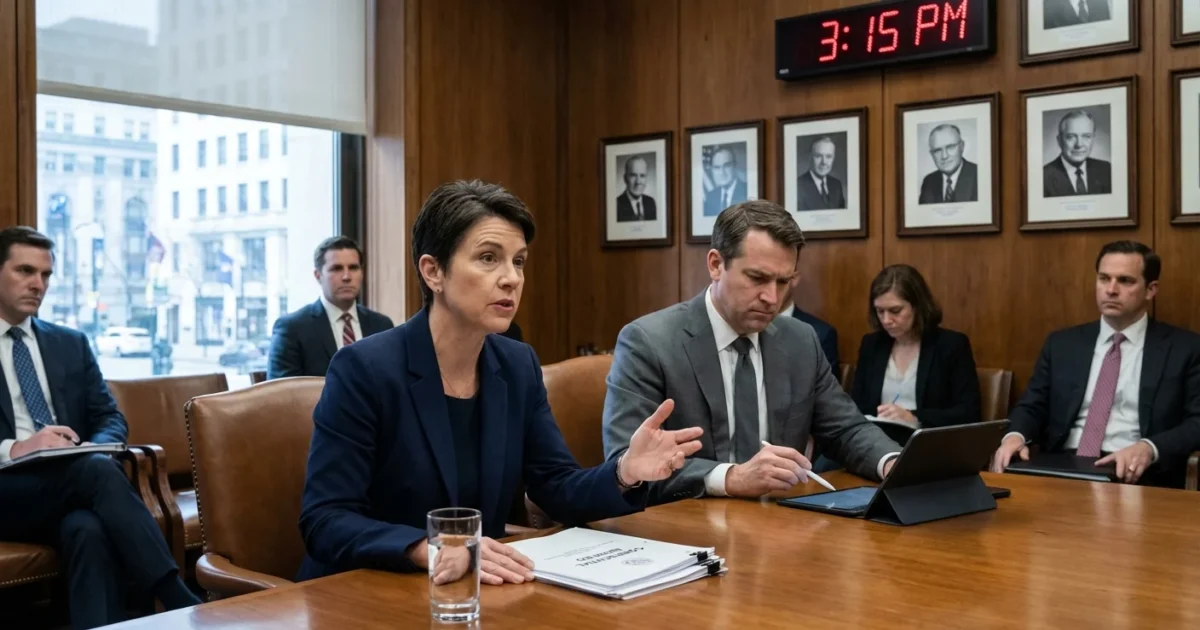
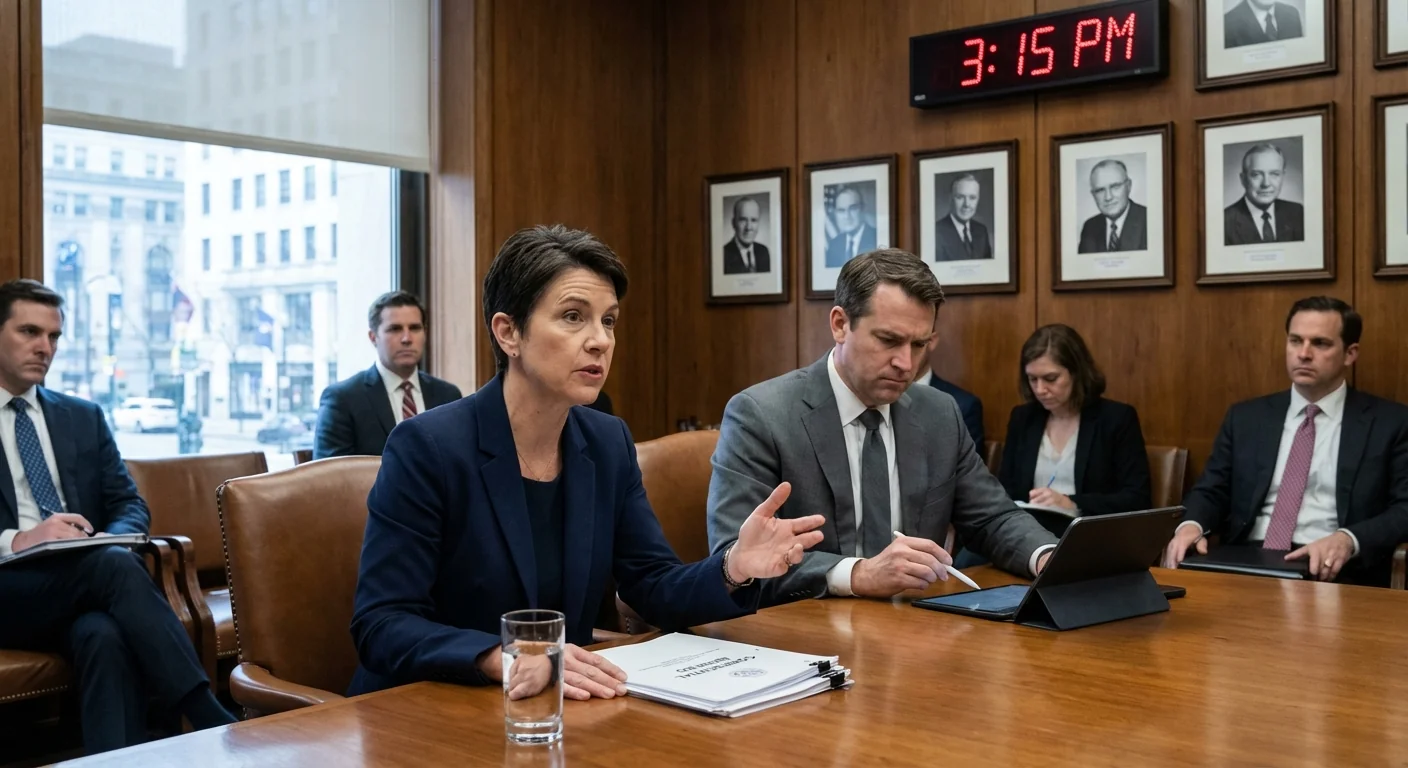
That split is glaring. It raises chain of command questions, and it fuels internal dissent. If Homan is calling field shots, Noem’s authority is weakened in the eyes of Congress and the courts. It also raises accountability issues. Who signs off on rules of engagement. Who adjusts tactics after a deadly incident. Those answers matter in any lawsuit under the Federal Tort Claims Act and in civil rights claims against individual officers.
[IMAGE_2]
The legal fights hitting the courts
Minnesota state and city officials have sued under the Tenth Amendment and the Administrative Procedure Act. Their claim is simple. The federal deployment is arbitrary, disruptive, and not grounded in a lawful policy record. The government will argue preemption and executive enforcement power. States will answer with anti commandeering limits and the duty to follow reasoned decision making.
Two fault lines will decide early motions. First, whether DHS changed policy without a reasoned explanation, which can be arbitrary and capricious. Second, whether local officials can seek injunctions based on public safety harms. Judges often hesitate to micromanage federal enforcement, but they do act when agencies cut corners.
Temporary restraining orders turn on urgency and likelihood of success. Expect a fast hearing, then a rapid appeal.
Congress moves toward impeachment, and the politics get sharp
I can also confirm that more than 140 House Democrats have backed an investigation led by Rep. Robin Kelly. The resolution targets three areas, obstruction of oversight, misleading statements about the shootings, and self dealing tied to a 200 million dollar DHS contract. Senator Jacky Rosen has called for impeachment in the Senate. Governors Maura Healey and Kathy Hochul want Noem removed.
Impeachment of a cabinet official is rare, but it is possible. The House can approve articles by a simple majority. The Senate then holds a trial. With Republicans in control, conviction is unlikely today. But subpoena power and public hearings will expose documents and testimony. That discovery could shape the Minnesota cases and fuel pressure for resignation.
Conflicting official statements can trigger separate legal risk, including false statements to Congress and the Inspector General.
Your rights if you encounter federal agents
These events are alarming, but clarity helps. Here are core rights to keep in mind:
- You have the right to remain silent, except for basic identification in some states.
- You have the right to ask if you are free to leave, then calmly walk away if allowed.
- You have the right to refuse consent to a search of your body, car, or phone.
- You have the right to record officers in public, at a safe distance.
Do not interfere with active operations. Do not resist. Ask for a lawyer if you are detained or arrested. 📱⚖️
The bottom line
This is a DHS crisis that blends use of force, federal state conflict, and raw politics. The video raises Fourth Amendment doubts. The lawsuits test how far Washington can push cities without process. And Congress has opened a door to impeachment, even if the votes are not there yet. Noem’s survival now depends on rapid transparency, a reset of field tactics, and cooperation with investigators. Families want answers. Courts want facts. The next few days will decide who, exactly, is in control.