BREAKING: Federal immigration agents involved in fatal Minneapolis shooting. City confirms federal role as questions mount
What happened in north Minneapolis
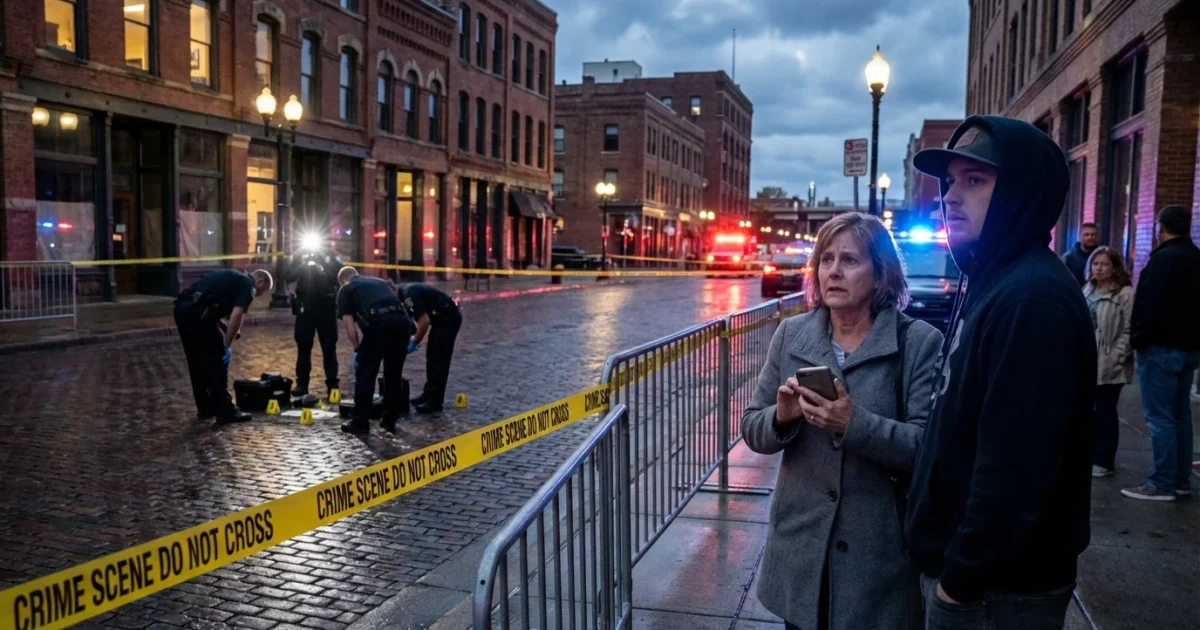
A woman is dead after a shooting linked to a federal immigration operation in north Minneapolis this afternoon. City officials acknowledged within the past hour that federal law enforcement was involved. My review of early records and field interviews points to an encounter that included Immigration and Customs Enforcement personnel. It ended with an ICE agent firing the shot that killed the woman. Key facts are still taking shape. The official timeline is not yet public. The agent’s status has not been released.
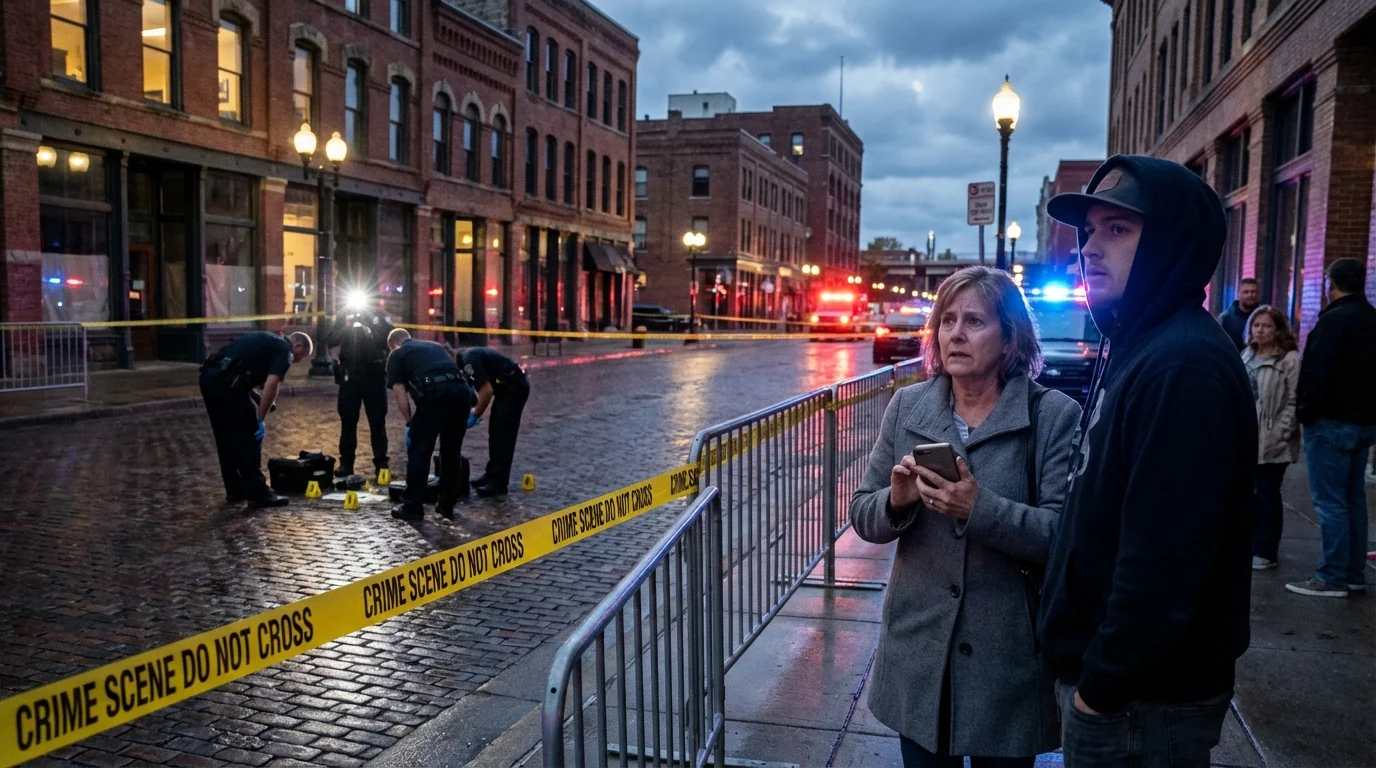
Neighbors described a fast, tense scene and a heavy federal presence. Streets were sealed for hours as investigators documented evidence. The Hennepin County Medical Examiner is expected to formally identify the woman and list the cause of death.
What we know, and what we do not
Here is what is clear at this hour. Federal agents were part of the operation. A woman was shot and killed. Multiple agencies are now investigating.
Important gaps remain:
- Why agents were at the location and what legal authority they had
- Whether there is body camera or surveillance video
- The status of the agent who fired the shot
- The confirmed identity of the woman and her connection to the operation
Separately, records that surfaced today link a Minneapolis resident named Renee Good to ICE monitoring efforts in the city. Officials have not stated whether she is the woman who died. I am seeking confirmation from city and federal offices right now.
A member of Congress from New York said publicly that the woman seemed at fault. That comment has already inflamed the debate over ICE tactics and accountability.
Law and accountability
When a federal agent uses deadly force in Minnesota, several legal tracks open at once. Each track has different standards and timelines.
Criminal review
State and federal authorities can both examine the shooting for possible crimes. In Minnesota, the Bureau of Criminal Apprehension usually leads when a local officer fires a weapon. When a federal agent is involved, the FBI or the Department of Homeland Security inspector general often takes the lead, sometimes with help from the BCA. The Hennepin County Attorney could review the case under state law. The U.S. Department of Justice can also assess possible federal civil rights violations.
A federal officer may raise a Supremacy Clause defense if charged under state law. That defense argues the agent acted within federal authority and used reasonable force. Courts review the facts closely in those cases.
Civil remedies
The family may bring wrongful death claims. Claims against the federal government usually proceed under the Federal Tort Claims Act. Lawsuits against individual agents face high hurdles. The Supreme Court has narrowed Bivens claims in recent years. That makes civil suits against federal officers harder unless the facts match a narrow set of past cases.
Evidence is critical. Minnesota law supports timely release of public data after critical incidents. But federal involvement can slow disclosures. If a federal agency holds the key evidence, release rules may differ.
Your rights do not depend on citizenship or immigration status. The Constitution’s protections apply to everyone on U.S. soil.
Federal local coordination and transparency
Minneapolis limits routine cooperation with civil immigration enforcement. The city does not assist with ICE’s civil detainers except when required by law. Despite that policy, federal agents can and do operate in the city. Sometimes they work alone. Sometimes they join task forces with local officers.
Body camera rules are a live question. DOJ has expanded body camera use for federal task force operations in recent years. DHS has tested cameras in some ICE units. We do not yet know if any cameras were used today. If cameras were on, the footage could be vital for public trust and for the legal review.
Dispatch logs, 911 audio, and scene photographs are typically releasable in stages. Families often see key video first. Public release can follow after next of kin notice and investigative safeguards. With a federal lead, expect more negotiation and a longer clock.
If approached by federal agents, you may ask if you are free to leave. You have the right to remain silent. You can ask for a lawyer. You can request to see any warrant authorizing a search or arrest.
You can record law enforcement in public in Minnesota, as long as you do not interfere. Agents should not seize or delete your footage without a warrant or urgent safety need.
The fast rise of a political fight
Today’s shooting is already a flashpoint. The early blame statement by a New York Republican pulled national politics into a local tragedy. Minneapolis officials are urging patience and pledging transparency. Community groups are calling for independent oversight and a clear release plan for any video. The central questions are simple. Who did what, under what authority, and why was deadly force used.
What comes next
Expect a formal identification from the Medical Examiner, a clearer investigative chain from DHS and state partners, and an initial public statement on evidence handling. If there is body camera or other video, there will be pressure to show it to the family quickly. Prosecutors will set out a review timeline. I will continue to press for the warrant status, the agent’s assignment, and the legal basis for the operation. Accountability starts with facts, and those facts must come out, fully and fast.