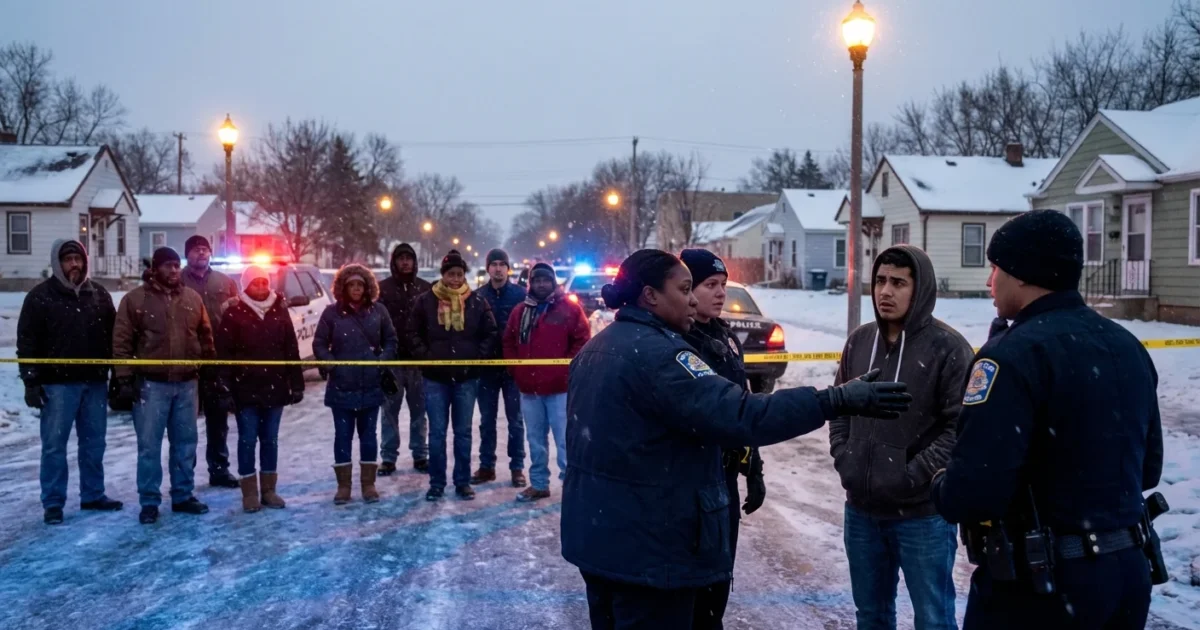
A woman is dead after a shooting in north Minneapolis that involved federal immigration agents. City officials confirmed to us that federal law enforcement, including ICE, took part in the operation. The scene is tense. The questions are urgent. And the stakes are high for how this city handles federal power.
What we know, and what remains disputed
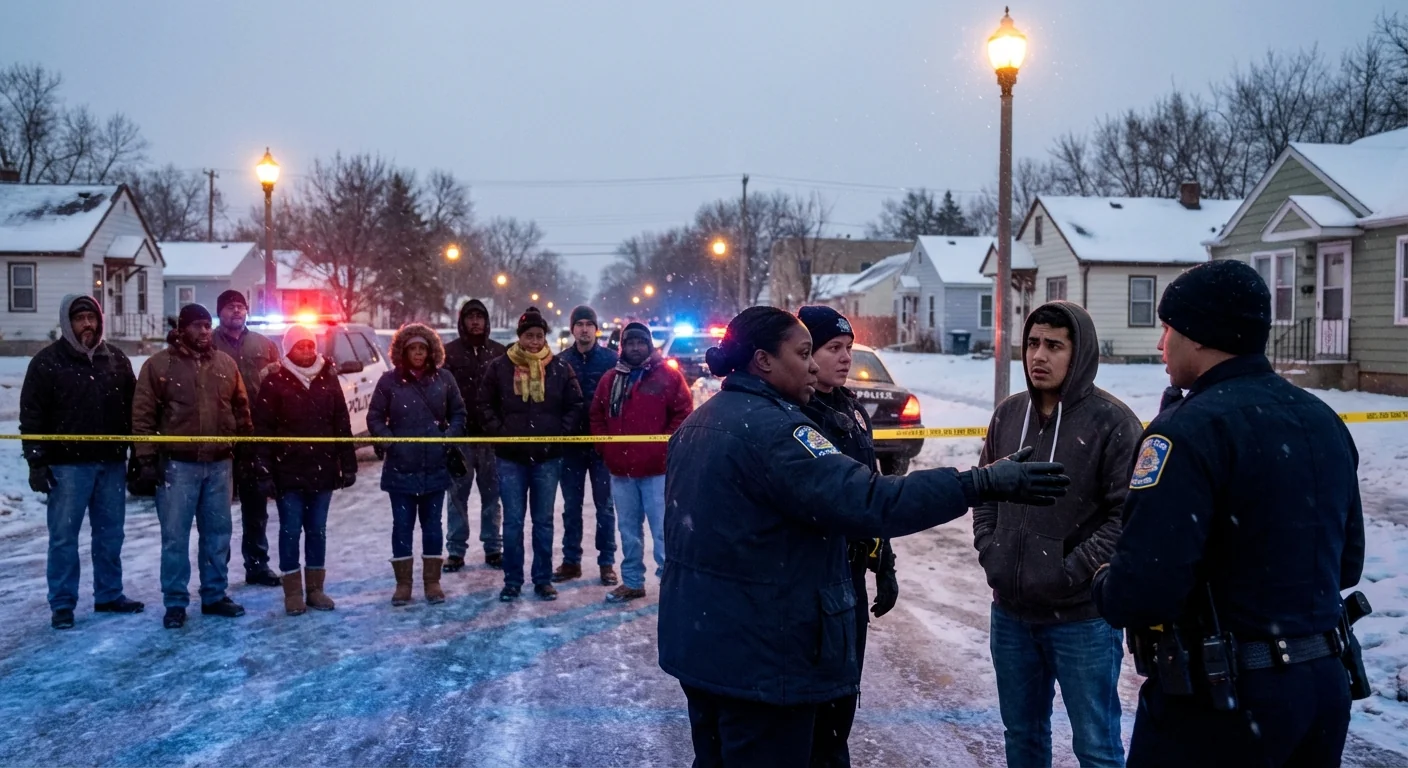
The shooting happened during a federal enforcement action in a north Minneapolis neighborhood. Officials told us that federal agents were present and that a woman was killed. Local police responded and secured the area. The identities of the agents and the woman have not been released.
Key facts are still developing. Officials have not said what led up to the shot being fired. It is not clear whether the woman was a target of the operation. Witness accounts differ on what happened in the moments before the shooting.
Confirmed so far:
– Federal agents, including ICE, were on scene
– A woman was killed
– Local police are assisting the investigation
– Public release of names and footage has not yet happened
We are tracking demands from community leaders for full transparency. We are also seeing early political claims that blame the victim. That rhetoric is inflaming grief and anger. It does not answer core legal questions.
The law that governs federal force in our city
When a federal agent uses deadly force, several layers of law apply. Federal agencies follow the Supreme Court’s reasonableness standard under the Fourth Amendment. Minnesota law on officer use of force also sets clear boundaries. State law will shape local cooperation and evidence handling.
Expect parallel reviews. The Department of Homeland Security can open an internal use of force review. Its Inspector General can investigate. The U.S. Attorney can assess potential federal charges. Minnesota’s Bureau of Criminal Apprehension can assist with scene work and forensics if requested. The county attorney will watch closely, since the death occurred here.
Cameras are a major question. Many Minneapolis officers wear body cameras. Federal agents often do not. DHS has piloted body cameras for some units. It is not clear whether any recording exists from this operation. If there is video, release rules will differ. Local footage is subject to Minnesota’s Data Practices Act. Federal footage falls under FOIA.
Federal local coordination, and why it matters now
Minneapolis restricts the use of city resources for civil immigration enforcement. That policy aims to protect trust between residents and local police. It does not bar federal agents from operating here. It does shape how information flows and how joint operations are planned.
This case shines light on that balance. When federal teams enter a neighborhood, residents often cannot tell who is in charge. Are they dealing with ICE, another federal unit, or local police. Clear markings and public notice cut confusion. Lack of clarity fuels fear.
Recent documents, now public, describe how immigration enforcement tracks leads in Minneapolis. They point to data sharing with outside partners, and monitoring tactics that touch local spaces. That context matters. It raises oversight questions about surveillance, warrants, and proportionality during operations in crowded blocks.
Officials should move fast to clarify jurisdiction, produce a timeline, and state whether a warrant existed. Any delay will erode trust.
Your rights when ICE is at your door
You have rights, even during a federal action. Use them calmly. Record what you can. Do not interfere with officers’ movements.
- You can remain silent. You do not have to answer questions about immigration status.
- You can ask to see a warrant signed by a judge with your name and address.
- If officers lack a judicial warrant, you can refuse consent to enter your home.
- You can film public officials in public places, as long as you do not obstruct.
Say, I do not consent to a search. I wish to remain silent. I want to speak to a lawyer.
If agents detain you, ask if you are free to leave. If not, state that you want a lawyer. Do not resist physically. Note badge numbers and agencies if possible.
What comes next, and what accountability looks like
The path forward is clear on paper, but it needs action. Leaders must announce which agencies are investigating and set timelines for updates. The city should state its role, including whether body camera footage exists. Federal agencies should confirm their use of force policy in effect last night, and whether any policy exceptions applied.
Public accountability also means documents. Minneapolis can process data requests for its own records. Federal agencies must handle FOIA requests for theirs. Families need information to grieve. Communities need facts to calm fears. Courts will need evidence that meets the law.
The core test is simple. Can our systems tell the truth, and do so quickly. A woman is gone. The government used deadly force in a residential neighborhood. That demands candor, not spin. It demands law, not politics. We will keep pressing for answers, and we will publish them as we confirm them. ⚖️
In the hours ahead, watch for a public briefing, names of involved agents if policy allows, and any indication that video exists. The law provides tools for oversight. It is time to use them.