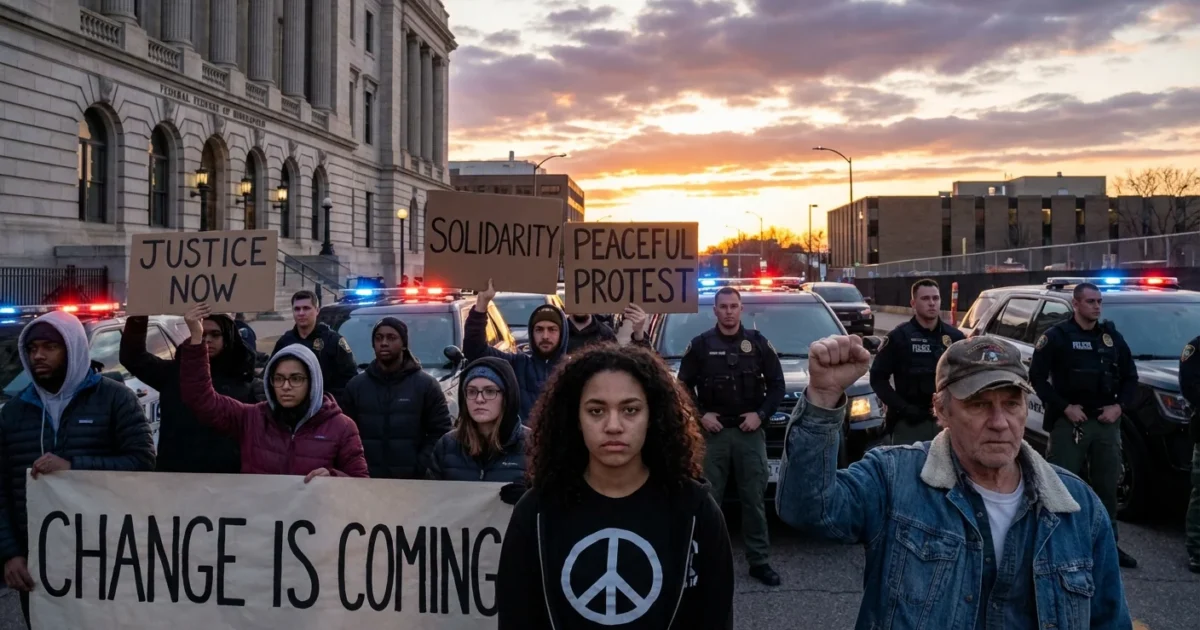
A federal immigration sweep in Minneapolis ended in gunfire this afternoon. A Department of Homeland Security agent shot a man in the leg during an enforcement action. Within hours, crowds gathered in the street. The scene shifted fast, from flashing lights to protest chants. Here is what is confirmed, what is under review, and what your rights are right now.
What Happened
DHS says an agent fired a single shot after being attacked during an immigration operation. The man who was shot was taken for medical care. His condition has not been released. Officials have not said what agency unit was involved, why the team was at that address, or whether any arrests followed.
Local police secured the scene while federal supervisors collected initial statements. Expect a layered review. DHS standard practice is to trigger both a criminal inquiry and an internal administrative review after any agent-involved shooting. That process will examine whether the use of force met federal policy and constitutional standards.
This is a developing investigation. Key facts may change as evidence is gathered and reviewed.
What we know so far:
- A DHS agent shot a man in the leg during an immigration operation in Minneapolis.
- DHS says the agent was attacked before firing.
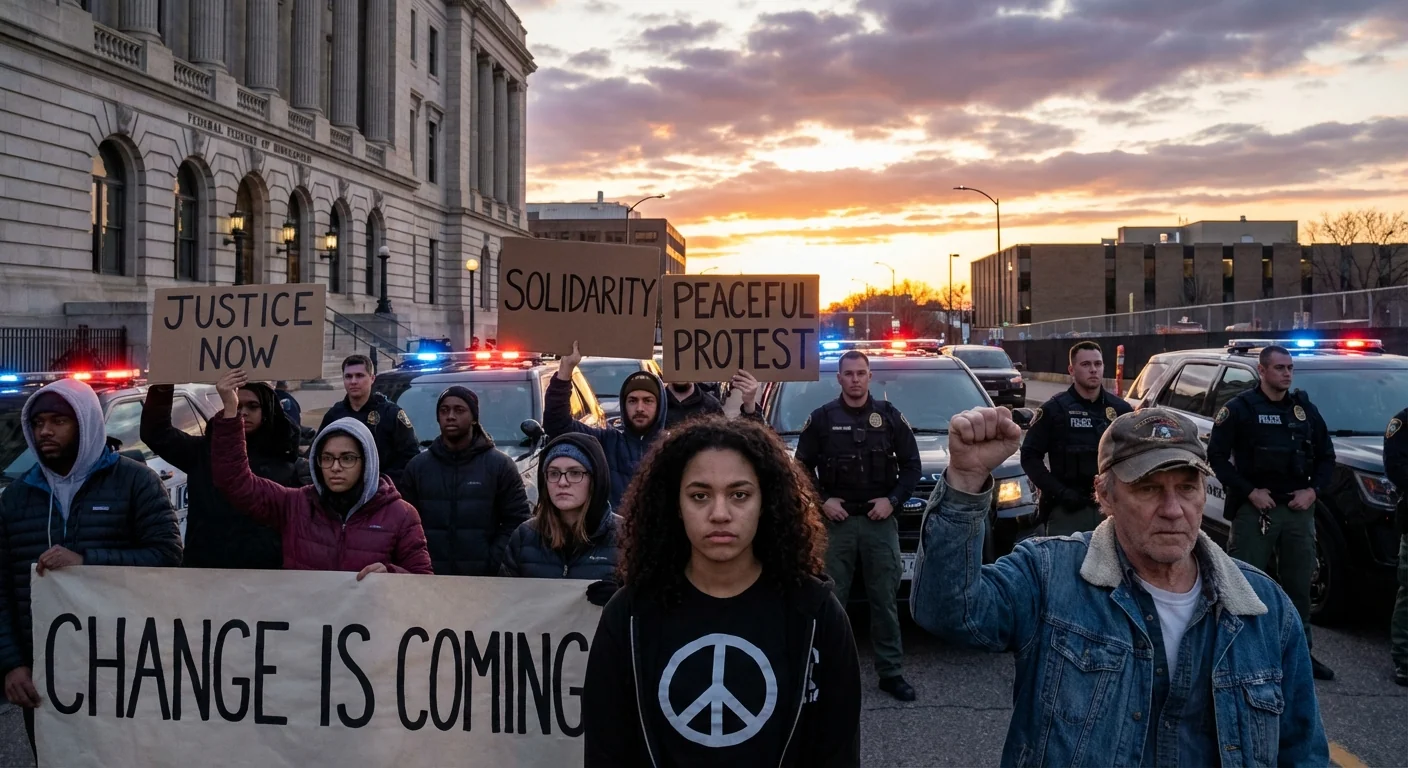
- Protests formed quickly near the scene and at a federal building.
- Officials have not released names, body camera details, or final charges.
- Multiple investigations are now in motion and could take weeks or months.
The Legal Questions Now
The core legal test is the Fourth Amendment. Investigators will ask whether the force used was objectively reasonable, given what the agent knew in the moment. Courts look at immediate threats, resistance, and the severity of suspected offenses. That is the Graham v. Connor standard. It applies to federal agents as it does to local officers.
Two tracks usually follow. First, a criminal review, often with the U.S. Attorney and, if needed, the FBI civil rights team. Second, an administrative review by DHS, which can result in discipline or policy changes. Minnesota’s Bureau of Criminal Apprehension often investigates police shootings, but this case centers on a federal agent. State investigators can still assist if requested.
One open question is video. DHS has been expanding body camera programs in some components. It is not yet clear whether cameras were used today. If video exists, it could be crucial to both accountability and public trust.
If the man who was shot is also a subject of the immigration operation, that raises added due process concerns. He retains the right to counsel, medical care, and to remain silent. His immigration status does not remove constitutional protections against unreasonable force.
What Rights Do Residents Have Today
People in Minneapolis have the right to protest. The First Amendment protects peaceful assembly, speech, and the press. Police may set time, place, and manner rules for safety. They must keep those limits content neutral and narrowly tailored.
Recording is lawful in public spaces. You can film officers as long as you do not obstruct. Keep a safe distance. Do not interfere with medical care or evidence collection. Officers can order crowds to move for safety. They should give clear instructions and a path to comply.
If you attend a protest, write a legal aid number on your arm, carry ID, and set a plan to leave safely. 📷
If you are stopped, you can ask if you are free to go. If not, ask for a lawyer. You do not have to consent to a search. For immigration questions, you can decline to answer about your status. You can ask for an attorney before any interview.
Accountability and Next Steps
Expect a disciplined release of information. Names are usually withheld until interviews are done and next of kin are notified. Agencies may release a preliminary statement, then a fuller timeline later. If there is video, it could be released after witness statements are secured.
Residents can seek records. For federal materials, file a Freedom of Information Act request with DHS. For local response records, use the Minnesota Government Data Practices Act. Be precise. Ask for incident reports, radio traffic, and any available video.
To file a complaint about officer conduct, use both channels. Submit to DHS Office for Civil Rights and Civil Liberties, and to the city’s oversight office if local officers were involved in the scene.
City leaders will face questions on coordination with federal teams. Minneapolis is already in a reform process after prior findings on policing practices. Today’s incident will test those systems, from crowd management to transparency.
The Bottom Line
A federal agent fired a shot in Minneapolis during an immigration operation. One man is injured. Investigations are underway, and the public is watching closely. The law demands a clear accounting of what happened and why. We will continue to press for facts, video, and timelines. Stay safe, know your rights, and expect updates as the evidence comes into focus.