BREAKING: Milwaukee County Judge Hannah Dugan convicted of felony obstruction, jolting Wisconsin’s justice system
A Milwaukee jury has found Judge Hannah Dugan guilty of felony obstruction. The case centers on actions prosecutors said helped an undocumented man avoid arrest. The verdict landed hard inside a courthouse that depends on public trust. It now tests the lines between civic protest and criminal conduct, and between a judge’s voice and a judge’s power.
The verdict and what it means right now
The jury spoke clearly. Dugan now faces a felony conviction that could bring prison time and fines. Her status on the bench is in immediate question. Court leaders are preparing to reassign her caseload as the system absorbs the shock.
Felony convictions carry real civic penalties. In Wisconsin, a felony can limit voting and firearm rights until civil rights are restored. For a sitting judge, the stakes are higher. The Wisconsin Judicial Commission can move fast. It can investigate and refer discipline up to the Wisconsin Supreme Court, which has final say on suspension or removal.
Today’s verdict does not criminalize protest. It punishes obstruction, which the law treats as conduct, not speech.
Where free speech ends and obstruction begins
This case sits at the hard edge of the First Amendment. Judges, like everyone else, have free speech rights. They can protest. They can speak about public policy. What they cannot do is interfere with law enforcement. The law draws that line on purpose.
For judges, the line is even brighter. Wisconsin’s Code of Judicial Conduct requires impartiality and integrity on and off the bench. Judges must avoid actions that erode public confidence. Helping someone avoid arrest crosses from protected expression into prohibited conduct. That is the core of this verdict.
What happens next inside the court system
Expect three fast tracks to unfold at once.
First, sentencing. The court will set a date. Defense lawyers can ask for release pending sentencing and can argue for probation or treatment alternatives. Prosecutors can seek incarceration.
Second, appeals. Dugan can file motions for a new trial, raise errors, and seek a stay of the conviction while appeal is pending. Appellate courts will review the record, the jury instructions, and key rulings.
Third, judicial discipline. The Judicial Commission can open a case, gather facts, and recommend discipline. The Supreme Court can suspend a judge during a criminal appeal if needed to protect the courts. If a vacancy occurs, state law controls who appoints a replacement and when voters have a say.
Milwaukee’s court leadership must also guard the day to day. Cases from Dugan’s docket will be reassigned to avoid delay. Lawyers may seek to revisit rulings that turned on credibility or discretion. Most past rulings will stand. But recusal, resentencing, or new hearings could be requested in select matters where confidence is at risk.
Expect defense lawyers to test the ripple effects. Stability for ongoing cases will be a top priority for the courts.
Immigration enforcement, local policy, and citizen rights
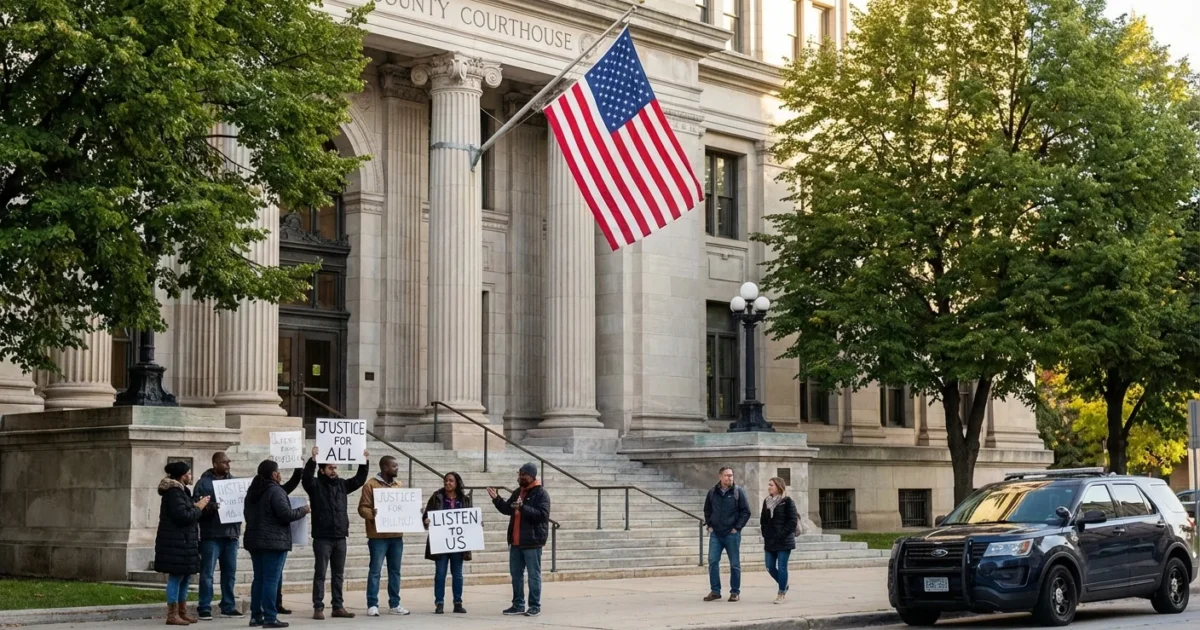
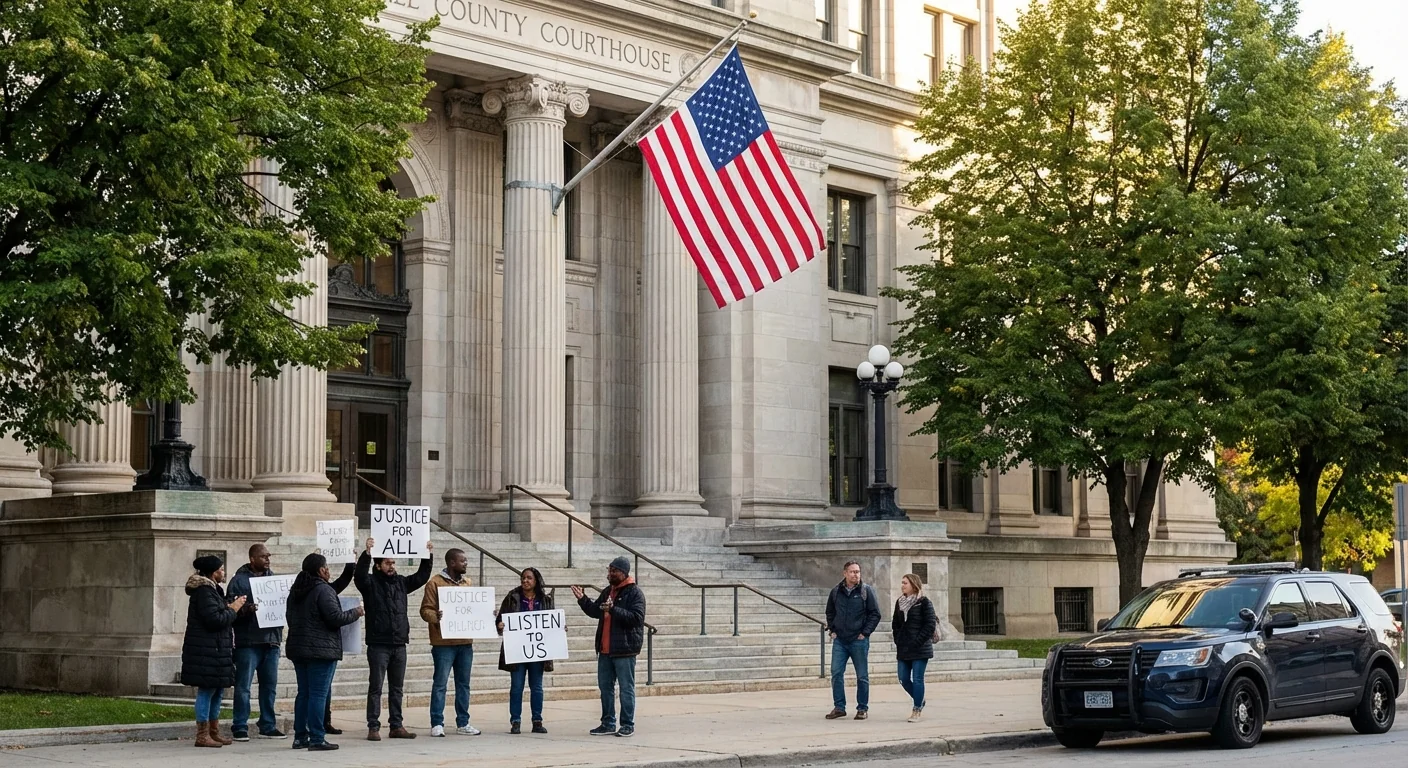
This verdict lands in the middle of a long debate over immigration enforcement in local spaces. Milwaukee has policies that limit some cooperation with federal officers, but those policies do not stop arrests. People can protest and dissent. They cannot physically block officers or help targets hide from arrest.
If you interact with police or federal agents, you still have core rights:
- You can remain silent.
- You can ask if you are free to leave.
- You can say no to a search if there is no warrant.
- You can ask for a lawyer if you are detained or questioned.
[IMAGE_2]
The issue now is not whether communities can speak. They can, and they will. The issue is how public officials, especially judges, must act when personal views meet legal duties. That tension is real. But the law gives judges less room than others because the robe carries unique power.
The political and policy fallout
State lawmakers will seize on this moment. Some will push for tighter ethics rules or faster removal paths for judges convicted of crimes. Others will warn against chilling civic engagement and lawful protest. County leaders will be pressed to clarify how local agencies coordinate with federal immigration officers at courthouses and public buildings.
Inside the legal community, expect calls to reinforce boundaries. Training on off bench conduct will get sharper. Bench books and ethics guidance will stress the difference between speaking out and stepping in. Public trust demands that the courts move quickly and transparently.
The bottom line
This verdict is a turning point for Milwaukee’s courts. It forces a clear answer to a hard question. How far can a judge go as a citizen before crossing into unlawful conduct. The next weeks will bring sentencing, likely appeals, and a formal ethics review. The justice system must show it can steady itself, protect rights, and enforce the law without fear or favor. The public will be watching, and it should.