BREAKING: All Eyes on MDC Brooklyn as High Profile Federal Detainee Placement Looms
New York’s federal pretrial machine is moving fast today. Attention is fixed on the Metropolitan Detention Center in Brooklyn, known as MDC Brooklyn. It is the federal jail that often holds the most sensitive defendants in New York before trial. When a high profile arrest hits federal court, the first question is simple. Where will the person sleep tonight?
What MDC Brooklyn Is, and Why It Matters
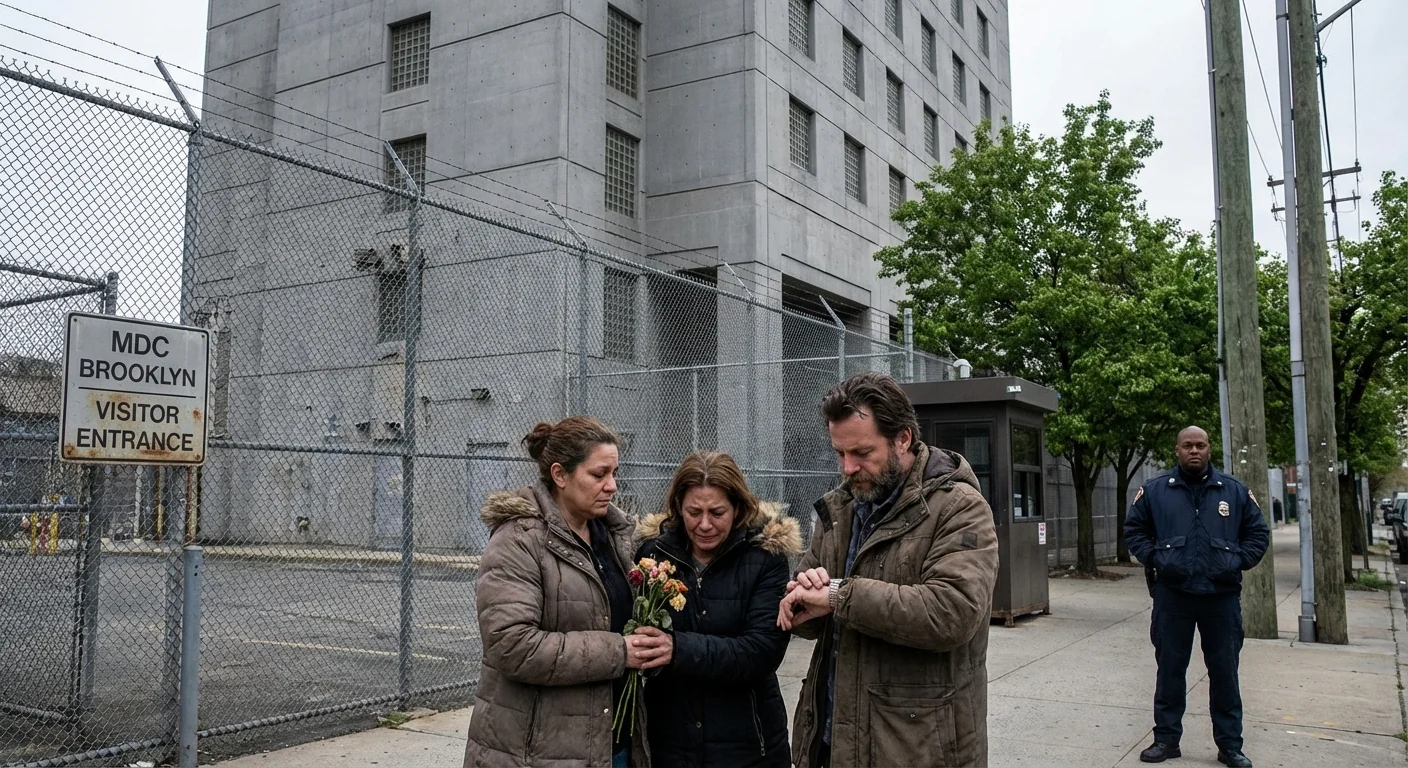
MDC Brooklyn is a Bureau of Prisons administrative facility in Sunset Park. It holds men and women who are awaiting trial or moving between courts. It serves both the Eastern District of New York in Brooklyn and the Southern District of New York in Manhattan. The U.S. Marshals Service transports detainees to and from court.
This jail is used in some of the biggest cases. In recent years, it held Ghislaine Maxwell, R. Kelly, and Sam Bankman-Fried. The reason is logistics. It is close to both federal courthouses and designed for fast movement to hearings. That proximity comes with strict control. Visitation, phone use, and unit movement can get tight during sensitive cases.

Today’s Legal Stakes: Placement, Process, and Proof
Do not assume a person is at MDC Brooklyn until it is confirmed. Intake decisions belong to the U.S. Marshals and the Bureau of Prisons. They weigh security, court schedules, and medical needs. They may also consider separation from co-defendants or potential witnesses.
Here is the tension. The public wants answers. Families want contact. But intake is not instant. The federal inmate locator can lag for hours or longer. And some pretrial detainees appear in Marshals custody, not yet in the BOP database.
Beware speculation. Custody details are often wrong in the first hours. Wait for an official docket entry, a Marshal’s confirmation, or a BOP listing.
Rights at Stake: Counsel, Contact, and Conditions
Even in high profile cases, core rights do not change. The Sixth Amendment right to counsel applies the moment prosecution begins. The jail must allow attorney-client meetings and protected calls. Limits may occur for safety, but they must be tailored and reasonable. Courts watch this closely.
The Bail Reform Act controls detention decisions. A judge decides release or detention after a hearing. If the person is detained, they remain presumed innocent. Pretrial detention is not punishment. It is a regulatory step tied to safety and appearance in court.
For noncitizens, consular access is also in play. Under the Vienna Convention, the government must notify the detainee of the right to contact their consulate. That notification and access should occur without delay.
Family contact is narrower. MDC Brooklyn uses monitored phones and scheduled visits. In sensitive periods, the jail can impose lockdowns. Mail is allowed, but it is screened. Legal mail is treated differently and must be protected from review.
Oversight and a History That Still Matters
Conditions at MDC Brooklyn have drawn scrutiny before. In 2019, a heat and power crisis during a cold snap triggered protests and investigations. That episode remains a marker for advocates and judges. It sharpened demands for better maintenance, transparency, and emergency planning. Expect renewed oversight when the spotlight returns, especially if today’s case requires unusual security steps.
If the government imposes Special Administrative Measures, known as SAMs, those limits must meet strict legal standards. They are rare and must connect to a concrete security risk. Defense lawyers can challenge them, and judges can review access to counsel and discovery.
How to Separate Fact from Noise
In the first 24 hours, small steps help cut through confusion.
- Check the federal court docket for detention orders and transport notes.
- Confirm with defense counsel, who will know the intake location.
- Use the BOP inmate locator, but expect delays during intake.
- For noncitizens, contact the consulate for assistance and verification.
If you are family or counsel, ask the court to enter a standing order for prompt attorney access and to preserve phone and video call capacity during lockdowns.
What Government Must Do Now
With attention on MDC Brooklyn, federal officials have legal duties that are not optional. They must ensure safe transport, timely medical screening, and immediate access to counsel. They must honor consular rights where applicable. If they restrict movement for security, they must preserve basic services. Courts can and do intervene when those lines are crossed.
The Marshals and BOP should issue clear public guidance on intake timing. A short statement on whether the detainee is in Marshals custody, en route, or at MDC Brooklyn reduces rumor and risk. Congress and the Justice Department Inspector General should monitor any extended lockdown. Transparency is not just good policy. It is a constitutional safeguard when a case draws intense scrutiny.
The Bottom Line
MDC Brooklyn is the federal system’s front door for New York’s biggest cases. Its role is practical, but the stakes are constitutional. As placement decisions are made today, the law is clear. Pretrial detention protects the process. It cannot bury rights. The public should demand facts, not guesses. The government should provide them, fast, and in writing. The courts are watching. I am too.