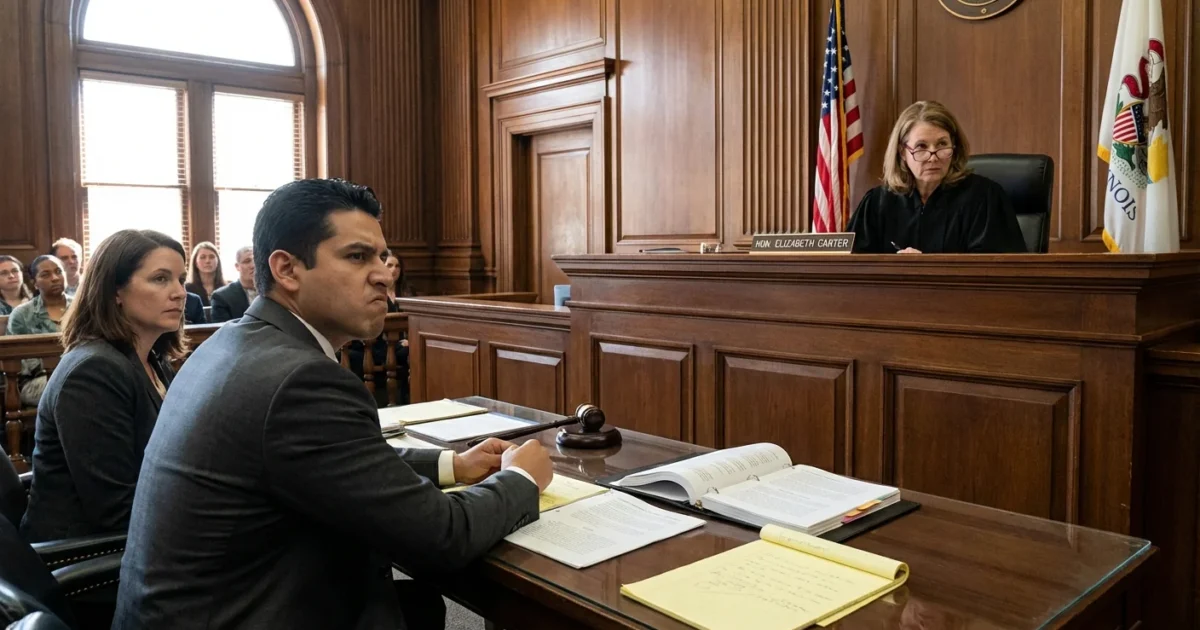
A hard line on police accountability landed in a Springfield courtroom today. Former Sangamon County deputy Sean Grayson was sentenced to 20 years in prison for killing 36-year-old Sonya Massey inside her home. I was in the courtroom when the judge imposed the maximum allowed for second-degree murder. The message was clear, even if the debate is not over.
What the Court Decided Today
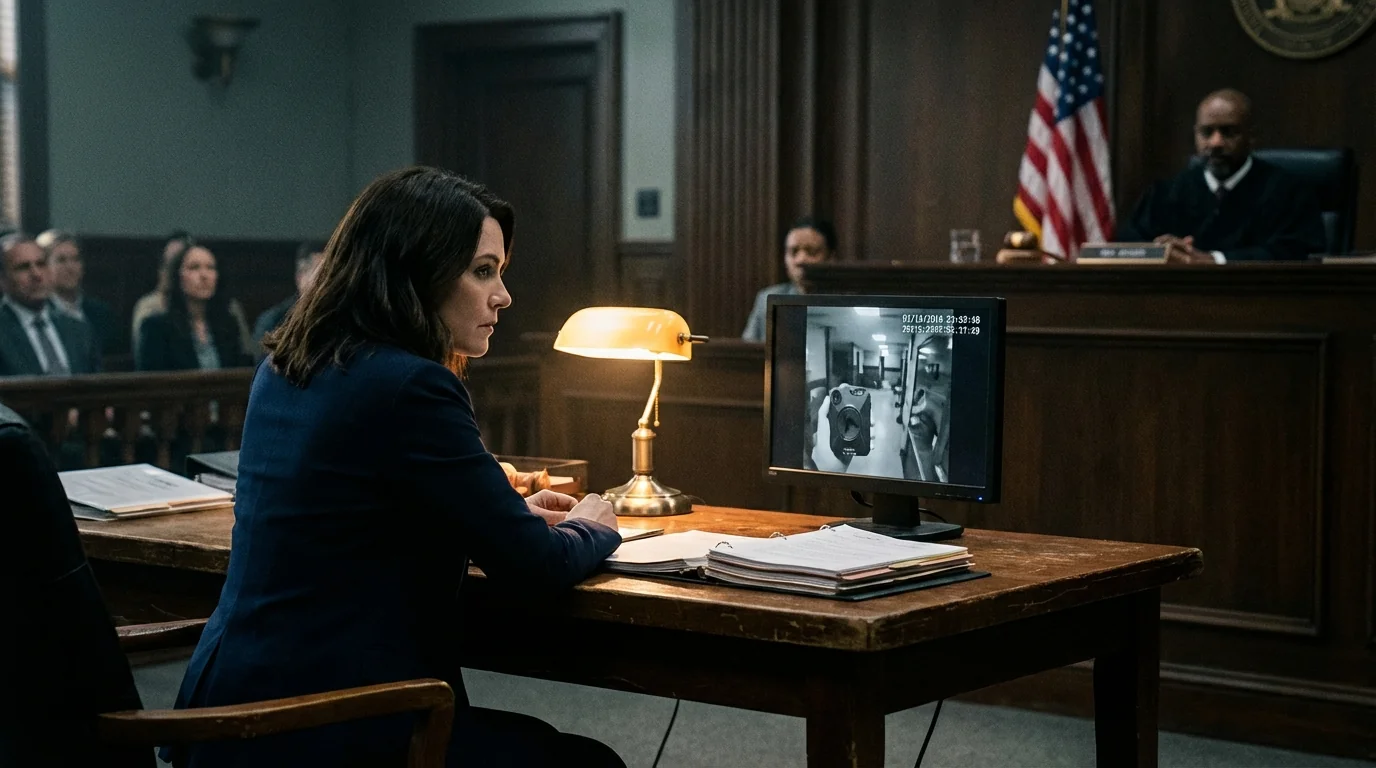
Grayson’s sentence caps a case that has gripped Illinois for 18 months. In July 2024, Massey called 911 to report a possible prowler. Within seconds of deputies entering, Grayson fired the fatal shot. Body camera video captured the short, chaotic encounter in her kitchen, where she held a pot of boiling water and spoke about God. He said he feared for his safety. The jury did not accept that fear as a full defense, yet still found second-degree murder in October 2025.
Today, the judge pushed punishment to the legal edge. Illinois law sets a range of 4 to 20 years for second-degree murder. The court chose 20 years. That is rare in officer cases tied to on-duty force, and it resets expectations in future prosecutions. Grayson retains the right to appeal.
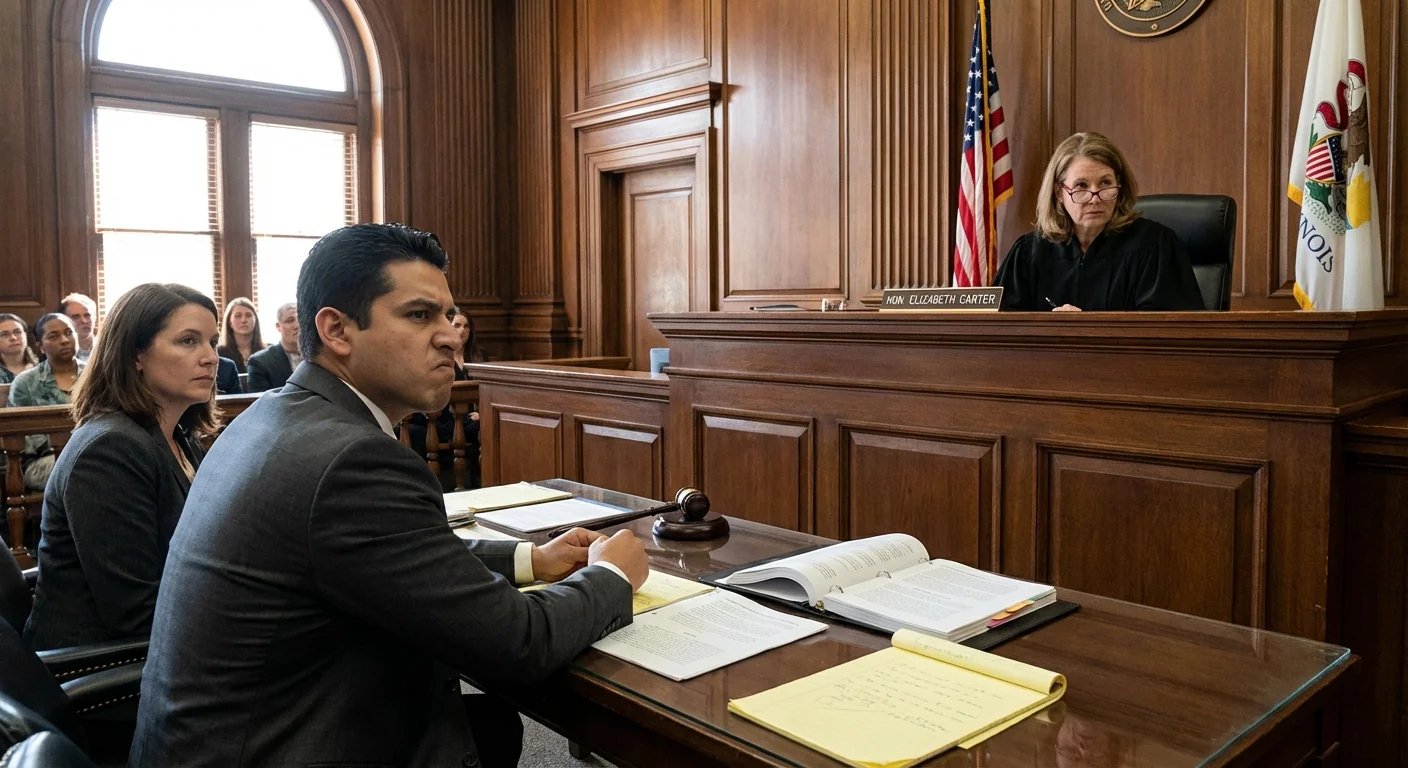
Illinois caps second-degree murder at 20 years. The court used the ceiling, not the floor.
Why a Maximum on a Lesser Charge Matters
This case shows how the standards we use to judge police force are changing. The jury accepted that Grayson perceived a threat, but it still found his use of deadly force was criminal. That is the core of second-degree murder in Illinois, a killing rooted in a wrongful belief or provocation. A maximum sentence on that verdict tells officers and agencies the law has teeth, even short of first-degree.
It also shows the limits of the courtroom. Many in the gallery wanted a first-degree conviction. Others argued the badge should not shield reckless choices. The judge cannot change the verdict, but can speak through sentencing. Today, the court did.
Here is what the sentence signals:
- Prosecutors can win serious time, even without a first-degree conviction.
- Jurors will weigh an officer’s fear, but not give it a free pass.
- Judges are ready to impose maximums when training and policy fail.
- Departments will face stronger pressure to fix hiring and de-escalation.
Policy Fallout, In Illinois and Beyond
The legal case did not move alone. In February 2025, Sangamon County paid Massey’s family 10 million dollars to settle their civil claims. That payout, and the body camera video, triggered state action. Lawmakers advanced measures to open records faster, raise de-escalation standards, and screen out problem hires. Several sheriffs and chiefs adopted policies to slow down hot calls, to require supervisory checks at scenes inside private homes, and to document every display of a firearm.
These steps were not abstract. Today’s sentence sits on top of those changes. Prosecutors used the body camera timeline, the training manuals, and the hiring file to build their case. The state has made that evidence easier to access and harder to ignore.
Public records now matter more. Use your right to request training policies, body camera rules, and hiring standards from your local agency.
Citizen Rights When Help Turns Harmful
Massey called for help. Minutes later, she was dead. That truth is why citizens want clear rules that keep callers safe in their own homes. You have a right to call 911 without becoming a suspect. You have a right to be treated with respect, to clear commands, and to de-escalation when there is no imminent threat. You also have a right to complain, to request records of your encounter, and to seek counsel if your rights are violated.
If police come to your home for a non-criminal call, ask for clear instructions, keep your hands visible, and request a supervisor if things feel unsafe. You can record the encounter if you do not interfere.
These are not perfect shields. Policy must back them. Departments should train for slow, calm approaches to welfare and prowler calls, especially when mental health or fear is present. Today’s sentence will push that training from paper to practice.
What Comes Next
Expect more scrutiny of use-of-force reviews, faster release of video in deadly cases, and tighter hiring screens. Civilian boards will press chiefs on compliance. Unions will be tested on whether discipline sticks. Prosecutors, having won a maximum on a second-degree case, may charge more aggressively when an officer’s fear is not reasonable.
The law moved today. It did not end the debate. But for Sonya Massey, the state set a measure of accountability that has often been missing. Illinois raised the floor on what justice looks like when a call for help ends with a life lost. The next step is to make sure no one else pays that price. ⚖️