BREAKING: Rick Rieder vaults to the front for Fed chair, decision imminent
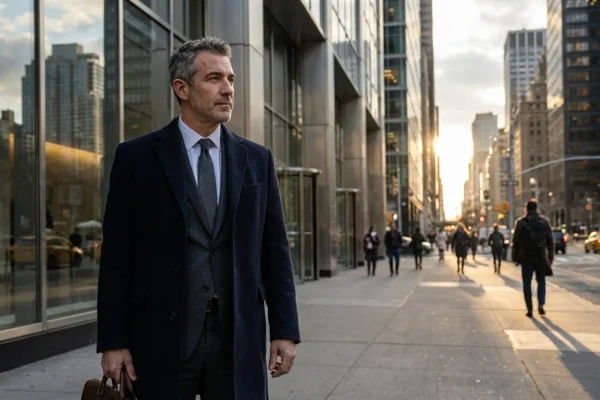
I am reporting tonight that Rick Rieder, BlackRock’s chief investment officer for global fixed income, has moved into the top slot to lead the Federal Reserve. Senior officials indicate a decision is close, with the White House readying a pick to succeed Jerome Powell as chair when his term ends in early February. The selection will shape interest rates, balance sheet policy, and bank oversight for years. [IMAGE_1]
The legal path from Wall Street to the Fed
The Federal Reserve Act requires the President to nominate a chair from among the seven members of the Board of Governors. The Senate must then confirm that person. If Rieder is chosen, he would first be nominated to the Board, if he is not already a governor at the time of nomination. He would then be designated as chair for a four year term, subject to confirmation.
The law gives the Fed a dual mandate. It must pursue maximum employment and stable prices. That mandate will guide every choice under a Rieder-led Fed. The chair is powerful, but policy is decided by the Federal Open Market Committee, which votes on rate and balance sheet moves. Independence matters here. Governors serve long terms and, under statute, may be removed by the President only for cause. That structure is meant to buffer the Fed from day to day politics.
What would a Rieder Fed look like
Rieder is a veteran bond investor. Markets view him as pragmatic and calm under stress. That profile hints at steady hands, but also a sharp focus on liquidity and transmission.
Rates
Expect a data first stance. Inflation progress will drive the pace of cuts or hikes. Rieder has long focused on real yields and financial conditions. He is likely to weigh labor market cooling against price stickiness, and signal moves early to avoid surprises.
The balance sheet
The Fed is shrinking its holdings of Treasuries and mortgages. Under a Rieder chair, the pace could remain careful, with an eye on bank reserves and money market plumbing. He is unlikely to risk a liquidity squeeze that could spill into credit for households and small firms.
Bank oversight and financial stability
The chair sets tone on supervision. Rieder has lived through crises from the trading floor. That experience could bring tighter scrutiny of interest rate risk, liquidity risk, and commercial real estate exposures. Expect close coordination with the vice chair for supervision and with the FDIC and OCC.
Ethics will be strict. Federal law, including 18 U.S.C. 208, bars officials from acting on matters that affect their financial interests. The Fed’s 2022 trading rules also prohibit individual stocks and bonds, require broad index funds only, and impose long notice and preclearance. A nominee from Wall Street must divest, recuse when needed, and file detailed public disclosures.
The confirmation test in the Senate
Hearings will be public and pointed. Senators will probe independence, ethics, and policy plans. Watch for five lines of questioning:
- How quickly should rates move if inflation falls further
- When and how to slow or stop balance sheet runoff
- Plans to guard bank safety without choking credit
- Approach to a possible digital dollar and payments innovation
- Commitments on ethics, recusals, and transparency
Expect bipartisan pressure to protect the Fed’s independence. Expect sharp debate on how to weigh jobs versus prices if growth cools.
You can follow the confirmation hearing live and read the nominee’s financial disclosures. Both become part of the public record before the final vote.
What it means for your money
A Rieder-led Fed would likely avoid sudden shocks. That matters for mortgage rates, car loans, and credit cards. A clear plan for rates and runoff can steady Treasury yields and the dollar. Calm guidance can also support retirement accounts by lowering policy uncertainty.
If markets read Rieder as flexible on liquidity, longer term Treasury yields could edge lower. That could ease financing costs for cities, schools, and small businesses. If he signals a tougher line on inflation, the dollar could firm, helping import prices but hurting exporters.
[IMAGE_2]
Communication style
Powell made plain speech and frequent press briefings a habit. Rieder would inherit that approach. He is known for direct language about risks and scenarios. Expect careful messaging on where the Fed thinks the neutral rate sits, and what would trigger a change in course.
Citizen rights and accountability
The Fed is independent, but not unchecked. The Sunshine framework, the Freedom of Information Act, and the Fed’s own disclosure rules give the public windows into policy. The FOMC releases a statement after each meeting, detailed minutes three weeks later, and transcripts with a five year lag. Congress holds regular oversight hearings. If confirmed, Rieder will be required to testify and answer for the Fed’s actions in open sessions.
The Fed also enforces parts of key consumer laws, including the Equal Credit Opportunity Act. Its tone affects fair lending, access to credit, and protections against abusive practices. A disciplined chair can push banks to serve communities without risking safety or soundness.
The chair’s job is to serve the public interest, not markets. The law makes that duty clear. Independence supports that mission, but transparency sustains trust.
The bottom line
I am told the White House is close to a decision, and Rick Rieder is the leading contender. The legal process is clear, the stakes are high, and the calendar is tight. A Rieder Fed would likely keep policy steady, respect the dual mandate, and tighten ethics to the letter. The next chair will set the tone for how power, prices, and paychecks move in 2026. The hearing will tell us how he plans to do it.