Shots on two campuses, one fallen professor, and a fast hunt across state lines. Tonight, investigators are testing whether two crimes are tied, and they are moving fast to find the person behind the Brown University shooting. They are also checking a possible link to the fatal shooting of an MIT professor. A suspicious vehicle was found in a New Hampshire town. The facts are still forming, but the legal playbook is already in motion. 🚨
What we know now
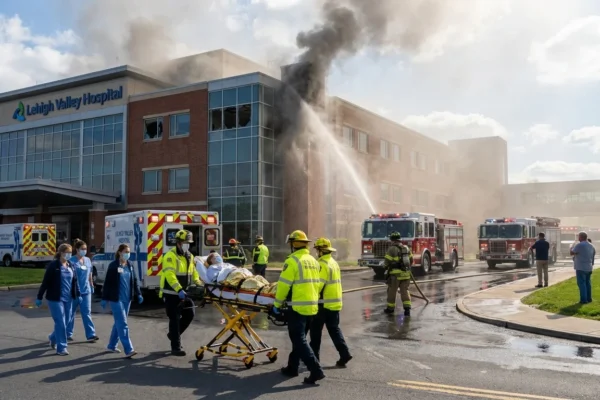
Brown University saw gunfire that sent students and staff into cover. Police mounted a large search that spread beyond Providence. Investigators say they believe they have identified a suspect in the Brown case. They are now testing whether the same person is tied to the slaying of an MIT professor. That link is still under review.
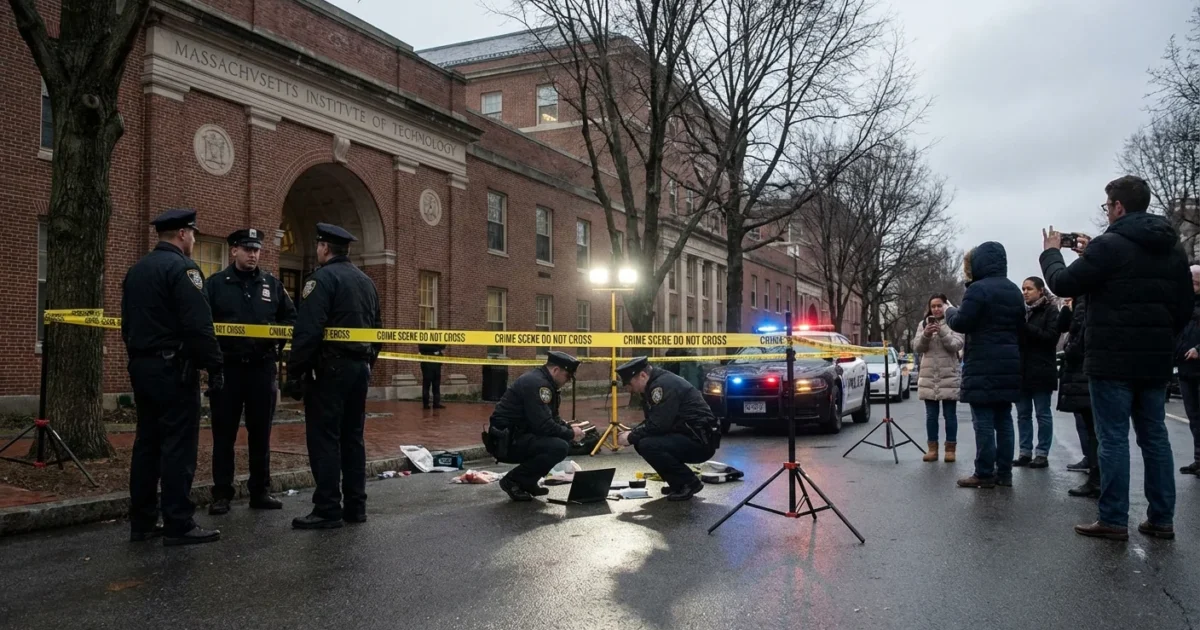
Officials have secured scenes, pulled video, and taken statements. State and federal partners have joined. The goal is simple, find the suspect, preserve evidence, and protect the public.
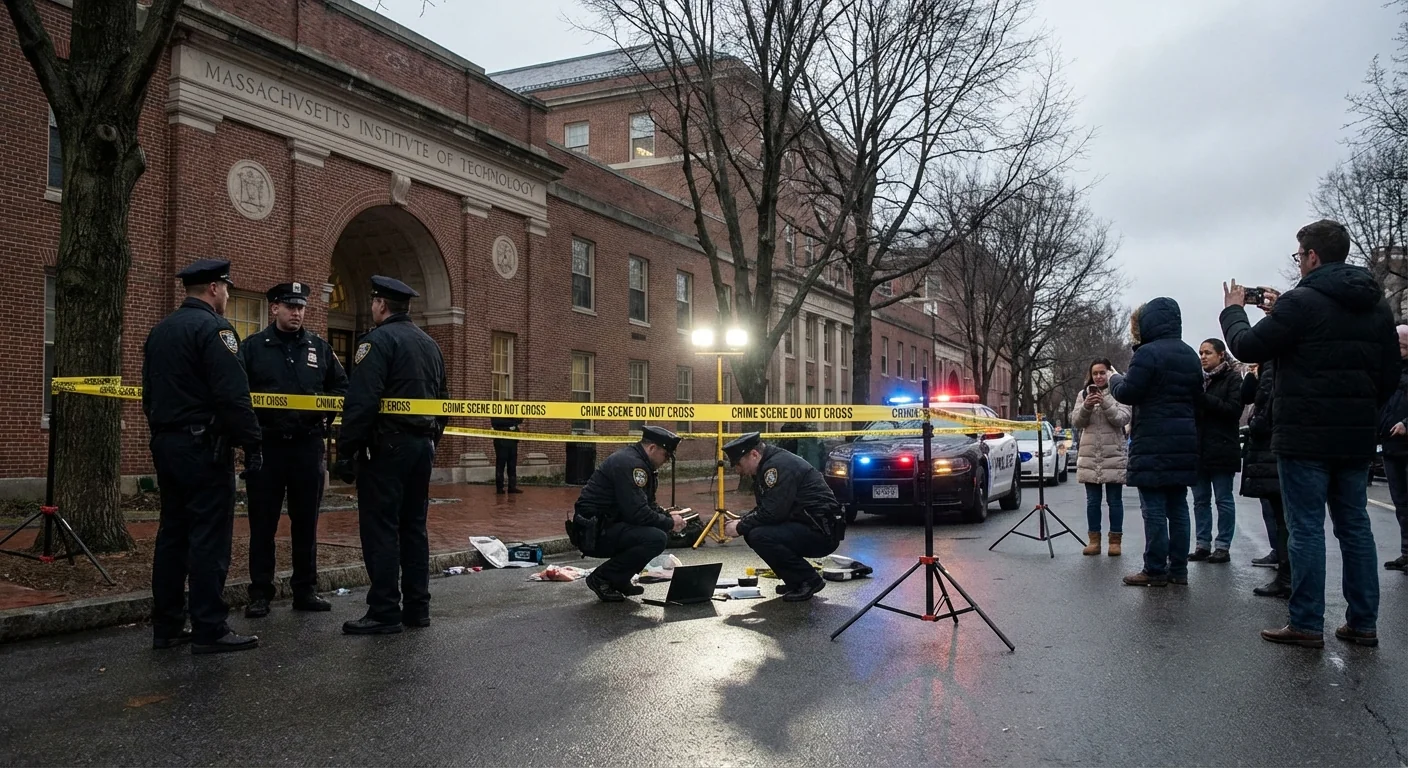
Do not share unverified photos, police scanner audio, or rumors. It can mislead others and harm the investigation.
Cross state pursuit and the law
This search crosses at least three states, Rhode Island, Massachusetts, and New Hampshire. That triggers fresh pursuit rules and mutual aid agreements. Officers can follow a suspect across a border when a serious crime is involved. Once the person is held, extradition paperwork moves quickly under the Uniform Criminal Extradition Act. Governors and courts then clear the transfer.
Investigators need warrants to search homes and most devices. Vehicles can be searched with probable cause. If a car is abandoned or presents a clear risk, police can act to prevent harm and protect evidence. Any arrest will bring Miranda warnings. The suspect can ask for a lawyer, and can remain silent.
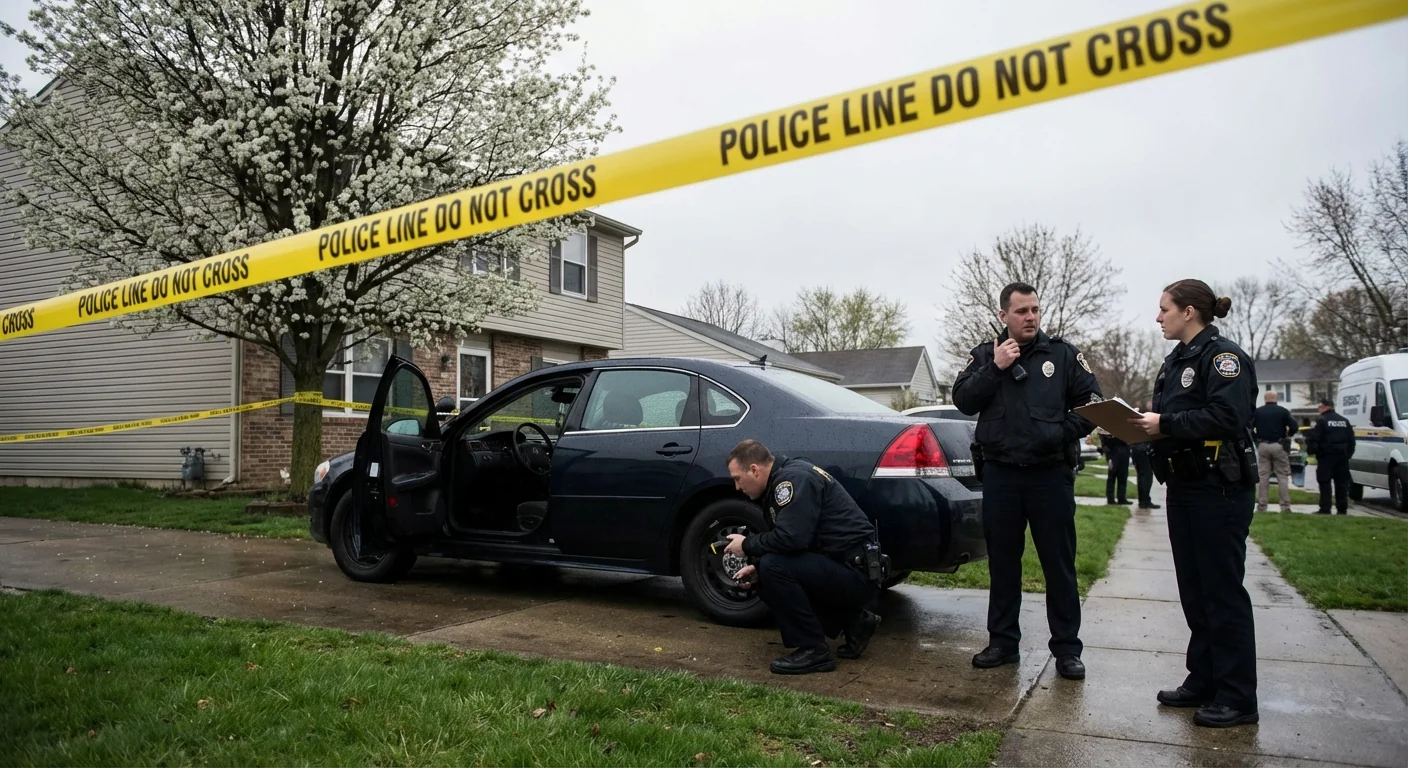
Campus police and federal partners
Campus police have full authority on their grounds. They secure buildings, issue alerts, and work with city and state agencies. When evidence or suspects cross borders, state police and the FBI often support. They help with ballistics, cell data, and interstate leads. Each step still requires legal grounds, a warrant, consent, or a valid exception.
Campus alerts and your rights
Universities must warn their communities about serious threats. The Clery Act requires timely warnings and emergency alerts. Shelter in place orders are lawful when there is a specific and credible danger. Students and staff should follow official alerts, not unofficial feeds.
You have rights during a large police search. Officers may set up checkpoints in limited cases. They can stop a car with reasonable suspicion, or probable cause. You can ask if you are free to leave. You can refuse consent to a search, unless the law allows a search without it.
If stopped during a manhunt, keep hands visible, share ID when required, ask if you are free to go, and request a lawyer before any questioning. 🛡️
Guns on campus and policy gaps
Brown and MIT ban firearms on campus, with narrow exceptions. Rhode Island and Massachusetts both have extreme risk protection orders. A judge can remove guns from someone who poses a danger after a hearing. New Hampshire does not have an ERPO law. That gap can complicate early intervention across borders.
The federal Gun Free School Zones Act limits guns near schools. It does not cover every campus situation, and state laws fill the rest. Expect lawmakers to ask if current rules worked, and where they fell short. They will look at background checks, ghost gun parts, and campus safety funds. They will also ask how quickly alerts moved, and who had the duty to warn.
What residents should do now
- Follow official alerts from police and campus safety
- Avoid the search area unless you must travel
- Do not share unverified tips online
- Call in any direct, specific information to local police
- Keep doors locked and lights on if near active scenes
Accountability and the road ahead
This case will move from the street to the courtroom fast if an arrest is made. Charges could include murder, weapons crimes, and assault. Prosecutors will need clear, lawful evidence, chain of custody, and credible witness accounts. Defense counsel will press on identification, warrants, and any searches.
Public records will matter. Expect requests for 911 logs, campus alerts, and body camera video. Expect legislative hearings on multi campus response and interstate coordination. Oversight builds trust. It also fixes gaps before the next crisis.
Tonight is about safety, rights, and facts. Investigators are moving, campuses are protecting their communities, and the law sets the rules for both. We will keep reporting as decisions are made, and as the record becomes clear.