BREAKING: Anthony Kazmierczak identified as suspect in alleged attack at Rep. Ilhan Omar’s Minneapolis town hall
A tense town hall in Minneapolis turned into a criminal investigation last night. Authorities have identified Anthony Kazmierczak as the suspect in an alleged attack during Rep. Ilhan Omar’s public event. The room emptied fast. Staff and attendees moved Rep. Omar to safety. Police secured the scene and began interviews. The event ended early, and the legal fallout started immediately.
What happened, and what comes next
The confrontation took place inside a scheduled town hall with open public access. Witnesses say a disturbance began near the front. Security moved in as the crowd reacted. Officers detained a man at the venue. He was later identified by authorities as Anthony Kazmierczak. Investigators are now reviewing video and speaking with attendees.
Formal charges have not yet been announced. That can change quickly once prosecutors receive the reports. If prosecutors believe injuries occurred, state assault counts are possible. If threats were made against a federal official during official duties, federal review is likely.
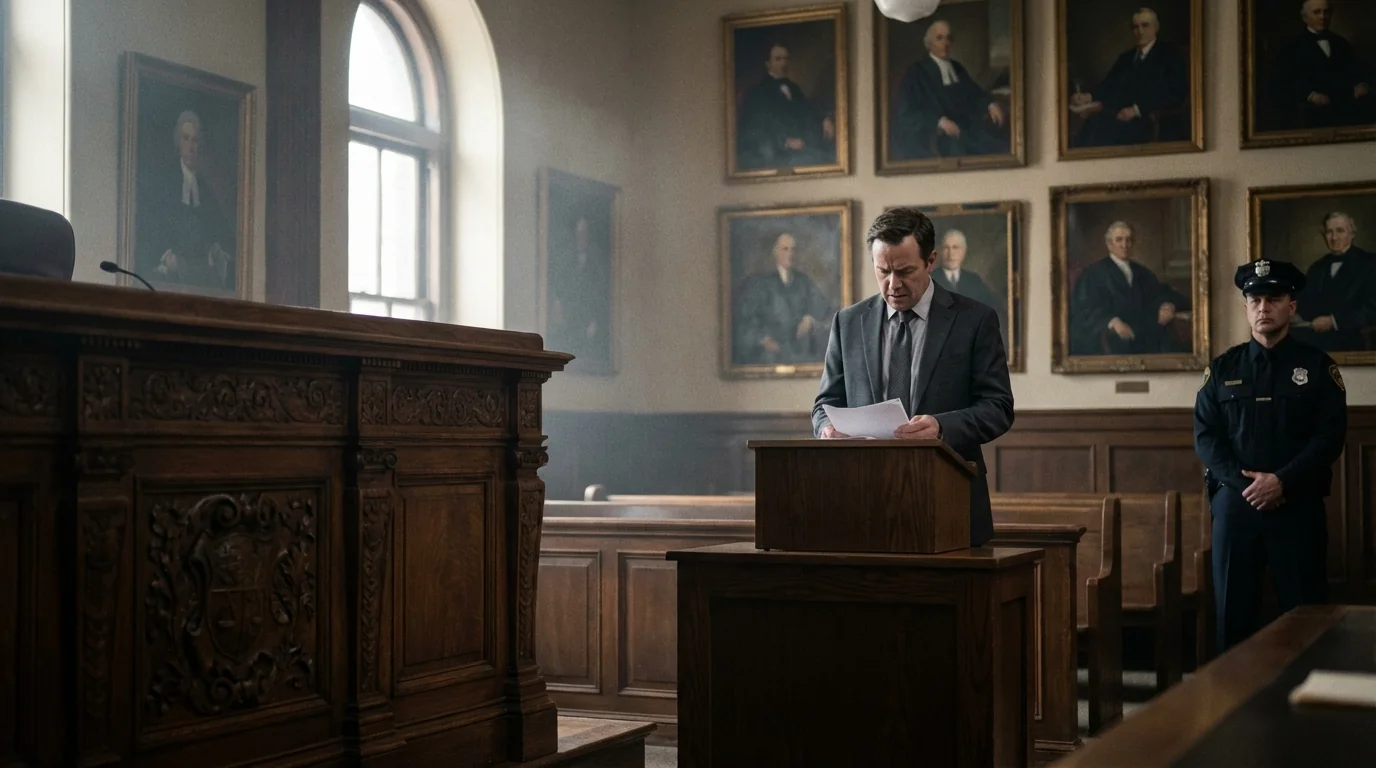
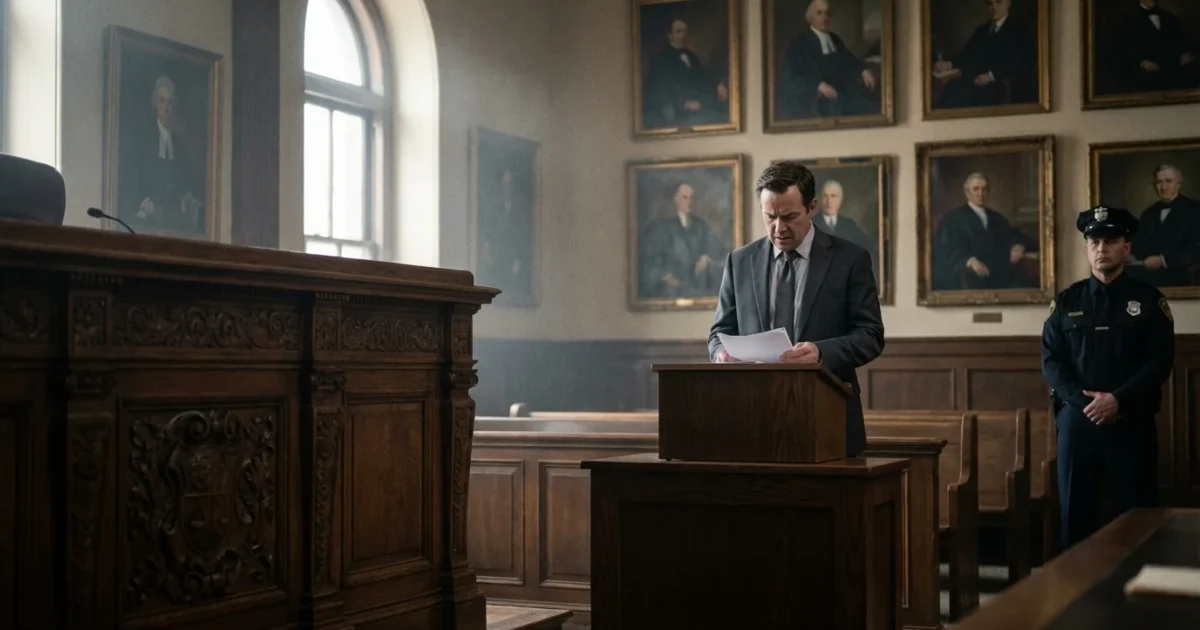
Officials have identified the suspect as Anthony Kazmierczak. He has not been convicted. He is presumed innocent unless and until proven guilty in court.
Who is Anthony Kazmierczak
Details about Kazmierczak’s background are still coming into focus. Authorities have not released a full profile. This is standard in the early hours of a case. Investigators confirm they are looking at motive, prior contacts with law enforcement, and any links to organized groups. That work will inform charging decisions, bail, and any risk assessment for future events.
It is common in cases tied to public officials for prosecutors to move in stages. They may file initial counts, then add or refine charges after more evidence is reviewed. Expect updates as police submit reports and video evidence is processed.
The law at stake
Public meetings are a core part of democratic life. The First Amendment protects speech, protest, and recording in a public forum. It does not protect acts of violence or true threats. Disruptive conduct can be regulated by reasonable time, place, and manner rules.
Potential legal exposure in a case like this can include:
- State assault or disorderly conduct counts if physical contact or disruptive behavior is proven
- Trespass if a person refuses to leave after a lawful order
- Interference with official proceedings if the event is deemed a public meeting of a government official
At the federal level, threats or force against a Member of Congress during official duties can trigger federal statutes. Federal prosecutors often confer with local authorities to avoid overlap. Venue matters. Conduct on city property can raise different rules than a private venue hosting a public event.
You can protest at a town hall. You cannot use force, make a true threat, or refuse lawful orders to leave. Film and speak, then let others do the same.
Security and policy implications
This incident will ripple through congressional security planning. Most members do not receive full time protection. The U.S. Capitol Police coordinate with local police when members travel home. After a public disruption, they typically reassess threat levels, event layouts, and staff training.
Expect more visible screening at future town halls. That can include bag checks, magnetometers, and clearer ground rules for audience conduct. Hosts may require advance RSVP or limit capacity. Those steps aim to balance open access with safety for attendees and speakers.
City officials also face choices. They can adjust permits, venue staffing, and police presence based on risk. These decisions must respect free speech while preventing harm. Clear signage and de escalation protocols help. So does fast, fair enforcement of rules that apply to everyone.
Your rights and responsibilities
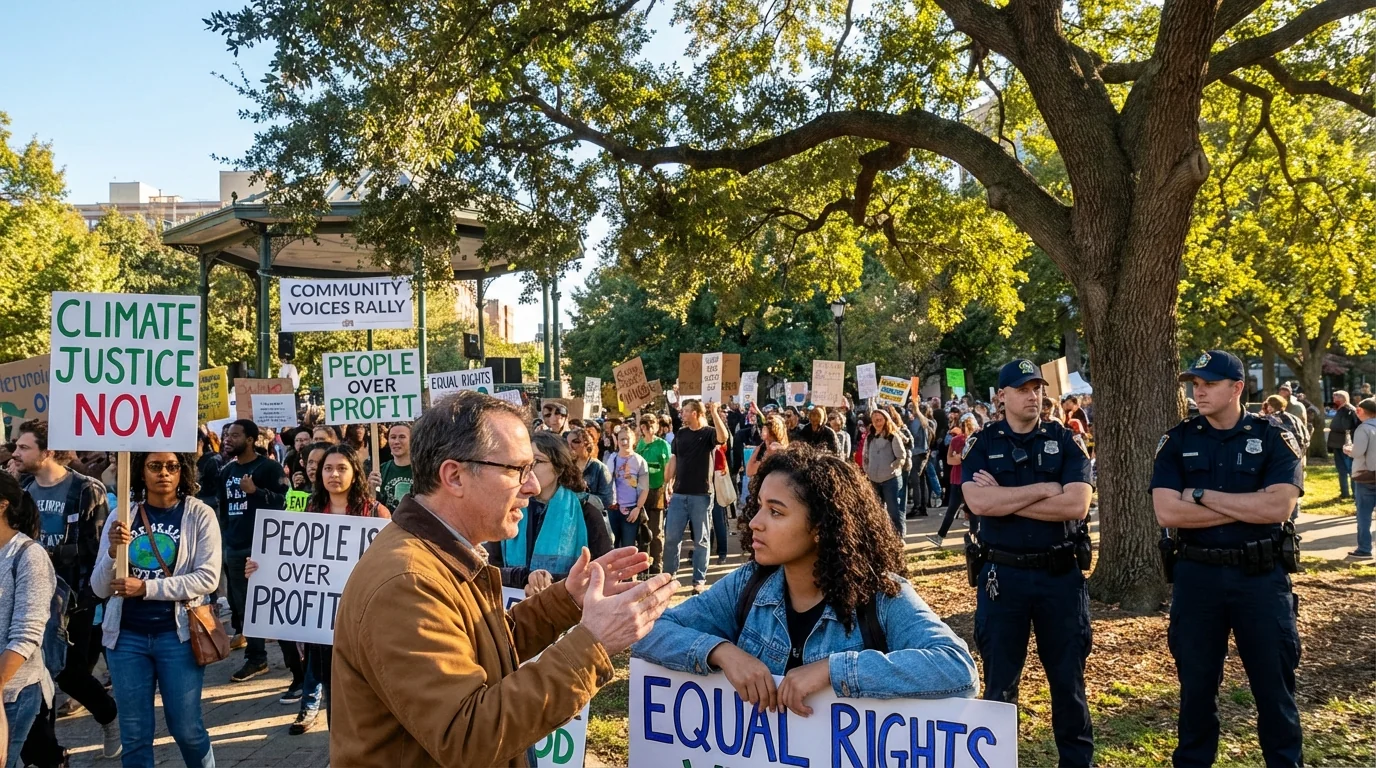
Citizens have rights inside a town hall. You also have obligations that keep the forum open to all.
- You may speak during designated times and record from public areas
- You must follow posted rules and lawful orders from staff or police
- You may leave or remain silent if questioned, and you can ask for a lawyer
- If detained, you should be told why as soon as practical
If you witnessed the incident, consider preserving your video and notes. Investigators and defense counsel both rely on independent evidence. Accurate timelines help prosecutors, judges, and the public understand what happened.
Do not dox or harass anyone named in early reports. Let the legal system work. Mistakes in fast moving cases can have lasting harm.
The political heat, and the legal path
The shock from this town hall is already driving national debate. Strong statements from leaders will continue. That is politics. The legal path is slower and more disciplined. It turns on evidence, statutes, and standards of proof.
For now, the key facts are simple. A public event ended in an alleged attack. Anthony Kazmierczak has been identified as the suspect. Investigators are working. Prosecutors are evaluating charges. Citizens should stay engaged, stay calm, and let the process move with care.
We will track every filing, hearing, and policy change that follows. The stakes are safety, open debate, and the rule of law.