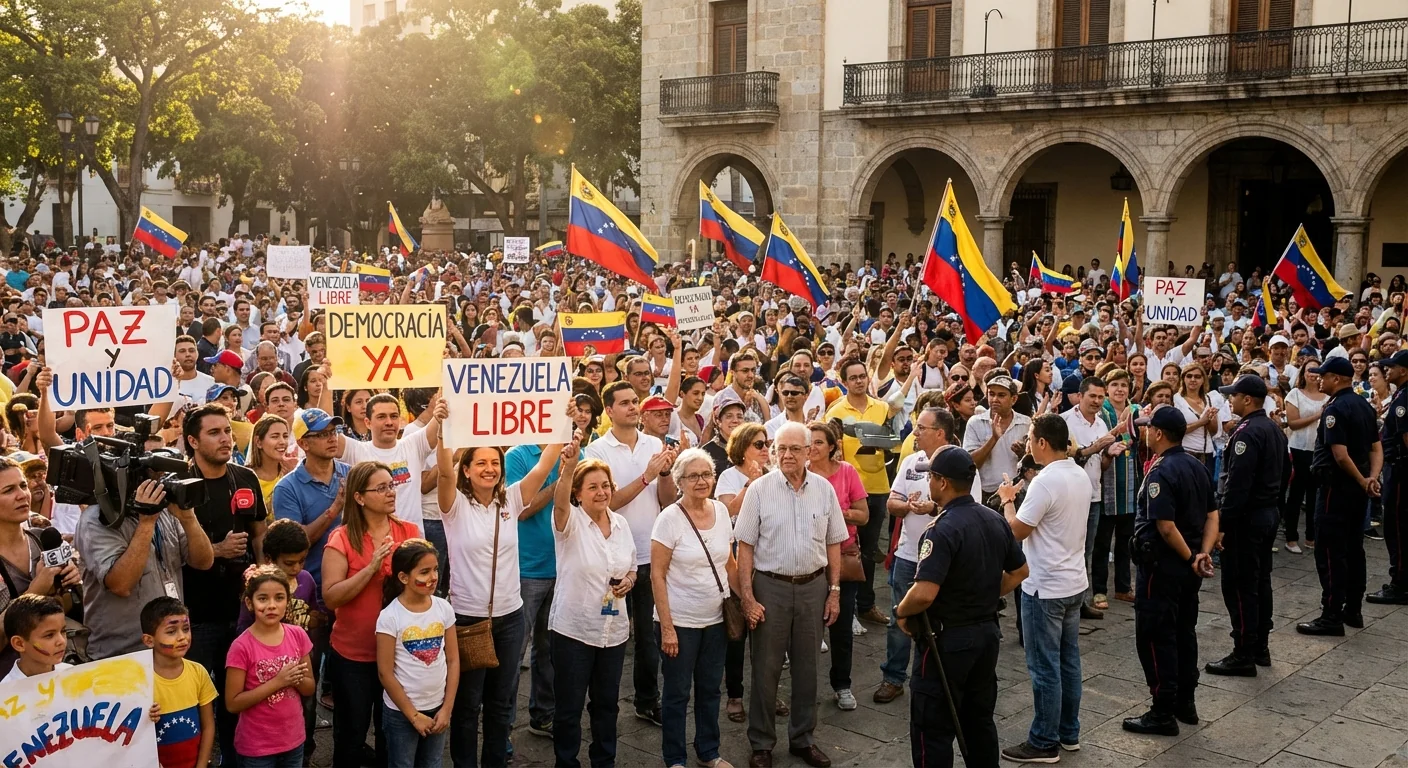
Venezuela woke up to a shock. Nicolás Maduro is out of the picture, reportedly in U.S. custody. Vice President Delcy Rodríguez says she is now the interim leader. Streets filled fast. Some cheered. Others watched in fear or anger. The country is split, and the stakes are legal, not just political.
A shock handover and a split public mood
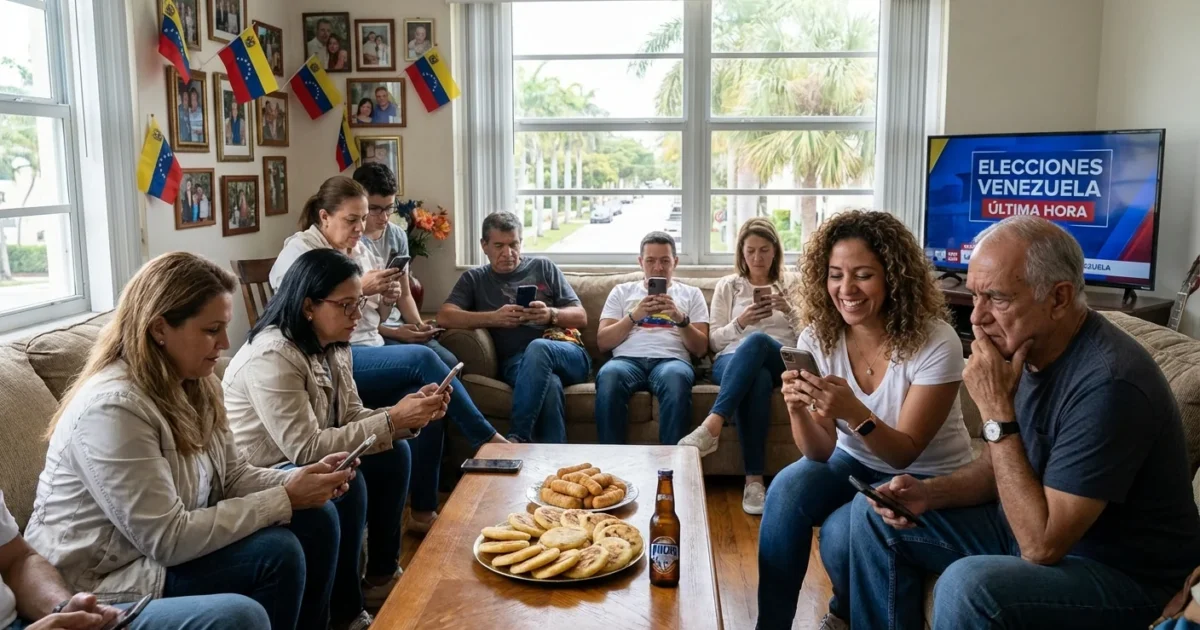
I am seeing two feelings rise at once. Relief from those who felt crushed by years of crisis. Anxiety from those who fear a foreign hand in Venezuela’s future. Chávez loyalists call it an attack on sovereignty. Many in the opposition call it a chance to reset the state. Both sides are loud. Both sides want to be heard.
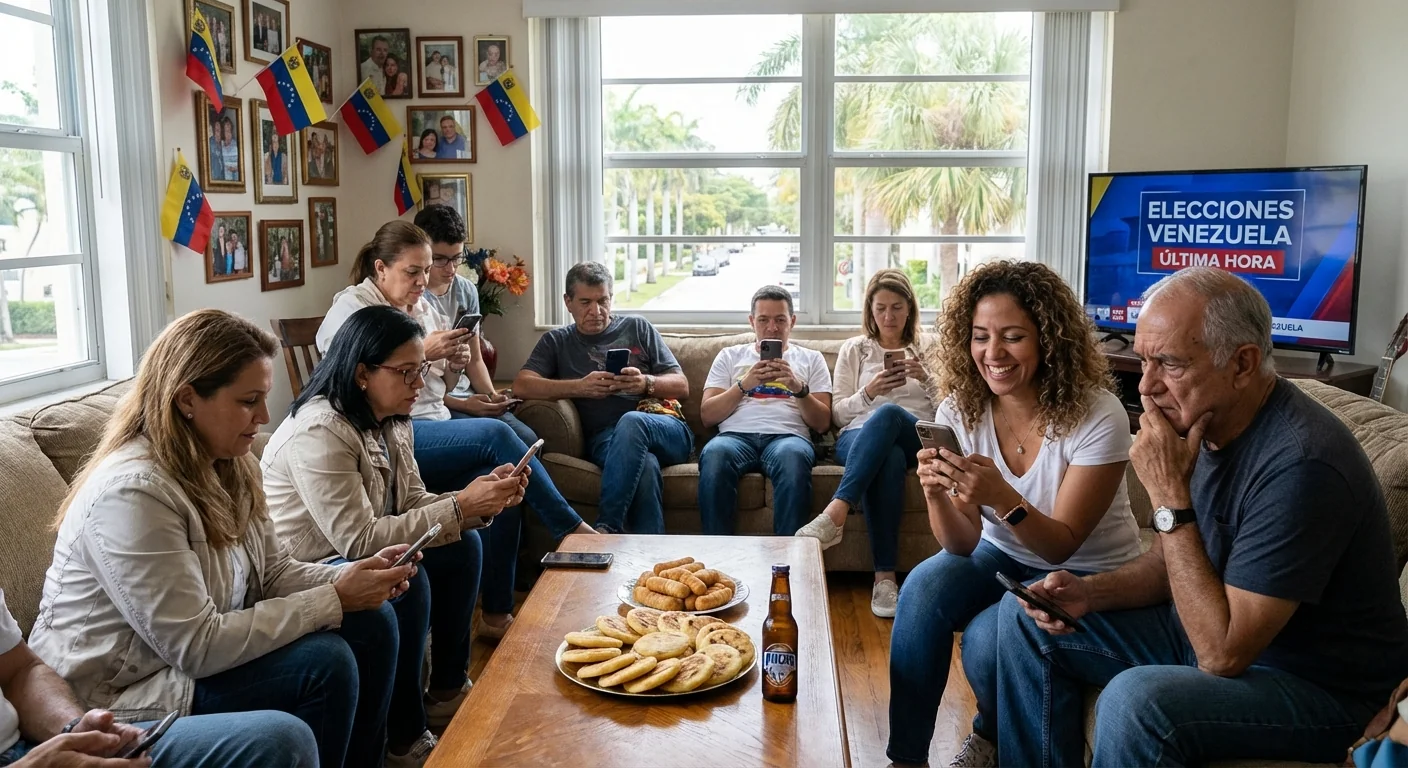
The diaspora is weighing in too. Families abroad are texting from Miami, Madrid, Bogotá. They are hopeful for an election they can trust. They also worry that chaos could close the window for change.
What the law says about who leads now
This fight moves through the constitution. Under the 1999 charter, a temporary absence triggers the vice president to step in. A permanent absence requires a clock to start toward a national vote. Courts will be pressed to define which one this is. The words they choose will decide if voters head to the polls soon, or not.
The armed forces matter. Commanders must state where they stand. If they back the interim leader, agencies can function. If they split, ministries could stall. That would hit electricity, water, and fuel. It would also slow any plan to secure voters, ballots, and counting centers.
Here are the key legal questions in front of the country:
- Is this a temporary absence or a permanent one
- Who has lawful control of the cabinet, the budget, and the security forces
- When must a new election be called, and who runs it
- Which court has the last word if branches disagree
If the absence is ruled permanent, a fast election timetable becomes a legal duty, not a choice.
The U.S. custody question and sovereignty
Another issue sits outside Caracas. Reports say Maduro and his wife are in U.S. custody. U.S. prosecutors have charged Maduro before. That gives Washington a legal path to hold him. But how he was taken matters. If he was seized inside Venezuela without a formal extradition, expect a storm over sovereignty and international law. That could land in global forums and in U.S. courts.
Maduro will have the right to counsel and to challenge the arrest in a U.S. court. Evidence rules, chain of custody, and venue will shape the case. Venezuela’s interim authorities must decide whether to engage with the U.S. justice process or to contest it as unlawful. Either choice carries costs. Either choice will ripple through sanctions, oil sales, and access to frozen assets.
Citizen rights on the line today
Rights are the first test. People will march, chant, and gather. The interim government must protect peaceful assembly and open the airwaves. Police must use restraint. Courts must be open for habeas corpus petitions if arrests occur. Journalists should be allowed to report without fear. Internet shutdowns would be a grave mistake, and likely unlawful.
Watch for sudden curfews or vague emergency rules. Authorities must publish clear orders and legal grounds before any limits on movement or speech.
What you can do now
Citizens should document events. Film interactions with officials. Keep copies of any detention papers. Legal aid networks are active and can file urgent motions. Voters should check their registration, once the rolls open, and demand accessible polling places.
What the interim must do in days, not weeks
Legitimacy comes from law, not only from relief in the streets. The interim leader should announce a short, public plan. It should include a date for elections, rules for the race, and an invitation to international observers. Release of political prisoners would signal a new start. So would restoring TV and radio licenses that were pulled for political reasons.
Security forces need clear orders that are lawful and written. Judges and prosecutors should receive guidance to protect due process. The central bank and oil company must publish transparent accounts. That will help stabilize the currency and unlock targeted sanctions relief.
Diplomacy matters now. The interim government must speak to neighbors and to global partners. It should explain its legal claim to govern and seek recognition. It should also state how it will protect social programs while audits occur. People need food, medicine, and power. Policy must meet those needs while the ballot path is built.
The bottom line
Are Venezuelans happy that Maduro is gone? Many feel relief. Many feel violated. Most feel unsure. That is honest in a moment like this. Joy fades if the law is ignored. Fear fades if rights are respected. The next week will decide which feeling wins. If the interim government grounds every move in the constitution, protects protest, and sets a real election clock, hope can outrun doubt. If not, today’s cheers will turn into tomorrow’s claims in court, and a fragile transition will crack.