A Nobel Hand‑Off to Trump Sets Off Legal and Policy Shockwaves
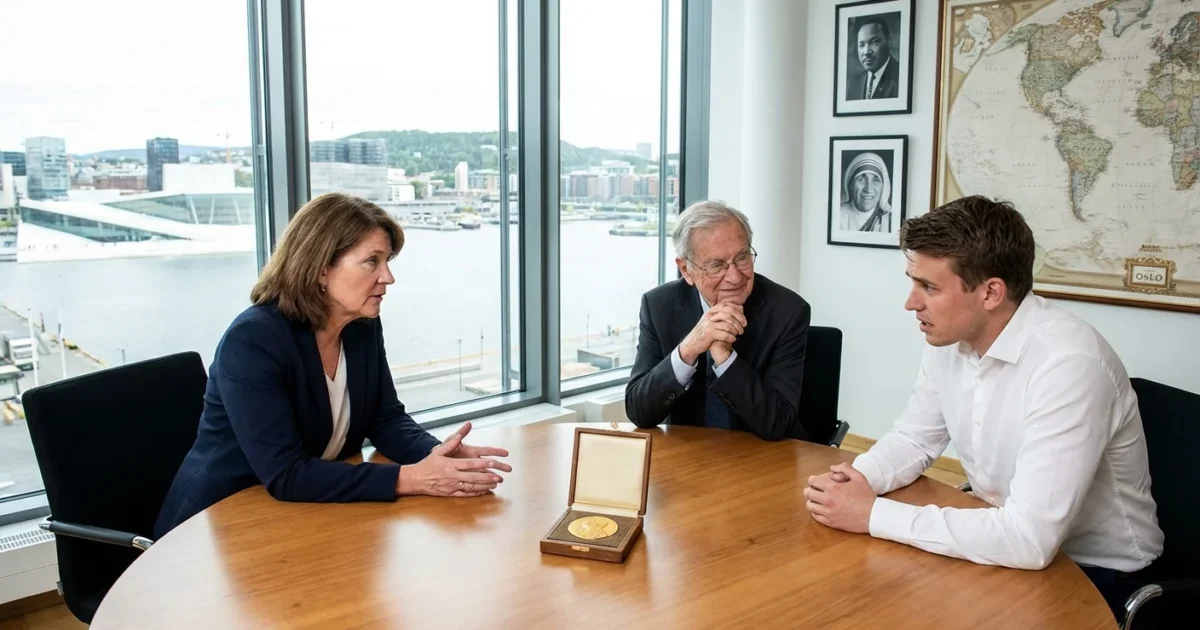
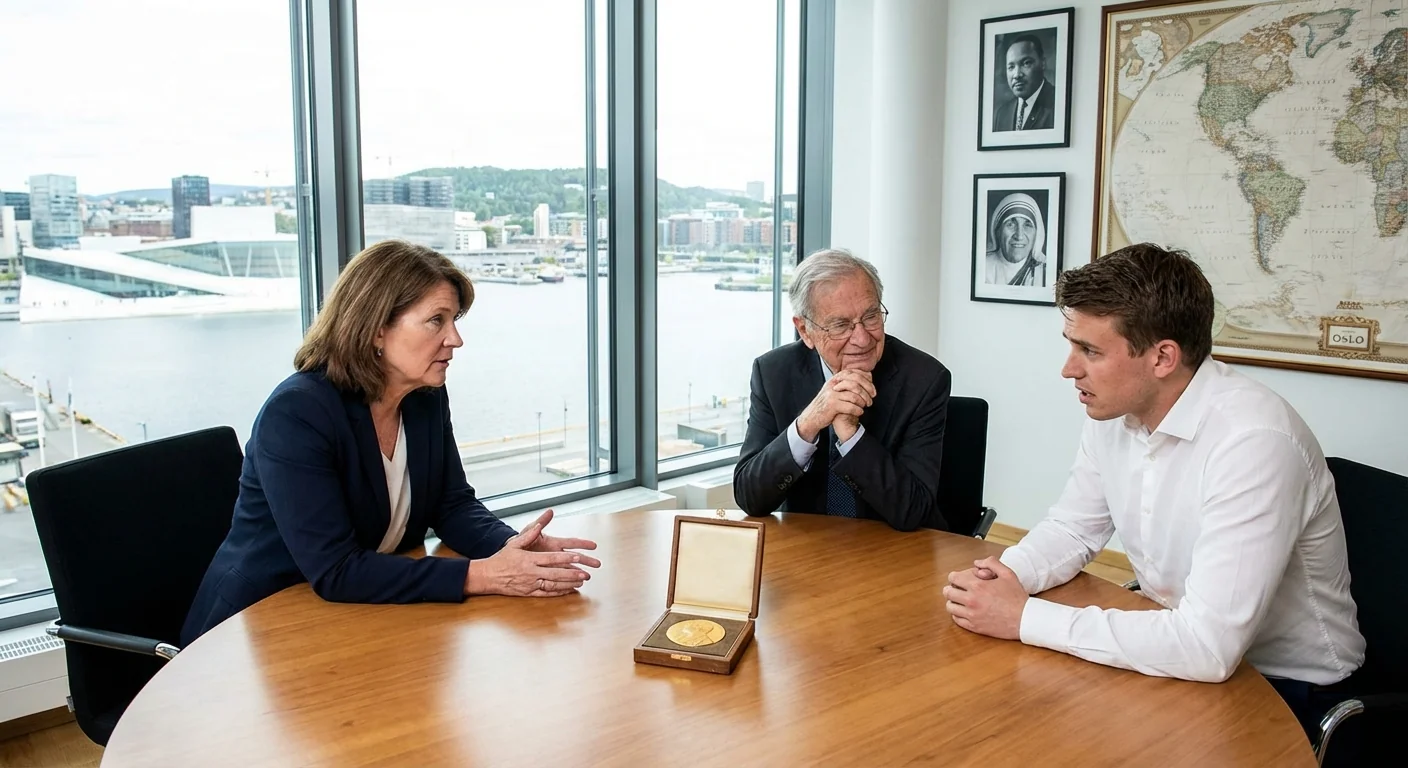
In a stunning scene today, Venezuelan democracy advocate María Corina Machado placed her Nobel Peace Prize award in Donald Trump’s hands during a visit. The exchange was brief, symbolic, and instantly political. It raised sharp questions about the line between moral appeals and political lobbying, and what this means for U.S. policy toward Venezuela.
What Happened, and Why It Matters
Machado’s gesture was meant to elevate a cause, free and fair elections in Venezuela. The moment also put the Nobel’s neutrality under a hot light. In Norway, where the Peace Prize is administered, observers voiced incredulity. They worry that the medal is being used as a political tool, not a civic beacon.
Trump kept his remarks on energy. He emphasized Venezuelan oil and economic leverage, not electoral guarantees or human rights. That contrast set the frame. One side sought democratic guardrails. The other talked barrels, markets, and deals.
The Gift, the Law, and the Line Between Symbol and Support
Handing a Nobel medal to a political figure is not a small act. It is a gift with real monetary and symbolic value. That triggers rules.
If Trump is a federal officeholder, the Constitution bars gifts from foreign states. The Emoluments Clause does not cover private individuals, so a gift from a laureate is different. Still, federal ethics rules restrict gifts given because of official position. Presidents are not bound by every ethics regulation, yet they typically disclose significant gifts and avoid accepting items that create conflicts.
If Trump accepts this medal personally, disclosure obligations can apply. If he is a candidate, a gift from a foreign national can raise campaign finance issues. Federal law bans foreign contributions to campaigns. A valuable item, given to benefit a candidate, can count. Intent, control, and valuation matter.
Receiving valuable items from foreign nationals can trigger disclosure, ethics limits, or campaign finance bans, depending on status and intent.
What agencies will look at
- Whether the medal was accepted, retained, or returned
- Whether it was logged and disclosed in financial filings
- Whether any campaign, PAC, or committee handled the item
- Whether the gift was given because of official position or electoral benefit
The Nobel’s Fragile Neutrality
The Nobel Peace Prize carries weight because it stands apart from partisan fights. When a laureate deploys the medal in a political meeting, the signal is potent. In Norway, the body that oversees the prize safeguards its independence. While laureates own their medals and may sell or gift them, turning the medal into a lobbying token risks blurring the prize’s role.
Laureates control their medals, but the prize’s legitimacy depends on perceived neutrality and restraint.
The optics here are complicated. A democracy advocate used the medal as leverage for change. The recipient focused on energy gains. That tension will echo in both Oslo and Washington.
[IMAGE_2]
What This Signals for U.S. Venezuela Policy
Trump’s oil‑first stance points to a policy centered on energy supply and sanctions leverage. Under U.S. law, sanctions on Venezuela rest on executive orders under the International Emergency Economic Powers Act. Any administration can tighten or loosen those restrictions, grant licenses, and set conditions tied to elections, prisoner releases, or corruption benchmarks.
A deal that prioritizes oil flows without enforceable democratic conditions would be a sharp pivot. It could mean broader licenses for crude exports, debt restructuring space, or relief on financial transactions. It could also sideline recognition and support structures built for the opposition, including asset protection battles like those around Citgo.
For Venezuelans, the stakes are direct. Sanctions relief can move markets and prices. It can also remove leverage for political change if not paired with clear milestones. For U.S. consumers, more supply can ease prices, yet at a cost to human rights leverage if conditions fade.
Citizen Rights and What to Watch
Transparency is the guardrail here. Americans have a right to know what gifts, if any, public figures accept, and how those gifts shape policy. Venezuelan diaspora communities, many now U.S. citizens, have a right to petition their government for a policy that protects both energy security and democratic norms.
Watch for three things next:
- A formal statement on whether the medal was kept or returned
- Gift logs or financial disclosures that document the exchange
- Any sanctions actions or oil licenses that move without electoral conditions
If you want visibility into executive ethics, track the next public financial disclosure and any White House gift reporting. Those filings show what stayed, what was returned, and why.
The Bottom Line
A Nobel medal changed hands, and the ground under U.S. Venezuela policy shifted. The law makes room for symbols, but it also demands clarity. If the gift stands, it must be disclosed. If policy shifts, it must be justified. The Nobel Prize is a promise to honor peace and rights. Turning it into a political prop tests that promise, and today the test is live. ⚖️