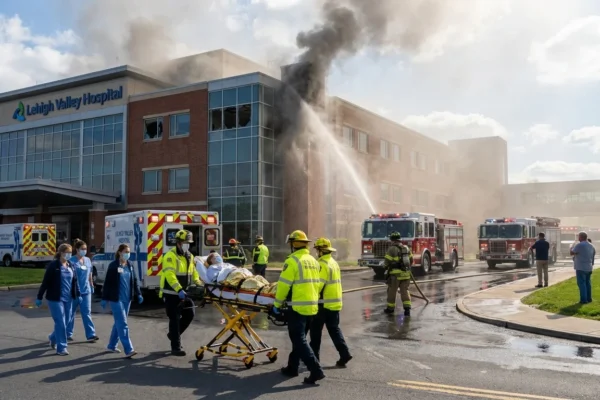
Lillian Bonsignore will lead the Fire Department of the City of New York. Mayor elect Zohran Mamdani has tapped the retired EMS chief to serve as fire commissioner, a choice that resets the city’s emergency policy at the top. The move brings EMS experience to the head of a department known for firefighting. It also opens a new chapter in how New York sets rules, spends money, and protects lives. 🔥
What this appointment changes right now
The fire commissioner runs the entire FDNY. That includes firefighting, EMS, inspections, and rulemaking under the city’s Fire Code. Bonsignore has decades in EMS command. She is fluent in 911 realities, response times, and hospital surge.
This is a rare pivot. A leader shaped by medical emergencies will now set priorities for fire operations. Expect tighter integration between medics and firefighters. Expect sharper focus on overdose response, lithium ion battery risks, and mental health calls. I am told transition briefings began before today’s announcement, with an eye on the winter fire season and peak holiday hazards.

FDNY policy moves do not live in a vacuum. They change how buildings are inspected, how batteries are stored, and how emergencies are triaged.
The legal levers Bonsignore now holds
Under the City Charter, the mayor appoints the fire commissioner, who can propose and adopt rules that give the Fire Code teeth. These rules set inspection schedules, penalties, and safety standards. Any new rules must follow the city’s rulemaking law, known as CAPA, which requires public notice and comment.
Bonsignore can also issue directives that shape how 911 calls are handled. That includes co response models with health teams, hospital diversion policies, and coordination with NYPD during large events. Several of these touch state law as well, like EMS scope of practice under the New York State Department of Health. City and state lawyers will be busy.
On hiring and promotions, FDNY remains under close attention after years of litigation over firefighter hiring. Equity in recruitment and advancement will be a test for the new commissioner. Her leadership will set the tone with the federal bench and the court monitor environment that follows from that history.
If FDNY proposes new Fire Code rules, you can submit comments before adoption. Watch the city rulemaking portal and speak up.
Policy priorities and where the law meets the street
Bonsignore inherits big risks. E bike and energy storage fires. High rise safety. Extreme heat events and wildfire smoke. Congested ERs and ambulance offload delays. These are not silos. One bad call can cascade.
Here are the near term moves I expect to see debated in City Hall and in union halls:
- A unified battery safety agenda that links FDNY, Buildings, and consumer enforcement.
- Faster EMS handoffs at hospitals, with legal agreements to curb ambulance wait times.
- Expanded alternative response for behavioral health, with clear consent and privacy rules.
- A refreshed inspection strategy for basements, warehouses, and migrant shelter sites.
Each item carries legal weight. Battery rules can affect business licensing and fines. Hospital handoff agreements may need state health approval. Behavioral health response must guard civil liberties and medical privacy. Inspections touch tenant rights and due process for landlords.
[IMAGE_2]
Policy change during a leadership transition can strain the field. Clear directives and lawful bargaining are key to steady service.
Labor, parity, and the path through collective bargaining
FDNY’s workforce is unionized across firefighters, fire officers, EMTs, and paramedics. Contracts decide pay, hours, safety gear, and discipline. EMS pay parity has been a hard fight for years. A commissioner with EMS roots will face pressure to deliver. Any move will run through collective bargaining with the Office of Labor Relations.
Discipline and safety policy also require care. Changes in training, mask rules, or staffing levels must meet contract terms and occupational safety laws. Mistakes can lead to grievances or litigation. Done right, they can save lives and stabilize staffing.
Citizen rights and public oversight
Your rights are in play here. Tenants have the right to safe housing. You can request a fire inspection through 311 if you see blocked exits, illegal conversions, or battery charging hazards. You can also file a Freedom of Information Law request for FDNY records, including inspection outcomes and response metrics.
Language access is required by city law for emergency services. That means translated materials and interpreters at critical moments. People with disabilities must have accessible emergency planning and evacuation support. These are not favors. They are legal duties the department must meet.
What Mamdani’s pick signals
Mamdani is prioritizing integrated emergency care and data driven operations. Naming an EMS chief to lead FDNY says response time, hospital flow, and modern risks will shape the agenda. It also says rulemaking will be used to push safety in homes, stores, and streets.
The outgoing leadership has offered mixed parting words. That is common in big transitions. The law provides continuity. Budgets are binding. Contracts are binding. The Fire Code is binding. The new commissioner must lead inside those lines, and then move them through proper process when needed.
Conclusion
This is a consequential appointment. Lillian Bonsignore brings EMS command to the center of New York’s fire policy. Expect tighter standards, louder debates on labor and parity, and a new push on batteries, buildings, and behavioral health. The law will shape every step. So will your voice, in public comments, at community boards, and at the ballot box. The sirens you hear are policy choices. Let us get them right. 🚨