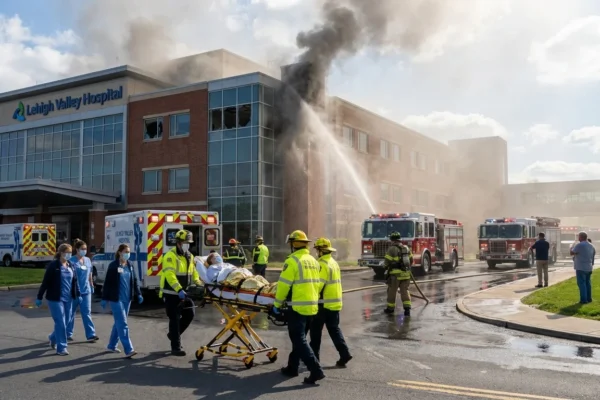
Former MLB star Lenny Dykstra was arrested in Northeast Pennsylvania after a New Year’s Day traffic stop. Police say they found drugs in his vehicle. He now faces drug possession charges, placing a once beloved Phillies and Mets outfielder back in a courtroom spotlight. The legal and civic stakes are real, and they begin today. 🚨
What we know now
Police conducted a traffic stop on January 1 in Northeast Pennsylvania. Officers say they discovered suspected drugs during the stop. Dykstra was taken into custody and faces drug possession counts. Charging documents and lab testing will shape the next steps. A court calendar is expected soon.
Dykstra is presumed innocent unless the government proves guilt beyond a reasonable doubt.
The legal stakes in Pennsylvania
Under Pennsylvania law, simple possession falls under Section 780-113. Penalties depend on the drug type, amount, and any prior record. For many first offenses, simple possession is a misdemeanor with possible jail time and fines. Possession with intent to deliver is a felony with far tougher penalties. Right now, the exact charge language will matter more than headlines.
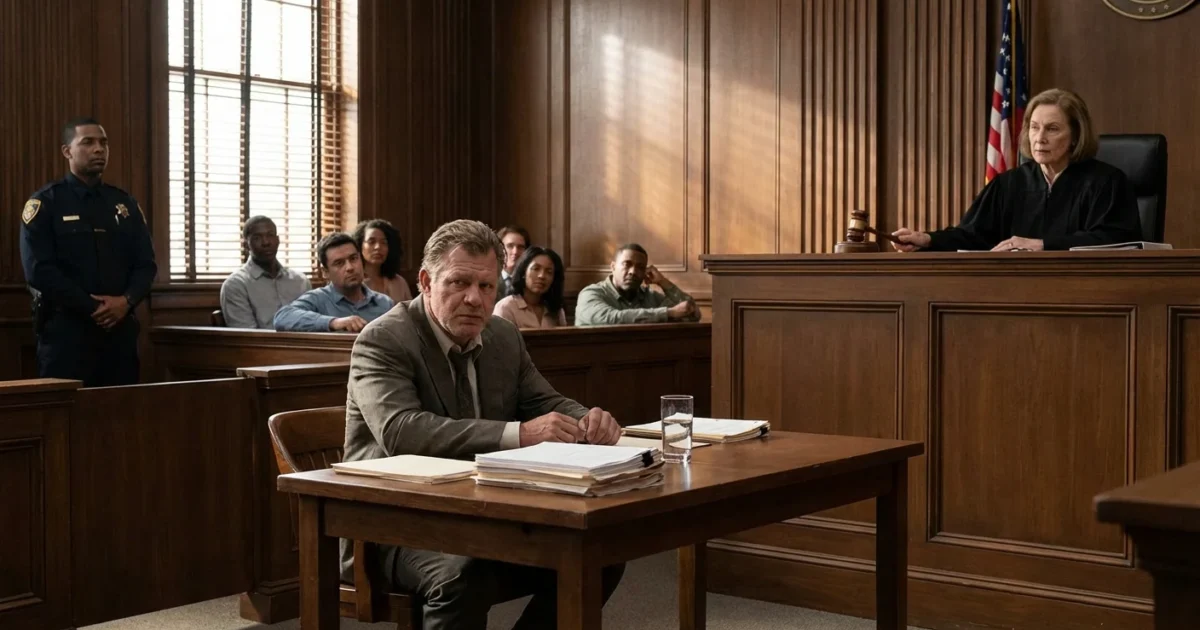
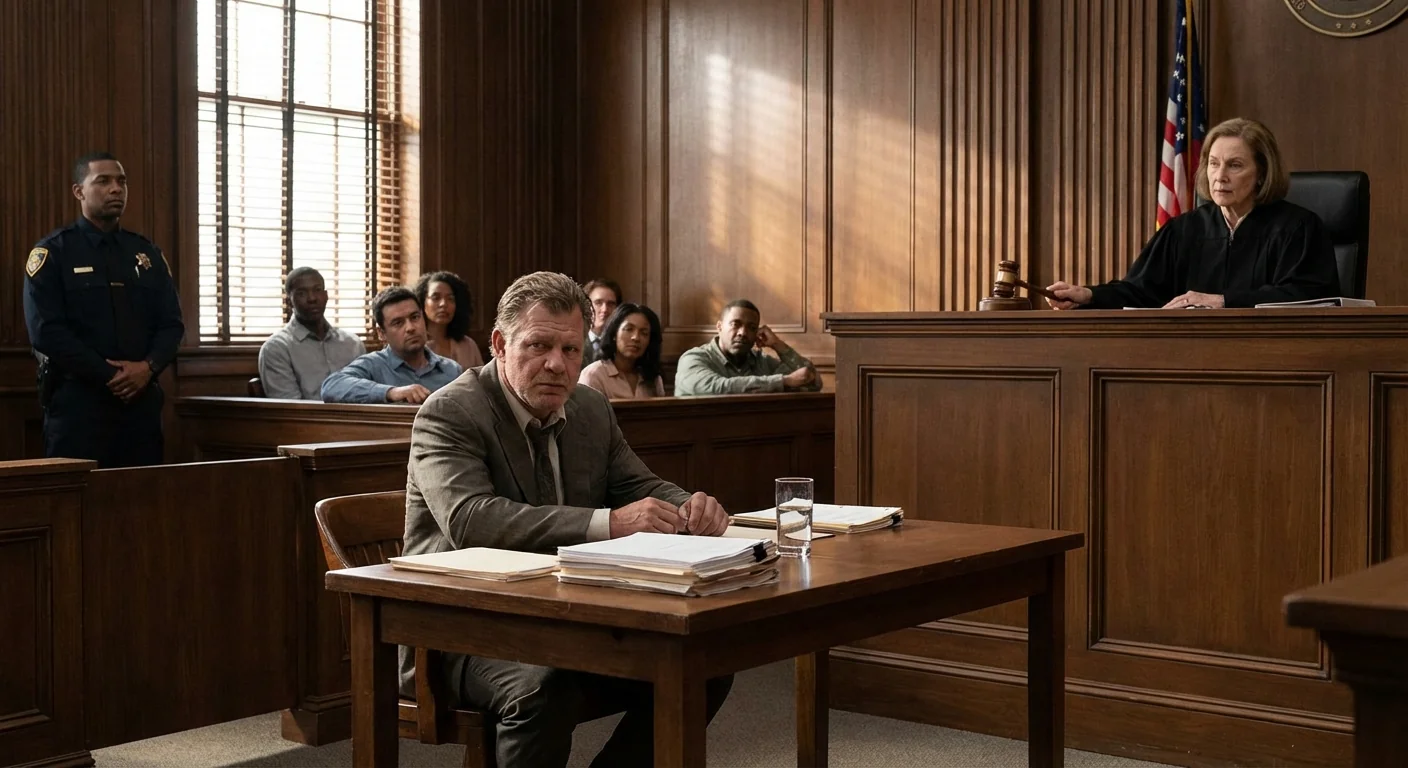
After arrest, a defendant gets a preliminary arraignment. A judge sets bail using risk, not just the charge. A preliminary hearing follows, where prosecutors must show probable cause. Defense lawyers can challenge the stop, the search, and any statements made during the encounter. If the court finds a rights violation, some or all evidence can be thrown out.
Pennsylvania also uses treatment pathways and diversion in many drug cases. Those options depend on facts, prior history, and county policy. Judges can order evaluations and consider drug courts, especially for nonviolent cases.
Outcome is shaped by three things, the stop, the search, and the substance. The law treats each step differently.
The search and seizure questions
Every traffic stop raises Fourth Amendment issues. Pennsylvania’s Constitution adds its own strong privacy guard. Police need a lawful reason to stop a vehicle. After the stop, any search must rest on consent, probable cause, or clear exceptions. Plain view works when evidence is visible. A search incident to arrest can cover limited areas. A K-9 sniff cannot prolong a stop without cause.
Pennsylvania courts have also ruled that the odor of marijuana is not enough by itself to justify a vehicle search. It can be a factor, but officers need more under the totality of the circumstances. That detail matters across the state, especially with medical marijuana in play.
If Dykstra’s defense challenges the search, the judge will ask a basic question. Did officers have the legal grounds they needed at each step. The answer can decide the whole case.
[IMAGE_2]
Know your rights during a traffic stop
Citizens should understand their options when red and blue lights flash. The rules are clear, even when the moment feels tense.
- You have the right to remain silent, beyond providing ID and basic info.
- You can refuse consent to search your car.
- You can ask if you are free to go.
- You can request a lawyer before answering questions.
If you choose to refuse a search, say it calmly and clearly. Example, I do not consent.
Police may still search without consent if they have probable cause. Do not resist. Contest it later in court through a lawyer. Courts are built to handle these disputes. Your calm conduct now protects your rights later.
The bigger policy picture
This case is not only about one man’s arrest. It presses on long running policy debates. How should states balance enforcement with treatment. How should courts treat suspected addiction compared to distribution. Pennsylvania has leaned into drug treatment courts in many counties. Those programs can reduce prison time and repeat offenses. They also require strong oversight and real accountability.
The case also highlights the afterlives of sports heroes. Fame can hide or worsen health and addiction struggles. It also adds public pressure that can distort justice. Courts must hold the line on process and rights, the same for a celebrity as for anyone else.
What happens next
Expect a preliminary arraignment and bail decision. Then a preliminary hearing, where evidence thresholds are tested. Defense counsel can file motions to suppress, focused on the stop and search. Lab results will drive charge details and plea talks. Any trial would come later, after discovery and pretrial rulings.
For now, the legal focus is simple. What did officers know, when did they know it, and what did they do next. The Constitution sets that sequence. Pennsylvania courts will enforce it.
Conclusion
Lenny Dykstra’s arrest opens a fresh test of search law, drug policy, and equal justice. The facts will sort themselves in court, not in the court of public opinion. The rights at stake are the same rights that protect every driver on every Pennsylvania road.