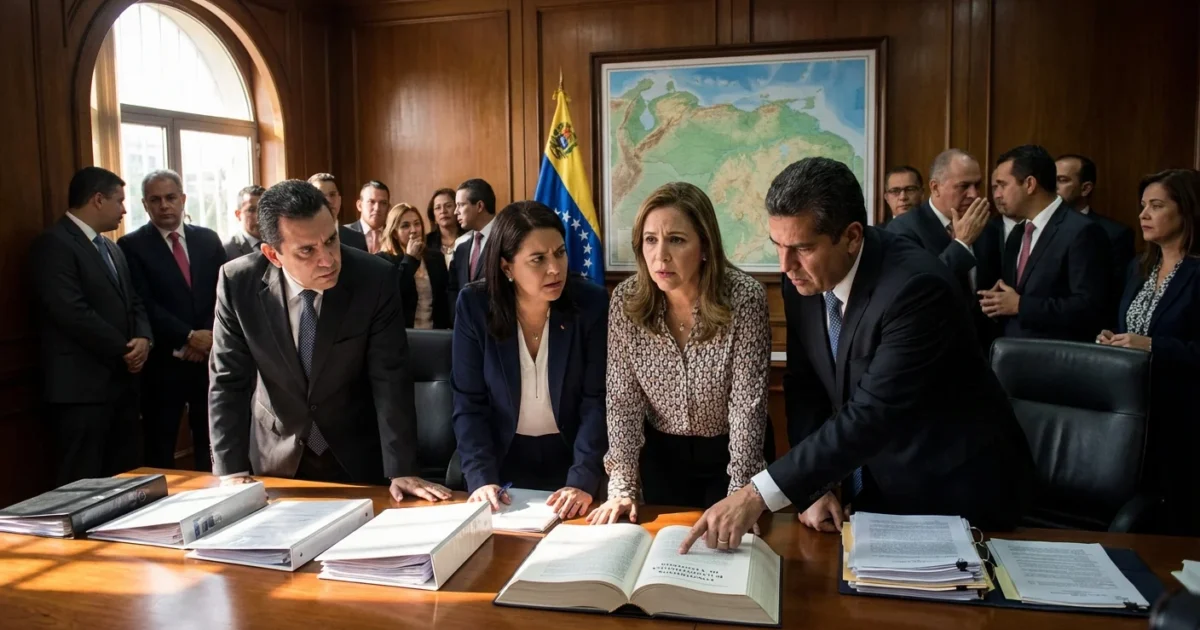
Venezuela’s question of the hour is stark. If Nicolás Maduro becomes unable to govern today, who is the acting president, and how fast would new elections happen. That is not a theory. A deadly raid that left about 75 people dead, and fresh statements in the United States, have made the succession plan an urgent civic issue. The answer sits in black and white inside Venezuela’s 1999 Constitution, and it carries real risks for citizens on the ground.
What the Constitution Says
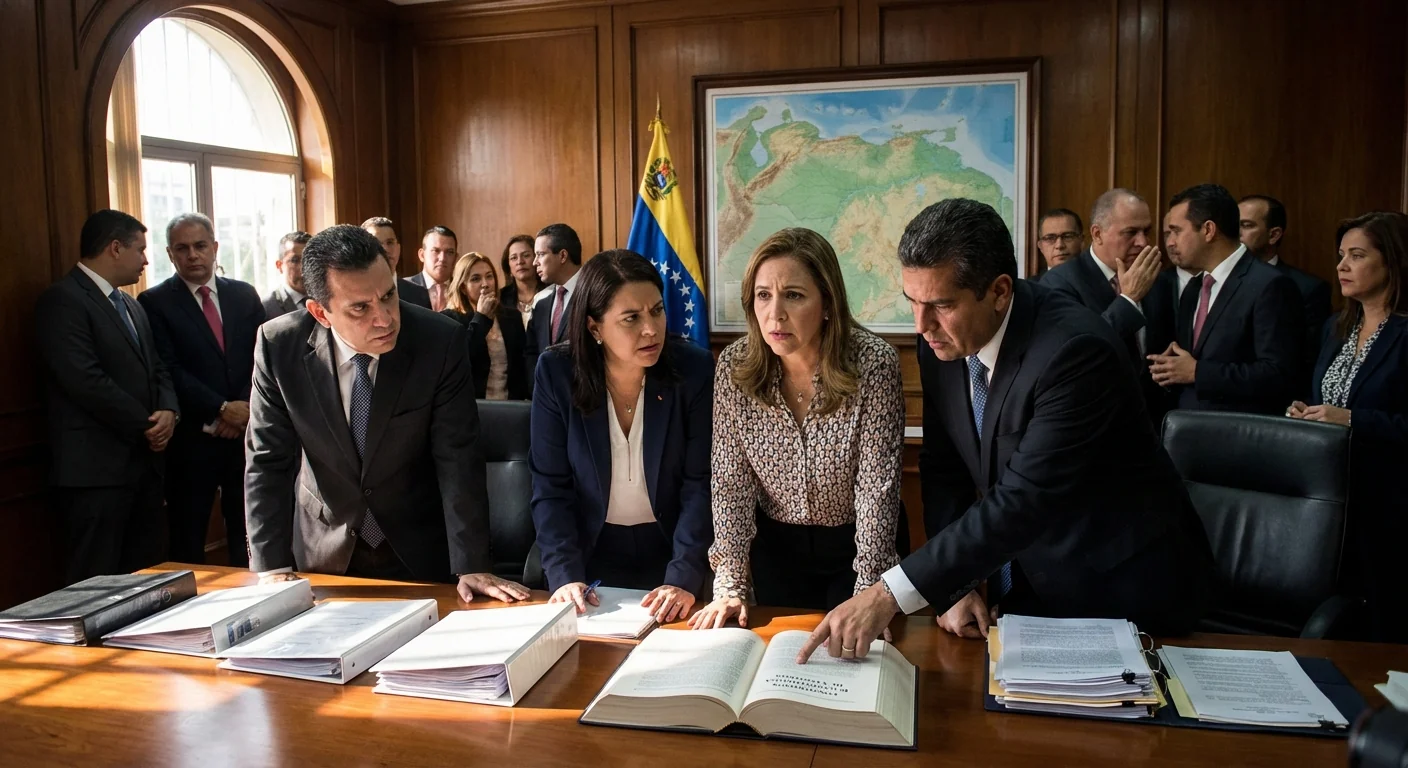
Article 233 defines an absolute absence of the president. That includes death, resignation, removal by the top court, certified permanent disability, abandonment of office, or a recall vote. The Constitution then sets a clock and a chain of command.
- If a president elect cannot take office, the President of the National Assembly becomes interim leader, and an election must be held within 30 days.
- If the president is already in office and an absolute absence occurs in the first four years, the Executive Vice President acts as president. A snap election must be called within 30 days.
- If the absolute absence happens in the final two years, the Executive Vice President finishes the term. No new election is required.
That is the legal blueprint. Everything else is politics. ⚖️
Who acts as president depends on when the absence occurs. Timing controls whether voters go back to the polls within 30 days.
If a Vacancy Hits Now
Maduro has been sworn in for the current term. If an absolute absence hits today, the Executive Vice President becomes acting president. The constitution requires a fast call for a national vote if the absence falls in the first four years. Authorities must set that election within 30 days, and the acting president manages day to day power until the winner takes office.
If the absence is in the final two years, there is no snap election. The Executive Vice President would carry the mandate through the end of the term. That scenario stabilizes the calendar, but it puts a non elected figure at the helm for a long stretch. That raises clear questions about public consent and oversight.
Politics Can Break the Script
Venezuela has lived this tension before. In 2019, opposition leader Juan Guaidó claimed the role of interim president under Article 233. Many governments recognized him, and many did not. Two different claims to executive power collided. Courts, the security forces, and the bureaucracy did not move in one direction. The constitutional text was not enough to settle who truly governed.
That history matters today. If a sudden absence opens up, the constitution points to the Executive Vice President. But real control depends on three pillars, the military and police chain of command, the top courts, and the National Assembly. If those pillars split, citizens can face double orders, unclear rules, and fast changing checkpoints.
A divided state can place rights at risk. Curfews, raids, and detentions often expand during power struggles. Document interactions with authorities and seek legal help quickly.
What It Means for Policy and Daily Life
A rapid succession will hit oil, sanctions, and public budgets at once. The acting president can issue decrees, sign contracts, and steer security policy. Foreign governments will decide recognition in real time. That affects access to overseas accounts, bond payments, and oil exports. Markets will test the acting government on fiscal restraint and contract integrity.
For citizens, the key questions are simple. Can you vote soon. Will services keep running. Will the police follow clear legal orders. Under Article 233, a snap vote is the main safety valve. If the clock starts, electoral authorities must publish a calendar fast. Ballots, observers, and result reporting must be transparent.

Your rights in a fast moving handover
- Peaceful assembly is a protected right. Know local permit rules.
- Independent media has a right to report. Filming public actions is legal unless a specific law says otherwise.
- Due process applies in searches and arrests. Ask for a warrant and the officer’s name.
- Voters have the right to non discrimination at the polls. Report any barrier immediately.
Carry copies of IDs and court orders if you have them. Save hotline numbers for legal aid and election complaints.
What Citizens Should Watch Next
Watch for three official moves. First, a formal declaration of absolute absence that cites Article 233. Second, the Executive Vice President’s public assumption of duties, with a decree and a cabinet list. Third, the electoral calendar, which must spell out dates, ballot access, and observation rules. If those steps appear, the legal path is on track. If they do not, expect parallel claims and legal challenges.
Courts may be asked to certify an absence or block decrees. The National Assembly may try to assert control of the clock. Security chiefs may issue public pledges. Each move signals whether the legal order is holding.
Conclusion
Venezuela’s constitution gives a clear answer, and a tight timeline, for an acting president. The Executive Vice President steps in after an absolute absence during the term, and voters should return to the polls within 30 days if it is in the first four years. Yet law only works when institutions follow it. In a tense moment, the fastest way to protect rights and stability is strict respect for Article 233, a rapid election calendar, and open channels for the public to be heard. Eyes on the law, and on the clock. ⏱️