KWWL: No New Cuts Today, But the Legal Stakes From January Still Matter
Eastern Iowa, take note. There is no fresh shakeup at KWWL today. The real news is legal. The January 2025 near‑elimination of local meteorologists still shapes how the station must serve you, and how you can hold it to account.
What Is Happening Right Now
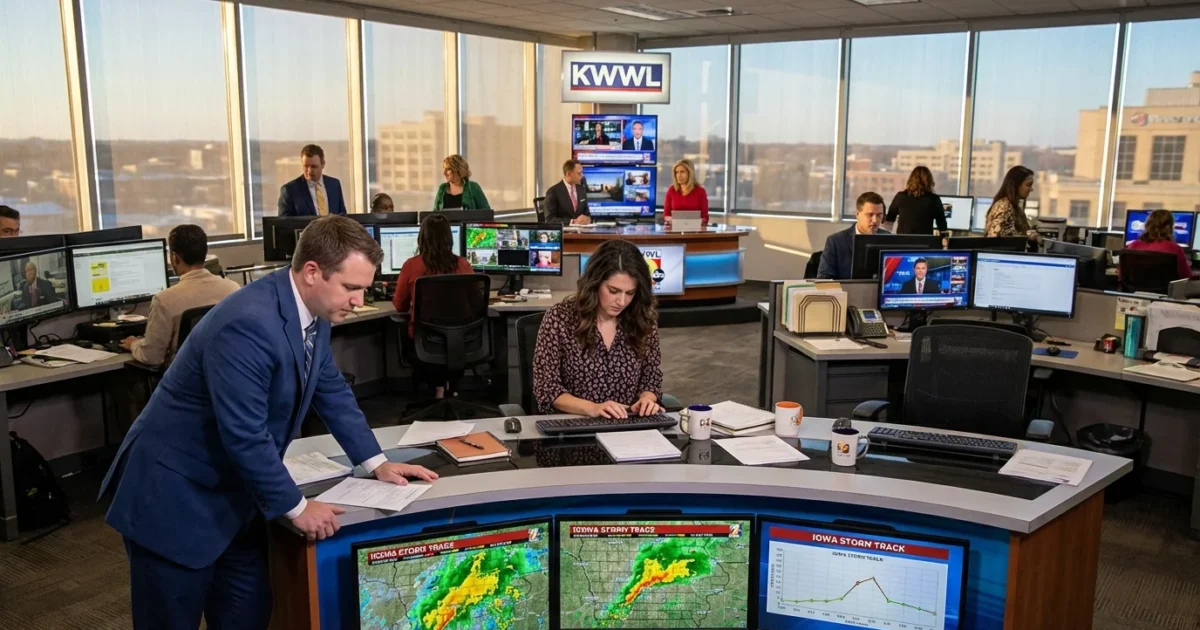
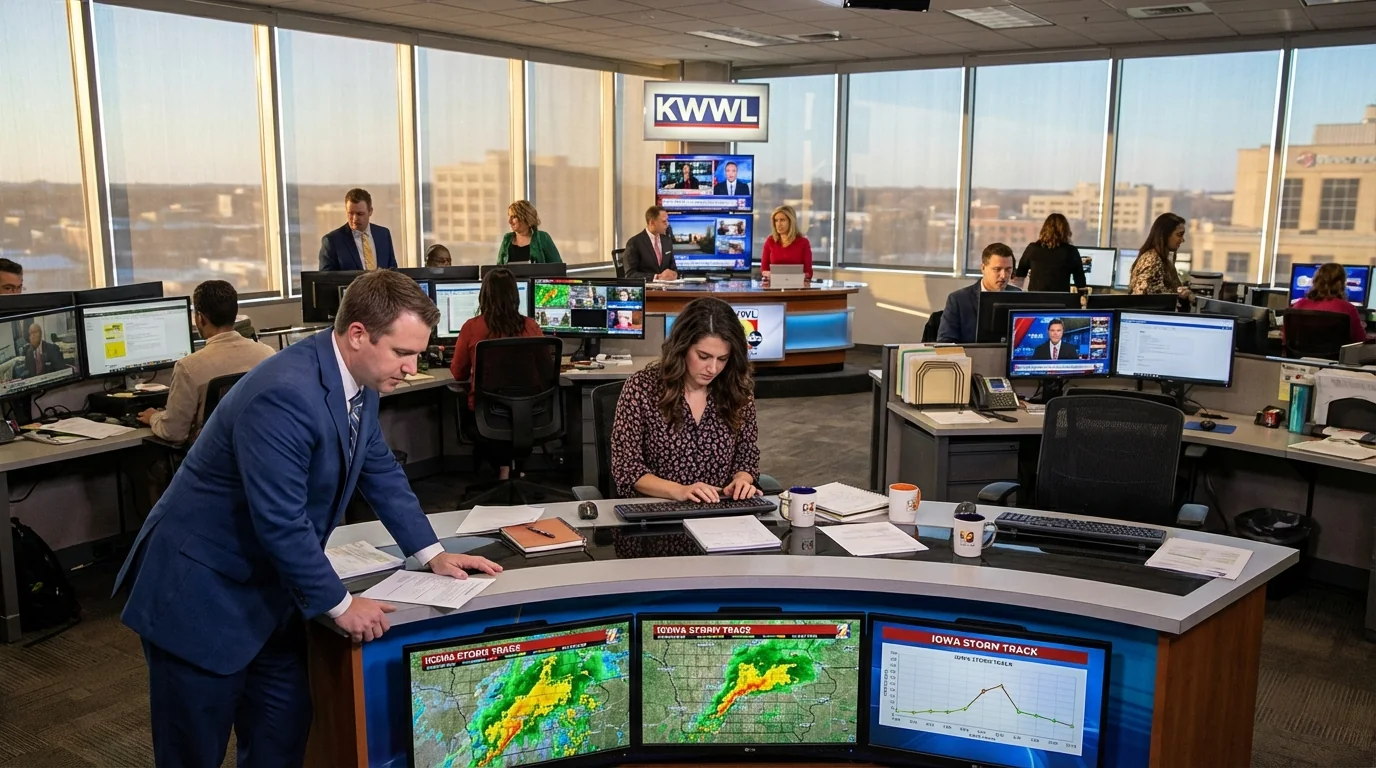
As of this morning, KWWL’s local weather operation remains in place. Weekend news continues to air in the market. There are no new policy moves announced by the station or its parent, Allen Media Group.
The public interest question continues. Who sets the standards for local weather coverage that can save lives, and how are those standards enforced?
The January Flashpoint, In Plain Terms
In January 2025, Allen Media Group announced a sweeping plan for its stations. That plan included eliminating local meteorologists at KWWL, centralizing forecasts with The Weather Channel, dropping weekend newscasts, and consolidating news production.
The reaction in Eastern Iowa was fierce. Viewers, emergency officials, and advertisers pushed back. Within about a week, management reversed most of the meteorology cuts. Some messages from the station created confusion, then were removed. The core takeaway was simple. Local weather stayed local.
That reversal does not erase the legal and civic issues the plan raised. It puts them in sharper focus.
The Law Behind Local Service
KWWL holds a federal broadcast license. That license carries a clear duty. Serve the public interest, convenience, and necessity. The Federal Communications Commission uses that standard when stations renew their licenses.
Localism is not a slogan. It is an FCC policy goal. The Commission expects stations to air programming that meets the needs of their communities. In Iowa, that includes severe weather coverage. Tornadoes, derechos, flash floods. These are life and safety events.
The Emergency Alert System adds more duty. TV stations must receive and transmit emergency alerts. Many also act as key local information sources during storms. Centralized weather can be lawful, but only if the station still meets local needs in real time. If a station cuts local capacity, and public safety suffers, expect scrutiny at license renewal, and sooner if complaints arrive.
Broadcast licenses can face formal objections. Citizens may file petitions during license renewal, or informal complaints at any time.

What Citizens Can Do, Starting Today
You have leverage. Use it with precision and respect.
- Inspect KWWL’s online public file. Look for Issues and Programs Lists that show local service.
- Send specific feedback to the station about emergency coverage needs in your county.
- File an informal complaint with the FCC if you believe public interest duties are unmet.
- Share storm impacts with county emergency managers, and ask them to brief station leadership.
When you write the FCC, give dates, times, and facts. Describe the need, the response you witnessed, and the harm or risk.
Do not confuse staffing rumors with service failures. Focus on how coverage met, or failed to meet, local needs during real events.
What January Revealed About Media Consolidation
The near‑move to centralized weather showed two truths. Corporate consolidation pressures are real. Local accountability is also real.
The law does not require a named, on‑site meteorologist at every hour. The law requires service that meets local needs. Yet, in weather emergencies, seconds matter. Eastern Iowa viewers expect maps that match their roads, and faces they trust. That trust is a safety asset, not a luxury.
City and county leaders have a role here. They cannot order content, because of the First Amendment. They can convene public safety briefings with local broadcasters. They can formalize expectations for severe weather coverage in memoranda of understanding that sit alongside EAS obligations. They can elevate community concerns, quickly and on the record.
The January reversal sends a message to every owner. Cutting core local capacity can backfire. In the courtroom of public opinion, and in the real court of license renewal.
Conclusion
No new cuts at KWWL today. The story is bigger than one schedule. January 2025 exposed the line between cost cutting and civic duty. Local weather is public safety. The law backs that principle, and so do the people who rely on it. Keep watching. Keep records. Keep the pressure on when it counts. ⚖️