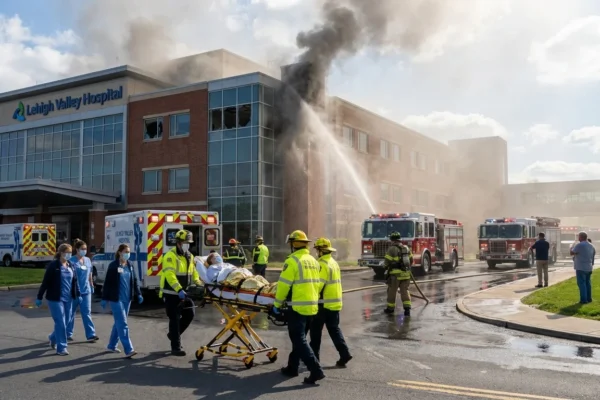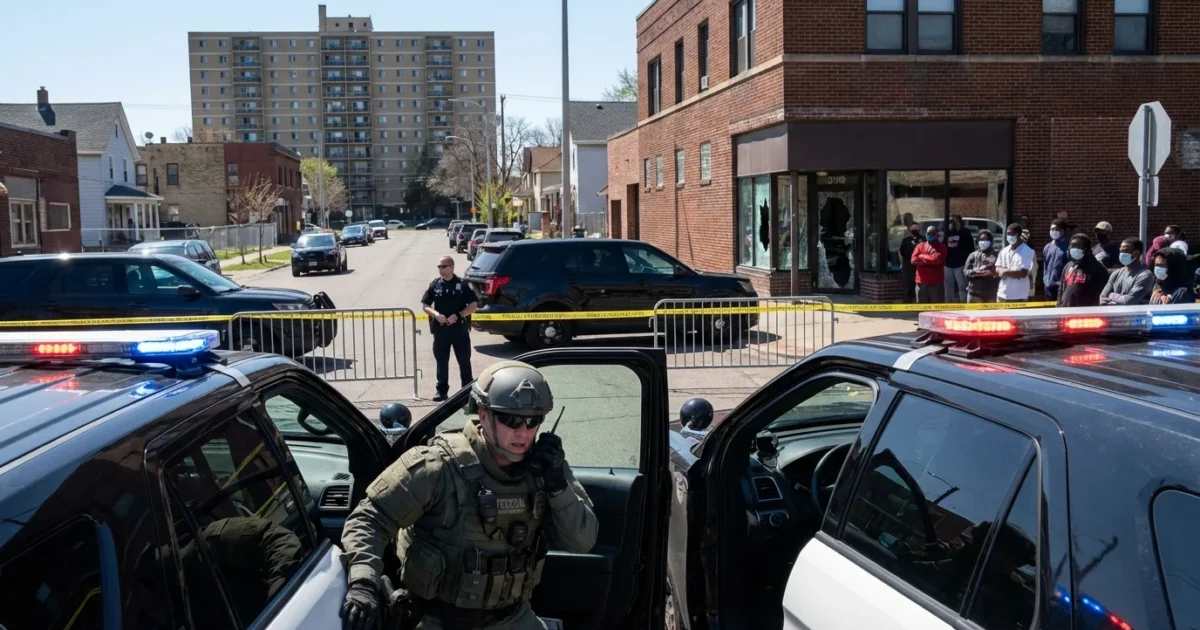
Sirens, flashing lights, and urgent questions. A federal law enforcement officer shot a civilian during an operation in south Minneapolis today, city officials confirm. The area remains active as federal teams secure nearby blocks. Investigators are now on scene. This incident raises immediate legal stakes on authority, oversight, and public transparency.
What we know right now
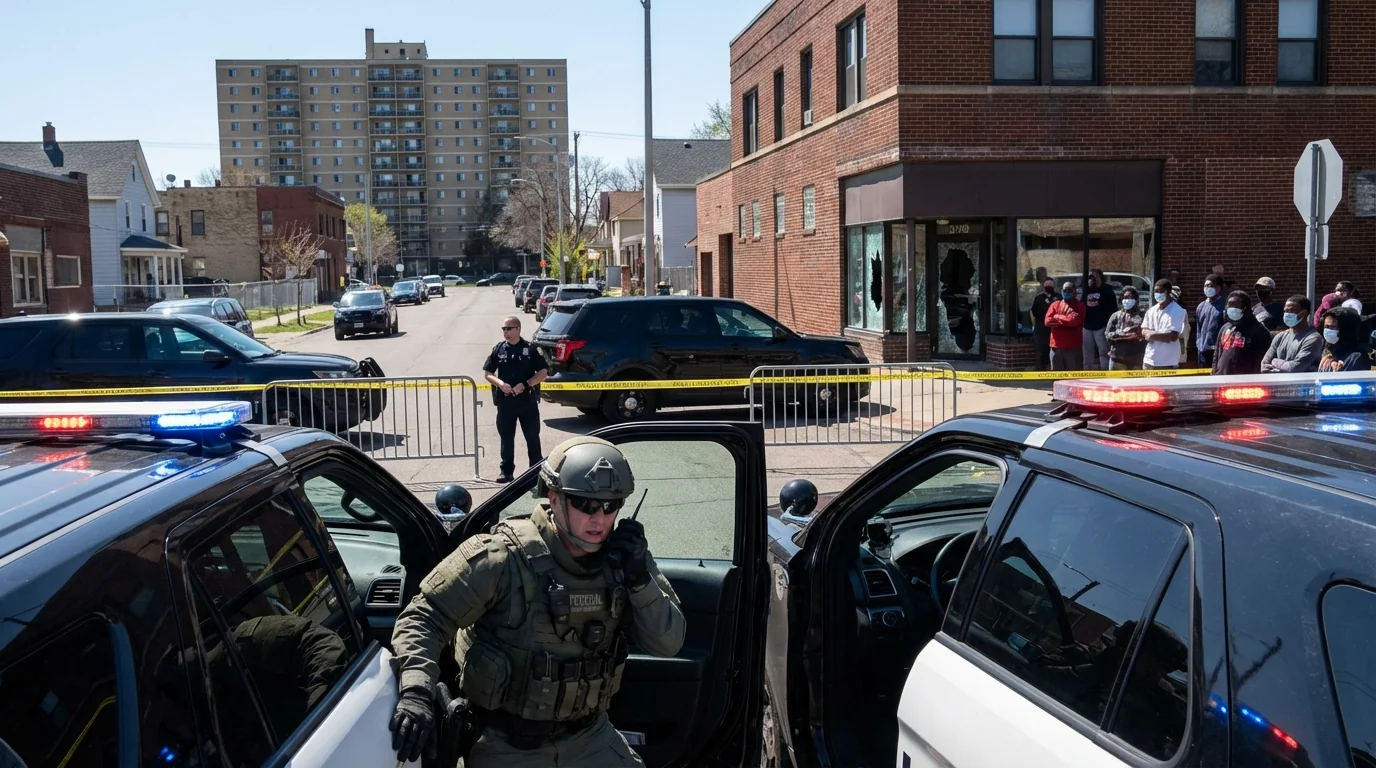
City officials confirm a civilian was shot by a federal officer during an enforcement action in south Minneapolis. The identities of everyone involved are being withheld. Officials have not released the person’s condition. The exact agency leading the operation has not been named.
Teams in federal gear are managing traffic and access while initial evidence is gathered. Local police are assisting with scene control. Officials say more details will be shared after the first round of notifications.
This is a fast-moving situation. I will update as officials confirm new information.
What we do not know
Key details remain unclear. Here is what has not been confirmed:
- What led to the use of deadly force
- Which federal agency fired the shot
- Whether body cameras were recording
- Whether a warrant was being served
- The condition of the person who was shot
Officials must release basic facts without delay. That includes the agency involved, the legal basis for the operation, and whether cameras were on.
Why federal agents were here, and the legal authority
Federal agents operate in Minneapolis under federal law. They carry out arrests, searches, and surveillance tied to federal crimes. These include firearms offenses, drug cases, trafficking, and violent crime investigations. Many actions happen through joint task forces with local officers. Those task forces are governed by written agreements that set rules, roles, and evidence sharing.
If agents were serving a warrant, a federal magistrate judge would have signed it based on probable cause. If this was a planned arrest, the Justice Department policy generally requires body cameras for FBI, DEA, ATF, and the U.S. Marshals during pre-planned arrests and searches. That policy also pushes for timely release of critical incident video, with limits for safety and privacy. Minneapolis has its own rules for local officers. Federal agents follow federal policy, which can differ.
Use of force, and what the law looks at
Deadly force is judged by the Fourth Amendment. The standard is objective reasonableness. That means investigators ask what a reasonable officer would do in the same moment, with the same facts. They will look at whether the person posed an immediate threat. They will ask if there were warnings, distance, and alternatives.
Minnesota investigators will also gather physical evidence, witness accounts, radio traffic, and any video. If a task force included local officers, their body cameras may have recorded the scene. Federal policies today allow, and in many cases require, cameras during planned operations. The public should expect a clear answer on recordings.
If there is body camera or other video, federal policy allows release after the initial investigation, subject to legal limits. Watch for a timeline within days, not months.
Who investigates, and who decides on charges
Officer-involved shootings in Minnesota are often investigated by the Bureau of Criminal Apprehension. That can include shootings by federal agents. The federal agency involved will also open an internal investigation. The U.S. Attorney’s Office will review for federal criminal issues. The Hennepin County Attorney can review potential state charges.
A federal agent can face state charges if state law was broken. There is a narrow federal immunity for agents who act lawfully under federal authority. Courts call it a Supremacy Clause defense. It does not shield unlawful force.
Civil accountability is also in play. Families can bring claims under the Federal Tort Claims Act for negligence or wrongful death, after filing a notice with the agency. Constitutional claims against individual federal officers, known as Bivens claims, are now very limited by the Supreme Court. An attorney can advise on the best route.
The first statements from any involved officers carry high legal weight. Expect silence from agencies until those interviews are complete.
Your rights at the scene, and after
You have the right to record officers in public from a safe distance. Do not interfere with medical aid or evidence collection. Keep clear of crime scene tape and follow lawful orders. If officers restrict an area, ask where you can stand and record.
If you live or work near the scene, you can request public data from the city. That includes incident numbers, call logs, and later, investigative summaries. If you were directly affected, document everything now. Save your videos in original quality. Write down names, times, and locations.
Record, back up your files, and note which agencies are present. Ask for badge numbers or visible unit markings.
What to watch in the next 72 hours
Expect an initial briefing that names the lead federal agency. Watch for confirmation on body cameras and whether a warrant was involved. Look for a clear handoff to an independent investigative team. Local leaders should set a timeline for public updates. Families and the public deserve firm dates for releasing basic facts and any available video.
Minneapolis is already under a microscope on use of force and transparency. Trust depends on fast facts, full answers, and visible independence. Tonight, the questions are sharp and simple. Who fired, why was deadly force used, and what does the evidence show. The city, and the country, need those answers quickly.