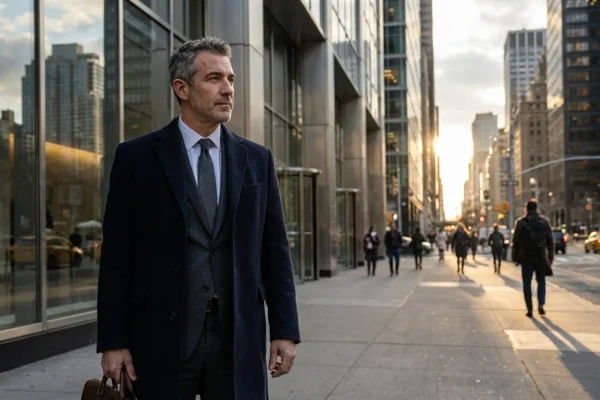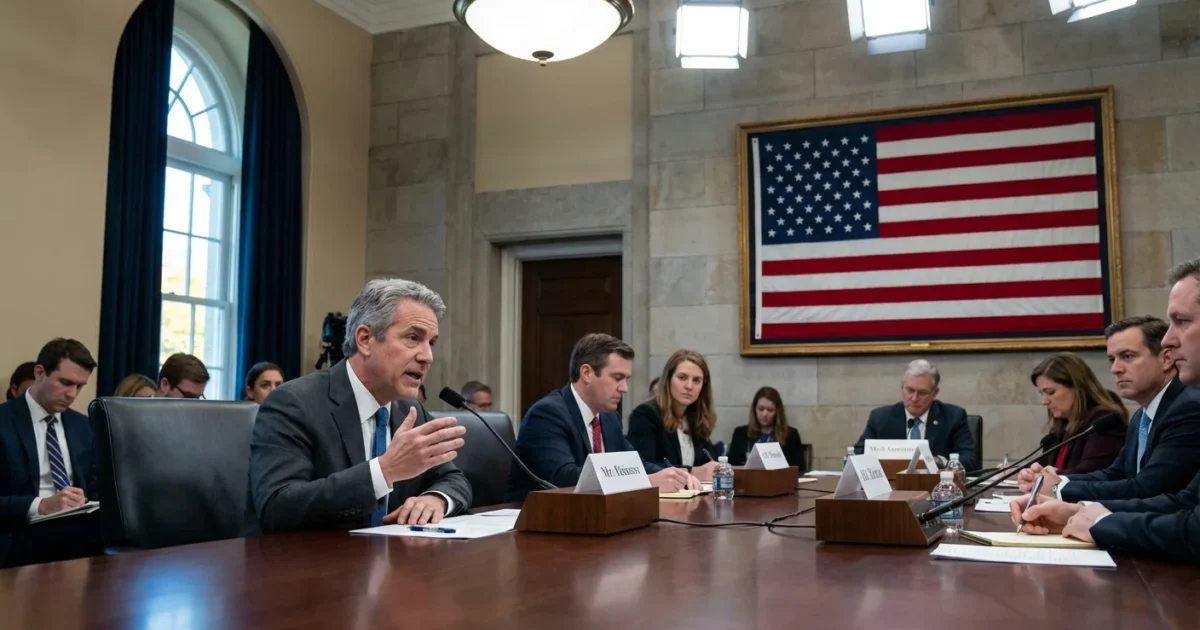
Breaking: Kevin Warsh is now a top contender to run the Federal Reserve. The choice could reset how America fights inflation, manages debt, and protects the independence of its central bank. Your mortgage, your savings, and your job prospects are all on the line. Here is what changed today, and what it means for the law, policy, and your rights.
What happened today
President Trump publicly named Kevin Warsh, a former Fed governor, as one of his preferred candidates to replace Jerome Powell as Fed Chair. Warsh served from 2006 to 2011 and was active during the 2008 crisis. Since then, he has pushed for faster interest rate cuts and a tighter working partnership between the Treasury and the Fed.
Powell’s term as Chair ends in May 2026. The White House is now moving into the decisive stage of selection. Markets and lawmakers are watching because a Warsh-led Fed could lower borrowing costs sooner, but might also reignite inflation pressures if cuts come too fast.
Why a Warsh Fed would be different
Warsh has called for what he labels a regime change at the Fed. He argues the central bank has held rates too high for too long, which he says risks growth and jobs. He also favors clearer coordination with the Treasury on debt management, similar in spirit to the historic 1951 accord that clarified each side’s role.
Compared with Powell, who has stressed patience and data, Warsh reads the economy as needing relief now. Another contender, Kevin Hassett, is also seen as pro-cuts, but Warsh brings a crisis-tested record and a sharper focus on how the Fed and Treasury should align their tools.
Faster cuts could reduce mortgage and credit card rates in the near term. That could help hiring and ease financial strains. The tradeoff is real. Quick cuts can lift demand too fast, weaken the dollar, and push prices back up.
Fed independence is not a slogan. If coordination turns into direction by the Treasury, confidence in the Fed’s judgment could crack, and inflation expectations could jump.
The legal and civic stakes
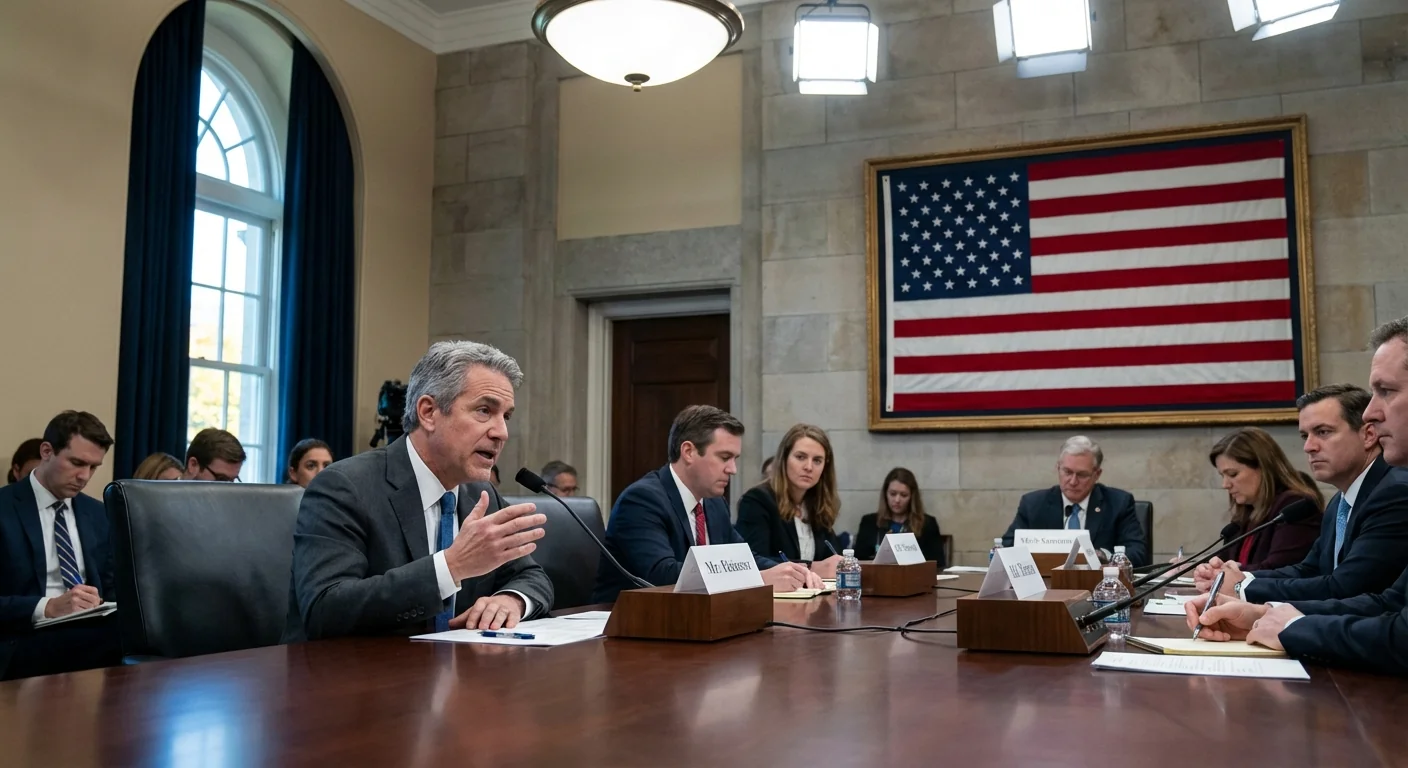
The Federal Reserve Act gives the Fed a dual mandate, price stability and maximum employment, and significant independence. The President selects the Chair, and the Senate confirms. Governors serve long terms and can be removed only for cause. The Chair’s leadership term is four years.
The 1951 Treasury–Fed Accord ended wartime rate controls and restored central bank independence. Any new coordination must respect that settlement. Treasury sells and manages federal debt. The Fed sets monetary policy for the whole economy. Blurring those lines could invite legal challenges and market backlash.
Key checkpoints that protect the process:
- Presidential nomination followed by Senate advice and consent
- Public hearings that force disclosure of views and potential conflicts
- Ethics rules on financial holdings and recusals for senior Fed officials
- Ongoing congressional oversight and reporting requirements
[IMAGE_2]
The Fed is independent inside government, not independent of it. Accountability comes through law, Senate confirmation, transparency, and regular testimony to Congress.
What it means for citizens
If Warsh is nominated and confirmed, expect a serious debate on when to cut rates and how to coordinate with Treasury. Home buyers could see lower mortgage rates sooner. Savers might see weaker returns. Businesses could find cheaper credit, which can support jobs. If inflation rises again, household budgets will feel it first.
Coordination with Treasury could change how the government issues and buys back bonds. That might lower borrowing costs for the government. If investors view it as debt financing by another name, the move could raise long-term rates instead. Credibility is the currency the Fed must protect.
Locking a mortgage or refinancing, building an emergency fund, and keeping variable-rate debt low can help you handle a fast policy shift. Small steps matter. 🙂
The road ahead
The clock runs toward May 2026. The White House will test the politics and the policy case in the coming weeks. The Senate will demand clear answers on inflation, jobs, and the boundary between the Fed and Treasury. Financial leaders have signaled interest in Warsh. The final say, however, rests with the Senate and the public scrutiny the process invites.
If Warsh is tapped, expect early signals on how he would guide rate cuts, how quickly he would move, and what coordination with Treasury would mean in practice. If those signals respect the Fed’s legal mandate and independence, markets will likely give him room. If not, volatility could be the first result.
Conclusion: Kevin Warsh is in the frame to lead the Fed, and the stakes are high. The law demands independence, the economy demands balance, and citizens deserve clarity. The next moves will set the path for rates, debt, and trust in our central bank.