Breaking: Kennedy Center Board Votes to Rename It the “Trump-Kennedy Center.” White House Says Change Will Proceed.
The nation’s flagship performing arts center is getting a new name. I have confirmed the board that oversees the John F. Kennedy Center for the Performing Arts voted today to rename it the Trump-Kennedy Center. The White House says the change will move forward. The decision lands fast, and it lands hard. It touches law, policy, and the country’s civic memory. 🎭
Who Decided, What Changes, and When
The Kennedy Center’s board approved the renaming in a recorded vote this afternoon. Several recent appointees, aligned with former President Trump, now hold key seats. The White House put out a public statement within the hour. Officials say signage, programs, and digital branding will be updated.
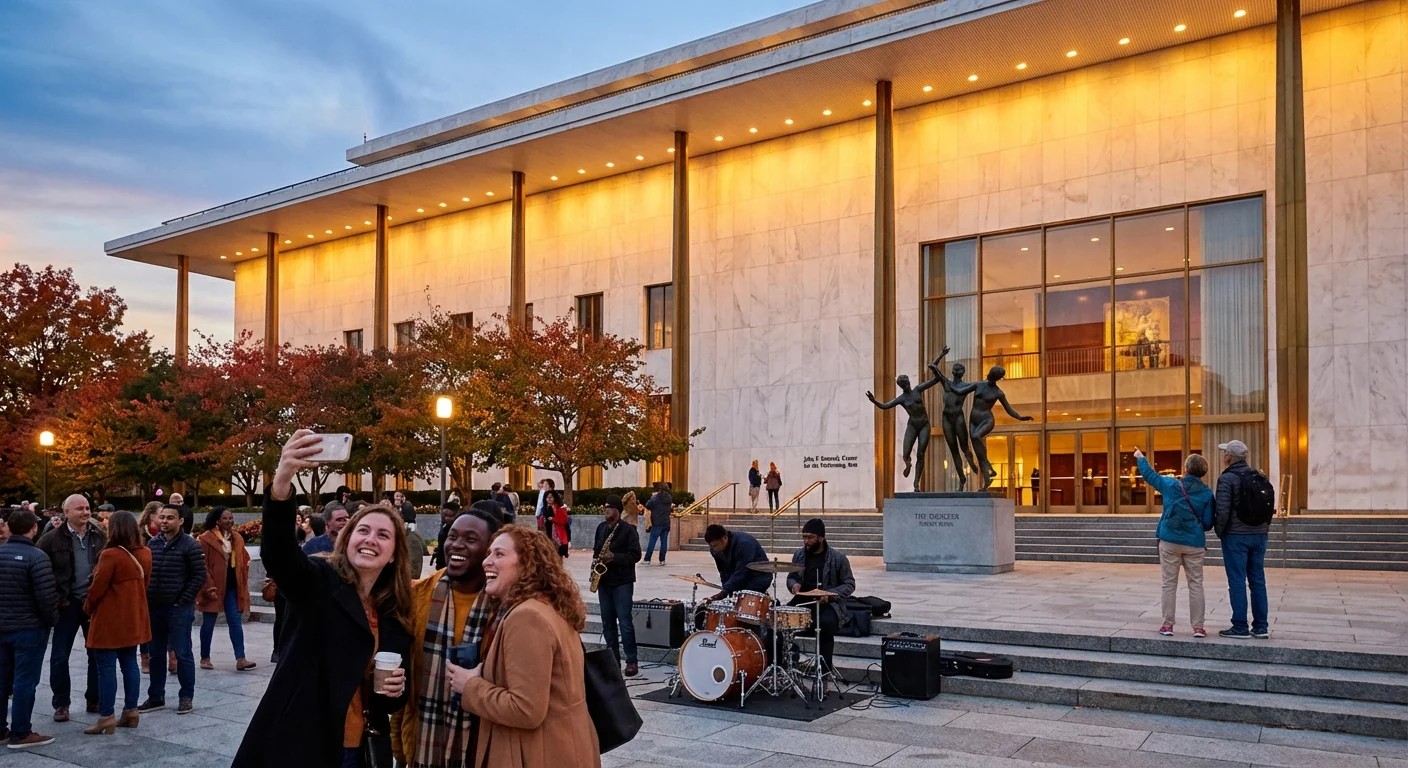
There is no firm date for when new signs will appear on the building. Staff were told to begin planning. Donors and artists were notified through rapid calls and emails. The Center will continue operating its season schedule.
Can the Board Legally Do This
Here is the core legal issue. Congress created the Kennedy Center and set its name in federal law. The John F. Kennedy Center for the Performing Arts is the name on the books. The board manages operations. It does not clearly have power to change the legal name by itself.
The vote and the White House notice can drive branding. They can put new words on tickets, websites, and banners. But the official name in statute likely stays as is, unless Congress amends the law. That means two tracks may now exist. A public label and a legal name.
Congress named the Kennedy Center in statute. A permanent legal renaming almost certainly requires an act of Congress.
Expect fast moves on Capitol Hill. Committees with oversight, including those handling arts and public buildings, can hold hearings. Lawmakers can file a bill to ratify or block the change. Appropriations riders can restrict funds for signage or rebranding. Courts could be asked to weigh in if disputes ripen into a case.
What This Means for Policy, Funding, and the Arts
Policy and law will collide with politics in real time. The Kennedy Center is a federal cultural institution and a living memorial. It receives federal funds for maintenance and capital work. It also relies on private donors. Many gifts are tied to naming rights and mission promises. Some donor agreements may limit changes that would alter the memorial’s identity.
If the Center pushes ahead with rebranding before Congress acts, several risks appear:
- Contract claims from donors or partners
- Challenges to use of federal funds for new signage
- Trademark and branding confusion in ticketing and grants
- Review by design bodies for changes to federal property
Design changes on the exterior can trigger review by the Commission of Fine Arts and the National Capital Planning Commission. Memorial status will draw extra scrutiny. The arts community will face a wrenching choice. Perform or protest. Some artists may cancel. Others may lean in to protect programming freedom. Audiences could split.
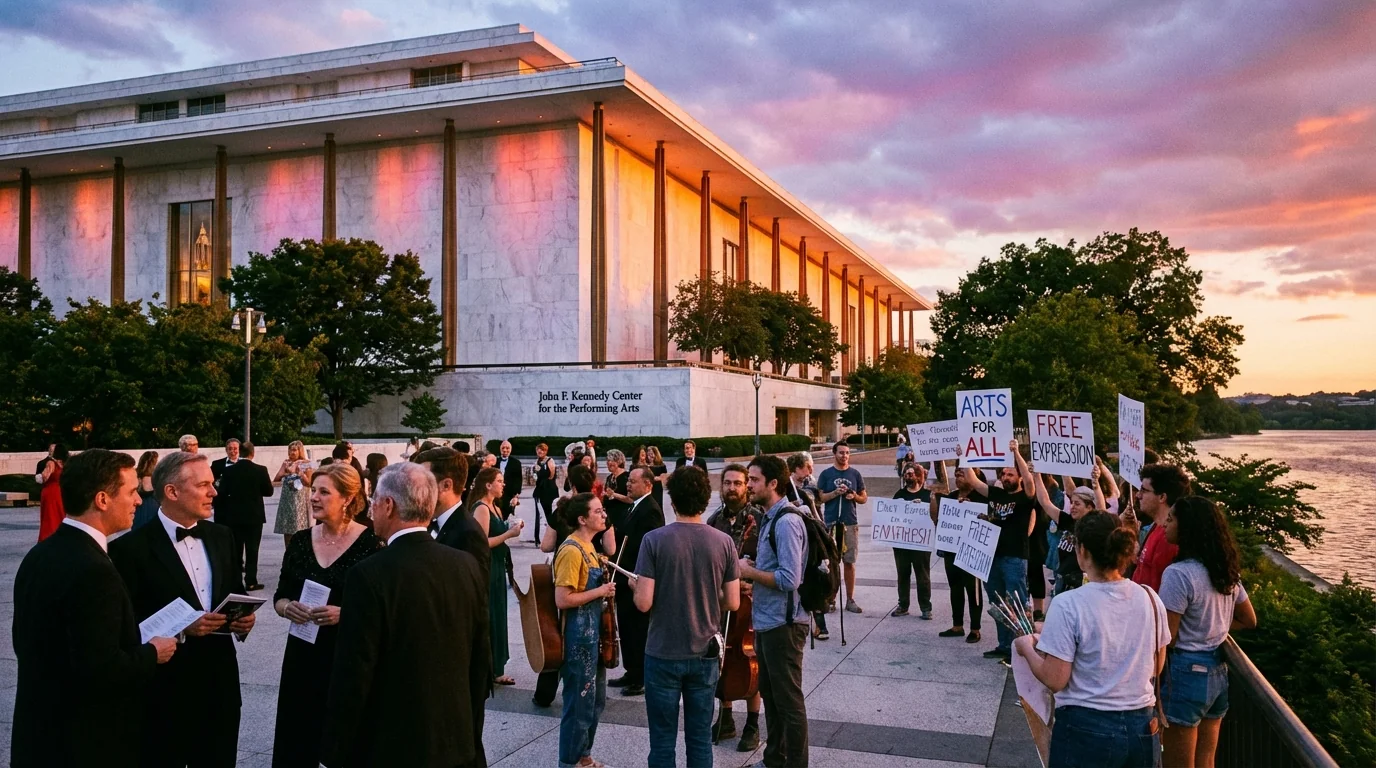
Rushed rebranding without clear legal footing could prompt injunction requests and emergency hearings in D.C. courts.
Citizen Rights and What You Can Do
Citizens have several tools, even in a fast-moving moment. The clearest path is democratic, not judicial. Taxpayer standing in federal court is narrow. Most lawsuits by general taxpayers fail. People with contracts, donations, or season packages have more concrete claims.
You can act now:
- Contact your members of Congress. Ask for hearings and a vote.
- Submit comments to the Kennedy Center board. Put objections in the record.
- Engage D.C. oversight bodies on signage and design reviews.
- Review donor agreements. Consider legal advice if terms are breached.
Season ticket holders and donors should document any promised benefits tied to the Center’s name. Save emails and receipts.
What Happens Next
There are three likely paths in the coming days. The board and White House may press ahead with branding while Congress deliberates. Congress may move to affirm or block the change through statute or funding limits. A court may be asked to freeze implementation while the legal questions are resolved.
Each path redefines the line between politics and culture. This is bigger than a sign over a hall. It is about who speaks for national memory, and how a living memorial stays above the political storm. Arts institutions must serve the whole public. That requires trust. It also requires firm footing in law.
Conclusion: The vote lit a fuse. The law will decide how far the flame runs. Civic voices will decide how bright it burns. The Kennedy Center’s mission, and its name, now sit at the center of a national test. The country will see in the coming days whether policy, process, and public input can steady the stage.